We tend to take our senses for granted, assuming they’re just there to help us see, hear, smell, taste, and touch the world around us.

However, they do far more than that. Every sound, scent, texture, and flavour shapes the way we think, feel, and behave, often in ways we don’t even notice.
The smell of coffee can lift your mood before you’ve had a sip. The sound of rain might help you focus. Even the temperature of a room can change how generous or irritable you feel. Our senses are constantly influencing decisions, emotions, and memories, quietly steering how we experience life. Understanding how that works can help you make small changes that improve your wellbeing, productivity, and relationships in ways that might surprise you.
Colour affects your appetite.

You know how fast food restaurants often use red and yellow in their branding? That’s no accident. Research has found that certain colours can actually stimulate your appetite and make you want to eat more. Red is known to increase heart rate and blood pressure, while yellow is associated with happiness and energy. On the flip side, colours like blue and purple are thought to suppress appetite. So, the next time you’re trying to eat healthier, try using blue plates or tablecloths.
Smells can trigger memories.
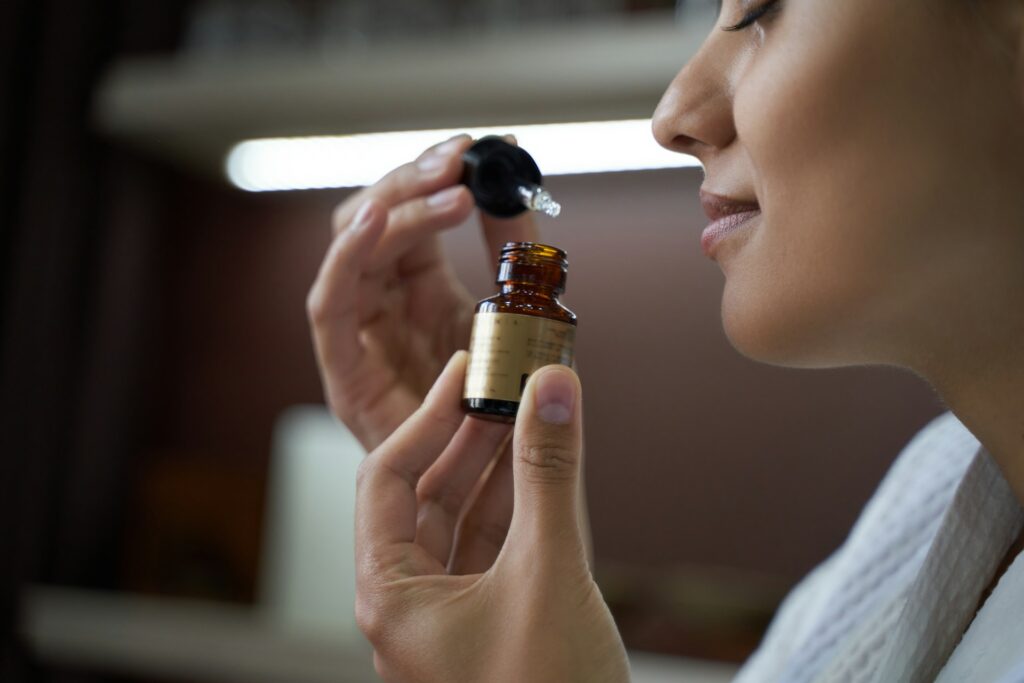
Ever catch a whiff of something and suddenly find yourself transported back to a specific moment or place in your life? That’s because your sense of smell is closely linked to your memory and emotions. In fact, studies have shown that certain scents can evoke powerful memories and feelings, even if you can’t quite put your finger on why. So, if you want to create a more positive and productive environment, try using scents like lemon or peppermint to boost your mood and focus.
Touch can influence your decisions.

You might not realise it, but your sense of touch can actually influence your decision-making process. Research suggests that people are more likely to buy products that they can physically touch and hold, even if they don’t necessarily need them. And when it comes to interpersonal interactions, a firm handshake or a gentle touch on the arm can make you seem more trustworthy and persuasive. So, the next time you’re trying to make a sale or win someone over, don’t underestimate the power of touch.
Sound can affect your productivity.
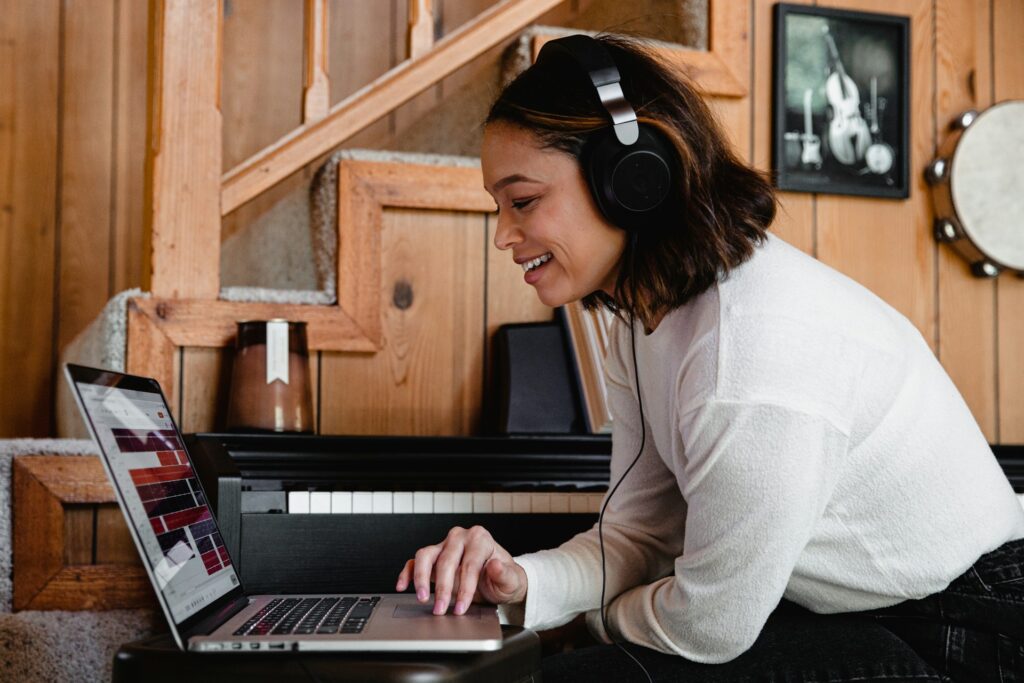
If you’ve ever tried to work in a noisy environment, you know how distracting it can be. But did you know that certain types of sound can actually boost your productivity? Studies have shown that listening to natural sounds like waves or rainfall can improve focus and concentration, while white noise can help mask distracting background sounds. On the other hand, music with lyrics can be disruptive and make it harder to focus. So, if you want to get more done, try experimenting with different types of sound to find what works best for you.
Taste can change the way you see people.

Believe it or not, your sense of taste can actually influence how you perceive other people. Studies have shown that people who eat sweet foods are more likely to view other people as kind and helpful, while those who eat bitter foods are more likely to see people as untrustworthy or hostile. And when it comes to romantic relationships, sharing a meal can actually make you feel more connected and attracted to your partner. So, if you want to make a good impression or strengthen your bond with someone, consider sharing a delicious meal together.
Sight can influence your emotions.

Your sense of sight is constantly sending signals to your brain that can affect your mood and emotions. For example, looking at nature scenes or artwork can reduce stress and improve your overall sense of well-being. On the other hand, cluttered or disorganised spaces can make you feel anxious or overwhelmed. And when it comes to colour, different hues can evoke different emotions. Red is associated with passion and excitement, while blue is calming and soothing. So, if you want to create a more positive and uplifting environment, try surrounding yourself with colours and images that make you feel good.
Smell can affect your stress levels.

Your sense of smell is closely linked to your limbic system, which is responsible for regulating your emotions and stress response. That means that certain scents can actually help you feel more relaxed and calm. For example, lavender is known for its soothing properties and can help reduce anxiety and promote better sleep. And studies have shown that the scent of vanilla can actually lower heart rate and blood pressure. So, if you’re feeling stressed out, try lighting a scented candle or diffusing essential oils to help you unwind.
Touch can boost your immune system.

Believe it or not, your sense of touch can actually help strengthen your immune system. Research has discovered that physical contact, like hugging or holding hands, can increase the production of white blood cells and antibodies that help fight off infection. And massage therapy has been shown to reduce inflammation and improve immune function. So, if you want to stay healthy and avoid getting sick, don’t be afraid to show some physical affection to your loved ones.
Sound can influence your buying habits.

Retailers have long known that music can influence customer behaviour, but did you know that the type of music played can actually affect what you buy? Swedish researcher Pernille Andersson did a study on the relationship between music and spending habits, and the results were fascinating. He found that classical music can make people spend more money, while fast-paced music can make them move through a store more quickly. And when it comes to restaurants, slower music can make people linger longer and order more drinks. So, the next time you’re out shopping or dining, pay attention to the music being played. It might be influencing your choices more than you realise.
Sight can affect your appetite.
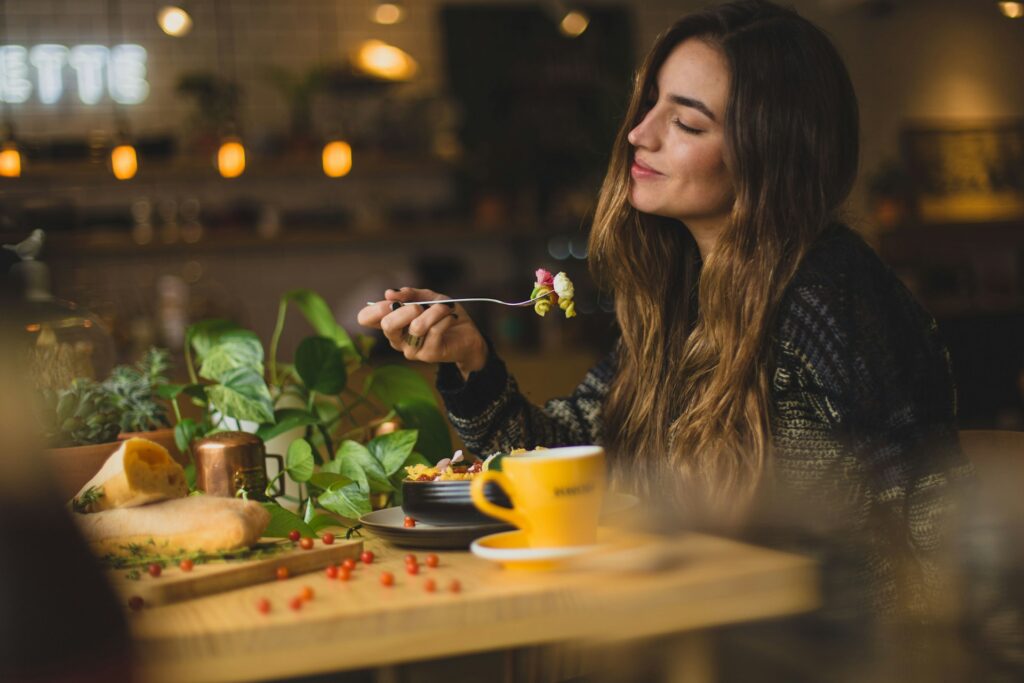
Just like colour can influence your appetite, so can the appearance of your food. Studies have shown that people are more likely to enjoy a meal if it looks visually appealing, with a variety of colours and textures. And when it comes to portion sizes, larger plates can actually make you eat more than you need to. So, if you want to eat healthier and control your portions, try using smaller plates and bowls, and make sure your meals are visually appealing and varied.