Living alone definitely has its perks, for sure: peace, privacy, and the freedom to live entirely on your own terms, for starters.

You can cook what you like, keep things exactly how you want them, and never have to compromise on what’s on TV. It’s quiet, calm, and often feels like the ultimate luxury. But beneath that independence, there are a few things people don’t talk about enough.
When you live alone, you become your own safety net. There’s no one to double-check the back door, notice when you’re unwell, or talk things through when you’re having a rough day. That sense of self-reliance is empowering, but it can also come with blind spots. From emotional dips to practical risks, solo living has its hidden dangers, and being aware of them can make all the difference in keeping both your head and your home in good shape.
1. Loneliness and isolation can have a hidden toll on your mental and physical health.
Human beings need connection, even in small doses. When those daily moments of casual conversation disappear, such as chatting to someone over dinner or hearing another voice in the house, loneliness can creep in silently. Sadly, chronic isolation isn’t just an emotional strain; it’s linked to higher risks of depression, anxiety, and even heart disease. You might feel fine at first, but the effects can build slowly until you start feeling detached, low in energy, or oddly disconnected from the world around you.
2. Not having someone to check in on you can increase the risks of accidents or medical emergencies.
Living alone means you’re your own first responder. If you fall, burn yourself cooking, or get suddenly unwell, there’s no one there to notice straight away. It sounds grim, but even small things like slipping in the shower or fainting unexpectedly can become major problems when there’s no one nearby. Setting up regular check-ins with friends or neighbours, or using tech like medical alert devices, can genuinely make a life-or-death difference.
3. You might neglect your own self-care without realising it.

When there’s no one around to notice you’ve skipped meals or stayed up until 3 a.m. again, small habits can slide fast. Maybe you stop cooking proper meals, let the flat get a bit too messy, or spend the weekend in pyjamas because there’s no reason to change. It’s not you being lazy; it’s just easier to let things slide when nobody’s around to see. However, in the long run, that lack of structure eats away at motivation, energy, and even how you feel about yourself.
4. Falling prey to scams is a real risk, especially for older adults.
When you live alone, you don’t have someone to say, “That email looks dodgy,” or “That’s definitely a scam call.” Scammers know that isolation makes people easier targets, particularly those craving a bit of human contact. It’s not just financial scams, either; emotional ones, like fake romantic interests or “friendly” neighbours asking for money, can slip under the radar. Having a person you trust to double-check suspicious things can save you a lot of heartache and cash.
5. It’s easy to lose motivation and let household chores pile up.

When you’re the only one seeing the mess, it’s tempting to leave it for later. A few dishes turn into a sink full, and before you know it, the flat feels cluttered and heavy. That kind of environment quietly affects your mood and productivity. Mess attracts more mess, and soon it feels too overwhelming to tackle. Staying on top of chores might sound minor, but a clean, organised space makes a huge difference in keeping your head clear and your energy up.
6. Falling into a negativity spiral is easier when you’re alone.
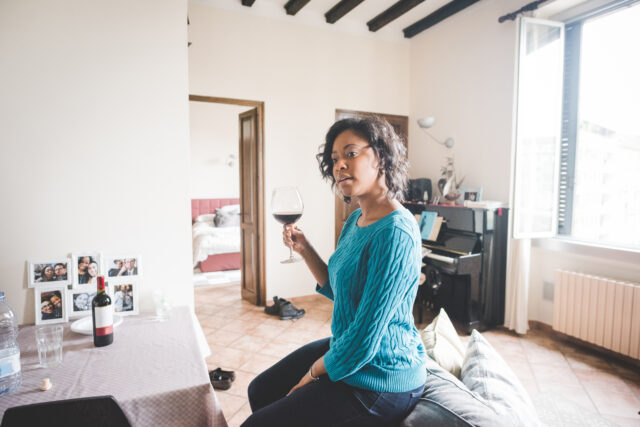
Without someone to put things in perspective, small frustrations can spiral into something much heavier. A bad day at work or an awkward social moment can loop in your mind for hours because there’s no one to talk it out with. When you’re on your own, it’s easy to let those thoughts turn darker, and before long, you start believing your own inner critic. Having someone to laugh, vent, or just be silent with breaks that loop before it traps you.
7. Decision fatigue can set in, making even simple choices overwhelming.
Every decision, from what to eat to whether you should go out, rests entirely on you. At first, the freedom feels amazing, but after a while, it gets exhausting. When you’re constantly making micro-decisions without any input or shared responsibility, your brain starts to tire. That’s when you end up defaulting to the same takeaway, the same show, the same routine. Decision fatigue doesn’t just drain you; it can dull your sense of curiosity and spontaneity too.
8. Losing track of time is surprisingly common for solo dwellers.

When there’s no shared schedule or someone else’s rhythm to ground you, time can slip away fast. Late nights turn into late mornings, weekends blur into weekdays, and suddenly, you realise you’ve not been outside for three days. That lack of structure can mess with your sleep, your focus, and even your sense of purpose. Building small anchors like a morning walk or regular social plans keeps your days feeling distinct and balanced.
9. A lack of accountability can sabotage your goals.
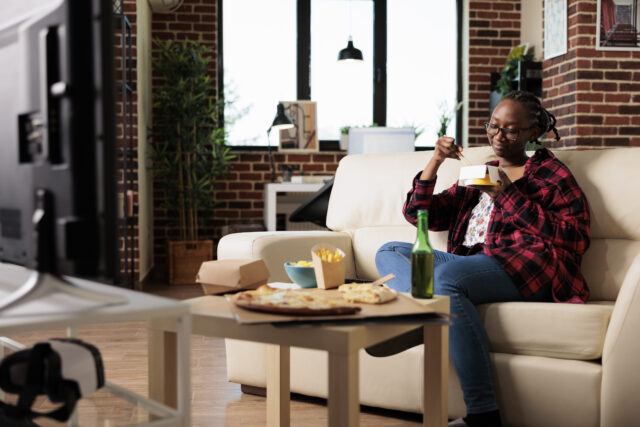
It’s hard to stay disciplined when there’s no one watching. If you’ve ever promised yourself an early workout or to start that side project, you’ll know how easy it is to skip it when nobody else will know. Accountability partners, group classes, or even posting progress online can give you that external nudge that keeps momentum alive. You don’t need someone living with you to stay on track; just a bit of structure and support.
10. Feeling unheard can create an emotional burden.
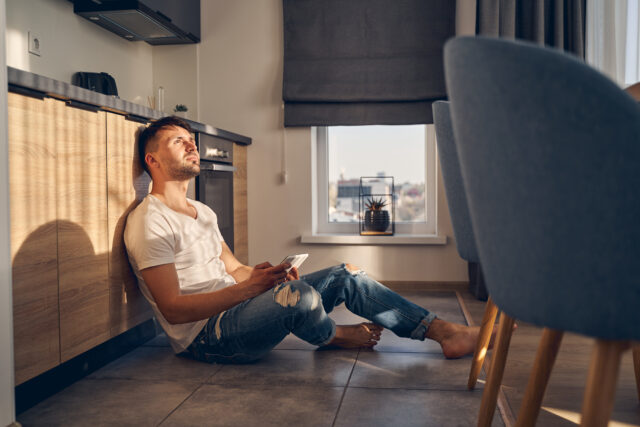
We all need to feel heard. Even if you enjoy peace and quiet, there’s comfort in being able to say, “You won’t believe what happened today,” and have someone genuinely listen. When you live alone, that outlet disappears unless you make the effort to find it elsewhere. As time goes on, keeping everything bottled up can leave you feeling invisible. Talking regularly, even casually, helps release pressure you might not realise is building.
11. Boredom can lead to unhealthy coping mechanisms.

When you’re bored and restless, bad habits creep in. Maybe you pour another glass of wine, scroll endlessly through social media, or buy things you don’t need just for the dopamine hit. Without realising, those little coping mechanisms become routines. Finding healthier ways to fill time, such as reading, exercising, cooking, or seeing friends, makes solo living feel enriching instead of numbing.
12. Self-esteem can take a hit when you’re constantly comparing yourself to an idealised image of social life.

It’s hard not to feel left out when every scroll shows people laughing in groups or coupled up on weekend trips. Living alone can make that sense of difference sharper. You might start wondering if something’s wrong with your life because it looks quieter than everyone else’s. The truth is, most people exaggerate their social happiness online. Learning to enjoy solitude without comparing it to curated perfection is one of the healthiest things you can do.
13. You miss out on the division of labour that comes with shared living.
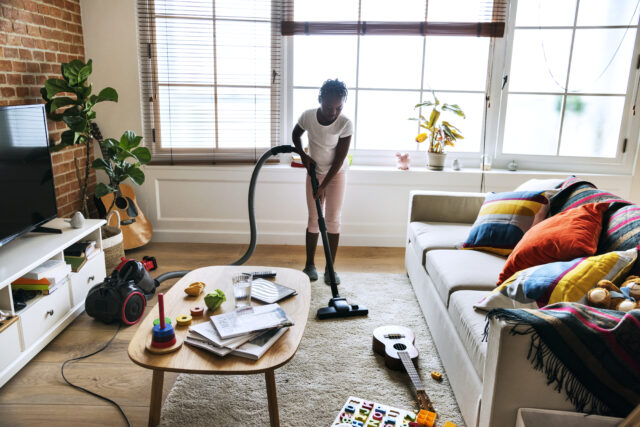
There’s nobody to share the load when the bin’s full, the flat needs hoovering, or the washing pile starts creeping across the floor. Doing everything yourself can feel empowering… until it becomes draining. That constant mental list of chores eats into your downtime. Getting into small routines, like doing 10-minute clean-ups or scheduling errands, stops you from feeling like life is one long to-do list.
14. You might become overly risk-averse and miss out on opportunities.
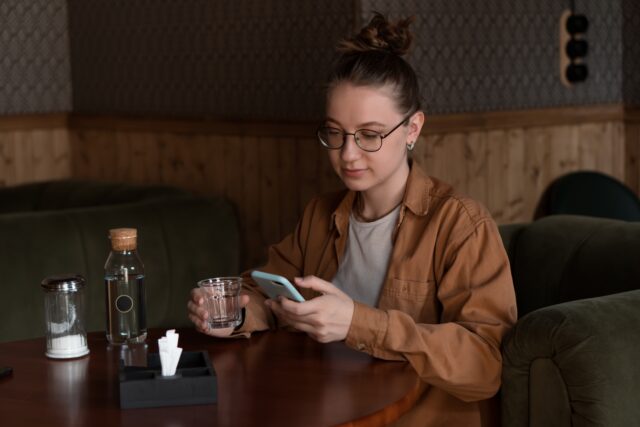
Without someone to bounce ideas off, your cautious side can take over. You might overthink a new job, talk yourself out of dating, or pass up social invitations because it just feels easier to stay home. Independence is great, but it can quietly shrink your comfort zone if you’re not careful. The key is to push yourself gently, so say yes to small things first, then work your way up. It’s how you keep your world wide instead of small.