There are some topics that just seem to circle around every time a boomer brings up “how things used to be.”

And while the rest of the world has largely shrugged and adjusted, certain complaints keep popping up like clockwork from people born roughly between 1946 and 1964. Whether it’s about work, technology, or how young people behave these days, here are the things boomers keep grumbling about, while everyone else has already moved on ages ago. It might be time for them to follow suit.
People not answering the phone

To boomers, not picking up when someone calls is borderline rude. However, for most people under 50, an unexpected phone call feels more like an ambush. Texts, voice notes, and emails have taken over, and that’s not changing. It’s not that people don’t want to talk—it’s that most of us prefer to do it on our own time. The urgency of the ringing phone just doesn’t hold the same weight it once did.
Job hopping

Many boomers still believe staying in one job for decades is the gold standard of professionalism. But younger generations are navigating a completely different landscape—one where loyalty doesn’t guarantee security. Switching jobs is now seen as a smart career move, not a red flag. It’s often the only real way to get a raise, learn new skills, or avoid burnout. The old “stick it out no matter what” mindset just doesn’t apply anymore.
Tattoos and piercings

What was once considered rebellious or “unprofessional” is now completely mainstream. You’ll find full sleeves on doctors, nose rings in corporate offices, and no one really bats an eye, except maybe your dad’s mate Alan. For boomers, body art still carries the weight of a statement. For everyone else, it’s just Tuesday. Judging people for tattoos in 2025 feels about as current as complaining about someone’s cassette tape collection.
People working from home

There’s a lingering belief that if you’re not physically in an office, you’re not really working. However, after a few years of remote setups and hybrid roles, most people have proven that’s simply not true. The obsession with butts-in-seats productivity has faded for everyone except those still holding onto the old-school 9-to-5 model. Remote work isn’t a phase—it’s just how a lot of jobs work now.
Young people being on their phones

“They’re always staring at a screen” is the go-to line, but let’s be honest, we all are. Smartphones are where we work, shop, read, date, and catch up with friends. It’s not about addiction, it’s just modern life. Most people have accepted that phone time doesn’t automatically equal rudeness or disengagement. Boomers might still judge it, but the rest of us are just trying to reply to a Slack message while queuing at Tesco.
Gender-neutral language
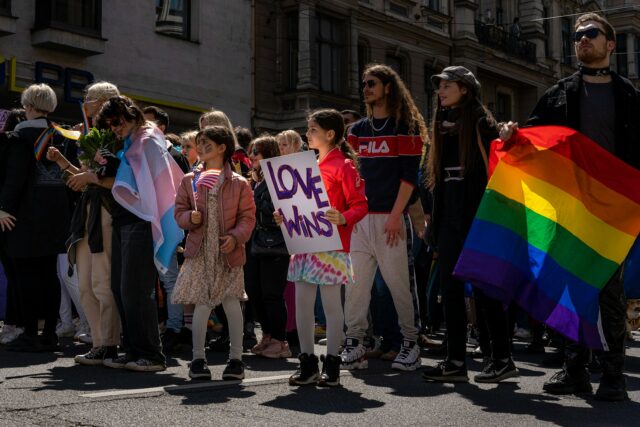
For some boomers, the rise of “they/them” pronouns and inclusive language feels confusing or overly complicated. But for younger generations, it’s just respectful, normal, and not that hard to adapt to. The idea that respecting someone’s identity is a political statement has faded. It’s just good manners now. Most people aren’t debating it—they’re already doing it without fuss.
Dating apps
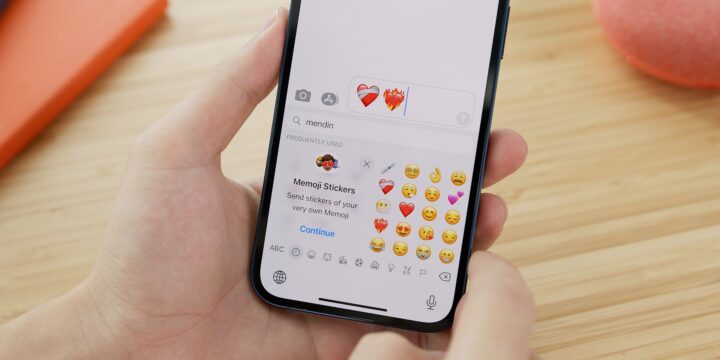
To many boomers, meeting someone online still feels strange or somehow less authentic than “the good old days” of bumping into each other at the pub. The thing is, online dating is now the norm, not the exception. It’s no longer taboo or cringeworthy to say you met on Hinge. In fact, it’s probably how half the couples you know got together. Complaining about apps today feels like complaining about microwaves in the ‘80s.
The price of coffee

Yes, coffee is more expensive now, but so is literally everything else. Holding on to the memory of 50p flat whites doesn’t change the fact that rent, wages, and inflation have all changed massively. Most people accept that paying £3 for a decent cup is part of city life. It’s not a sign of frivolous spending—it’s just 2025. And sometimes, you need the caffeine without the lecture.
People “oversharing” online

Posting about your mental health, your break-up, or your therapy journey might seem like attention-seeking to some Boomers. But for a lot of people, it’s connection, catharsis, and community. The stigma around vulnerability is shrinking, not growing. What boomers often label as oversharing is usually just someone being honest in a space where they feel safe enough to do it.
Not owning a house yet

The dream of buying a home in your 20s is long gone for most people. Skyrocketing prices, stagnant wages, and absurd deposit requirements have made it nearly impossible unless you’ve got help or serious luck. Still, boomers keep asking, “When are you going to settle down?” as if it’s just a matter of saving a little harder. Everyone else has realised it’s more complex than that, and they’re tired of pretending it’s a personal failure.
Working multiple jobs

Side hustles, freelancing, or juggling three gigs at once isn’t about being greedy—it’s often just how people survive now. Boomers might see it as “lack of focus,” but it’s usually about chasing security, not cash. Today’s economy isn’t built for a one-job-fits-all lifestyle. Younger generations have adapted to that reality, while boomers still reminisce about lifelong pensions and gold watches at retirement.
People not dressing “properly” anymore

The expectation that people should dress up for flights, shopping trips, or even work has softened massively. Comfort now often wins out over formality, and that’s not laziness—it’s practicality. Complaints about ripped jeans, visible tattoos, or casual trainers just don’t hold weight anymore. The world isn’t dressing down—it’s just stopped performing for the outdated idea of respectability.
People setting boundaries

Whether it’s saying no to a family event, asking for space, or refusing extra work, setting boundaries still feels “selfish” to some older generations. However, the rest of us have figured out that it’s actually healthy. Protecting your time and energy isn’t a rebellion—it’s emotional survival. While boomers might call it “being difficult,” everyone else calls it being self-aware and emotionally mature.
Wanting more than just a job

The whole “just be grateful you have a job” mindset doesn’t land the same anymore. Most people want work that doesn’t destroy their health, sanity, or evenings, and that’s not unreasonable. Younger workers are seeking meaning, balance, and basic respect. Complaining about that says more about the past than the present. The world of work has changed—and it’s not going back.
People questioning the system

From politics to climate to the housing crisis, younger generations are more vocal about the fact that something isn’t right. Boomers often see this as whining or entitlement, but it’s usually just realism. Asking questions doesn’t mean you hate your country, your job, or tradition. It means you see the cracks—and you’re no longer pretending they aren’t there. Most people have accepted that things need to change. It’s not complaining. It’s awareness.