Some facts are life-changing, but these are not those facts.

Still, they are the kind of random tidbits you’ll end up blurting out at the worst possible time—usually mid-conversation, with no context, to people who definitely didn’t ask. They’re weird, surprising, and totally useless… which is exactly what makes them so great. Here are 20 gloriously unnecessary facts that your brain will now carry forever, whether you like it or not.
1. Octopuses have three hearts.
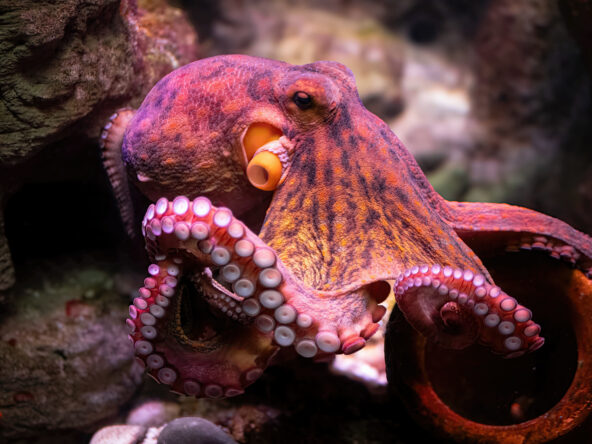
Two hearts pump blood to the gills, while the third pumps it to the rest of the body. And when they swim, that main heart actually stops beating. It’s like their body just goes, “Hang on, let me multitask really badly for a second.” Also, their blood is blue thanks to a copper-rich protein. So basically, octopuses are weird, alien sea aristocrats with backup circulation and a flair for the dramatic.
2. Bananas are berries, but strawberries aren’t.
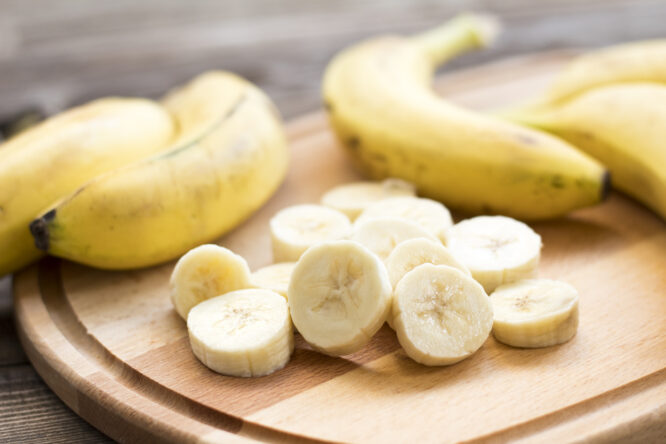
Botanically speaking, bananas tick all the boxes to be considered true berries. Meanwhile, strawberries don’t—they grow from a flower with multiple ovaries, which apparently disqualifies them from the berry club. It’s one of those facts that makes you question everything you ever learned in the fruit aisle. And yes, this will haunt you the next time you order a smoothie.
3. Wombat poo is cube-shaped.
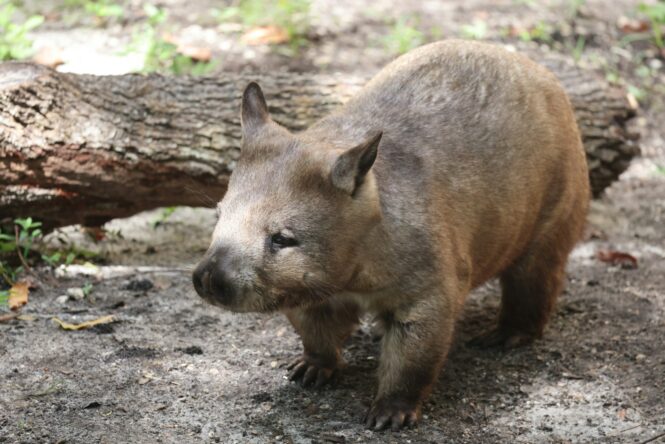
Yep, little square poos—stackable and everything. Scientists believe it helps the poo stay put on logs and rocks, which wombats use to mark their territory. No one’s exactly sure how their intestines manage the geometry, but it’s very efficient. Imagine being so committed to neatness that even your bathroom habits are geometrically sound. Wombats are clearly on another level.
4. A group of flamingos is called a “flamboyance.”
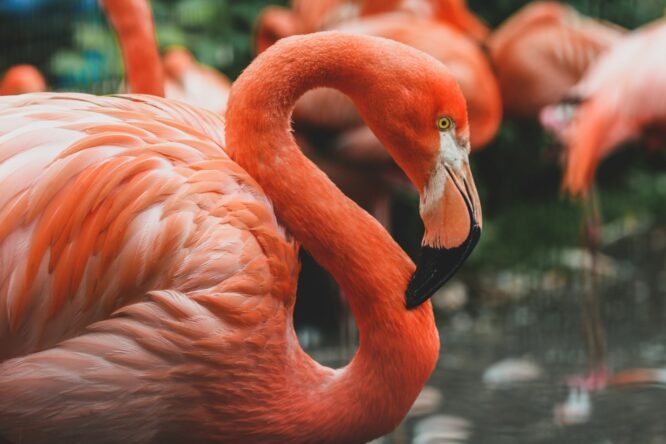
And honestly, what else would you call a bunch of hot pink birds standing on one leg? The word suits them better than any group name ever has. They’re not just loitering—it’s a full-on spectacle. This is the kind of trivia that makes you sound weirdly cultured and unhinged all at once. Which, to be fair, is the flamingo aesthetic anyway.
5. The Eiffel Tower grows in summer.

When the metal heats up, it expands—by about 6 inches. The tower actually grows taller when it’s hot out and shrinks again in winter. Yes, the Eiffel Tower is technically seasonal. It’s a good reminder that physics is always quietly doing its thing, even when it makes architecture feel like it’s alive. Very dramatic of it.
6. Cows have best friends.
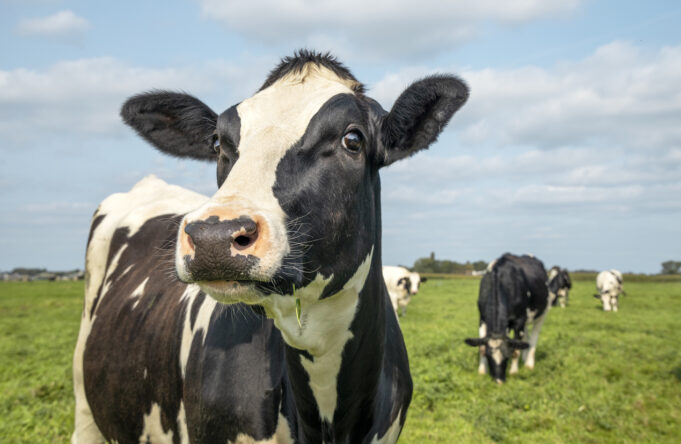
Studies have shown that cows form close bonds with certain other cows, and they actually get stressed when separated from them. It’s not just herd instinct; it’s proper friendship. So the next time someone calls you overly attached, remember: cows are out there having bestie meltdowns in fields, and science says it’s valid.
7. The dot over a lowercase “i” is called a tittle.

Yes, it has a name. A tittle. It refers to any small distinguishing mark, but it’s best known as the little dot above “i” and “j.” Weirdly satisfying to know, right? Now you have a great (or terrible) fact to throw into awkward silences. Just say “tittle” and see what happens.
8. Sloths can hold their breath longer than dolphins.
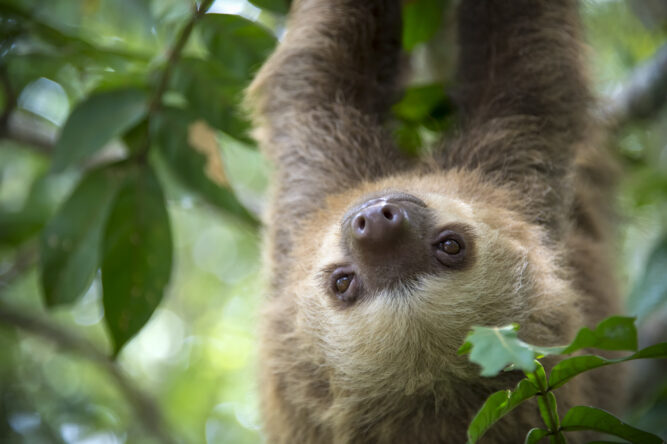
While dolphins can hold their breath for around 10 minutes, sloths can do it for up to 40. They slow their heart rate down so much that they barely use oxygen. Peak lazy efficiency. They might look like they’re doing nothing, but sloths are out here breaking records in chillness. Honestly, goals.
9. You can’t hum while holding your nose.

Go on, try it. Without your nose to let air escape, humming just doesn’t happen. It’s one of those dumb little human design flaws that’s more amusing than it has any right to be. Now imagine how many people just tried that mid-scroll. You’re not alone, and no one is judging. Probably.
10. Sharks existed before trees.
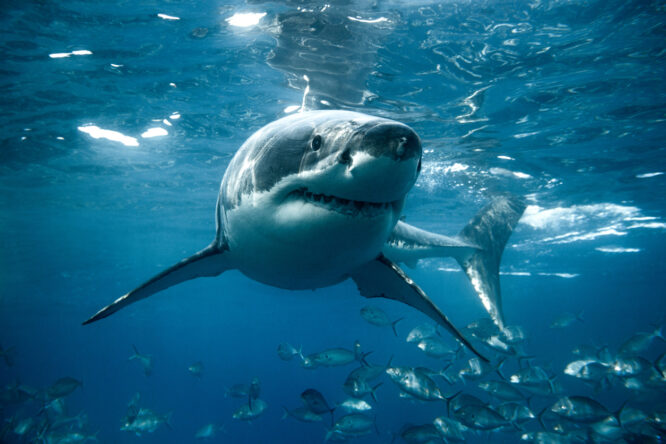
Sharks have been swimming around for over 400 million years. Trees, by comparison, showed up about 350 million years ago. So technically, sharks are ancient elders of Earth’s ecosystem. Just picture them judging everything we’ve done since. They’ve seen it all, and they’re not impressed.
11. Butterflies taste with their feet.
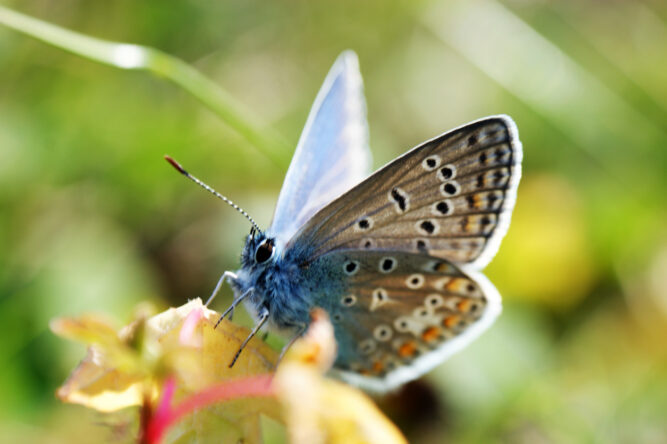
They have taste sensors on their feet, so when they land on a plant, they can “taste” it to decide if it’s edible. Which means they’re basically stomping their way through life like tiny food critics. It’s charming until you imagine doing the same thing yourself. Suddenly, shoes feel like a crime against nature.
12. The longest hiccuping spree lasted 68 years.

Charles Osborne started hiccuping in 1922 and didn’t stop until 1990. He hiccuped an estimated 430 million times. No known cure, just vibes and sheer stamina. This fact is equally impressive and horrifying. Next time you have the hiccups for ten minutes, remember it could be worse. So much worse.
13. A jiffy is a real unit of time.

It’s not just a slang term—technically, a jiffy is about 1/100th of a second in physics. Which means every time you say, “Be there in a jiffy,” you’re wildly exaggerating. Or… being too literal? Either way, it gives your everyday expressions a whole new layer of chaotic accuracy. Or inaccuracy. Who even knows anymore.
14. The inventor of the Pringles can is buried in one.
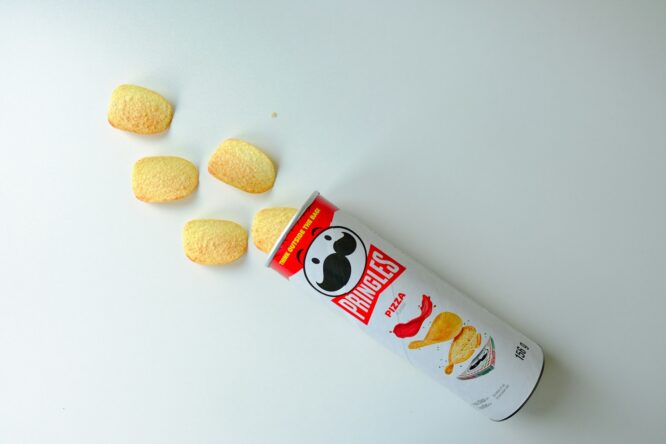
Fred Baur, the man who created the iconic packaging, was so proud of it that part of his ashes were buried in an actual Pringles tube. Original flavour, if you’re wondering. It’s weirdly touching and also peak brand dedication. Imagine having your final resting place also be the world’s most satisfying chip tube.
15. Sea otters hold hands while sleeping.
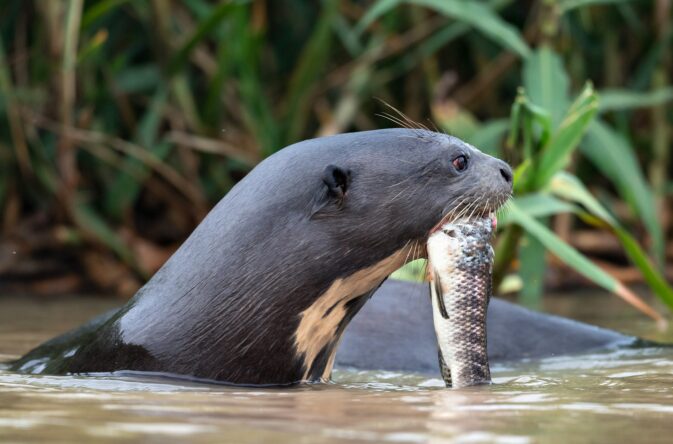
They do this to keep from drifting apart while floating on their backs. It’s adorable, practical, and mildly devastating in its wholesomeness. They even wrap themselves in kelp like a blanket. Meanwhile, you’re over here trying to keep your duvet on all night. Who’s the advanced species now?
16. Scotland’s national animal is the unicorn.

Yes, really. Not a lion, not a majestic bird—a literal unicorn. It’s been on the Scottish coat of arms for centuries, symbolising purity and strength. Plus, the unicorn has never lost a battle, because, well… it’s imaginary. Honestly, it’s the kind of chaotic national pride we can all get behind. Go big or go home.
17. Frogs blink to swallow.
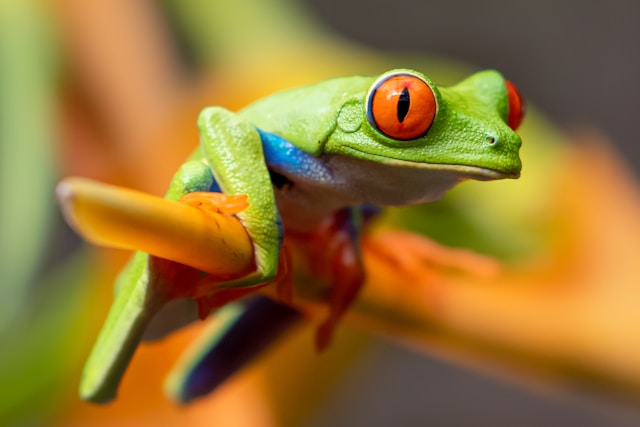
When frogs eat, they retract their eyes down into their heads to help push the food down their throat. It’s gross, effective, and very on-brand for amphibians. They’re using their face as a second mouth muscle. Nature didn’t have to go that hard—but it did.
18. Turtles can breathe through their butts.
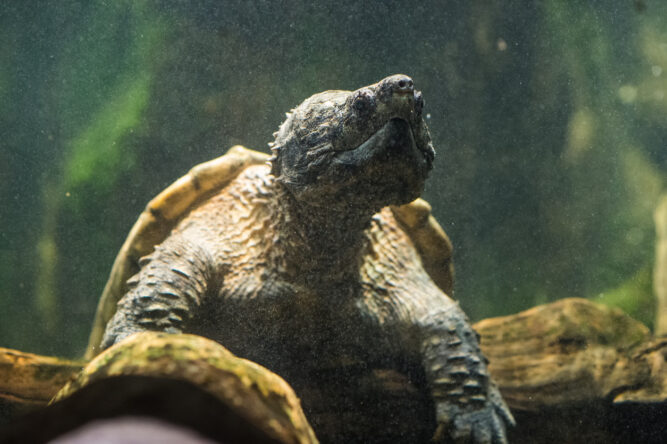
Some species of turtles can absorb oxygen through their cloaca—basically the multi-purpose rear end of a reptile. It helps them survive long periods underwater without coming up for air. No one asked for this information, but now it lives in your brain forever. You’re welcome and also, sorry.
19. There are more fake flamingos in the world than real ones.
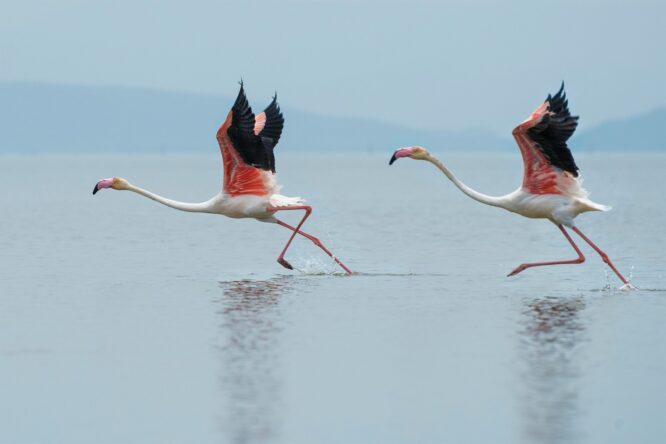
Thanks to lawn ornaments, party decorations, and flamingo-themed everything, there are more plastic flamingos globally than actual birds. It’s the most stylish population crisis in history. The real ones are outnumbered, but you can bet they’d still win Best Dressed at any gathering. Even the fake ones know who’s boss.
20. You can hear rhubarb growing.

When forced rhubarb is grown in dark sheds, it grows so fast that it actually makes a popping or squeaking noise. People used to sit and listen to it grow by candlelight. Yes, really. It’s agriculture ASMR. Equal parts soothing and mildly unsettling. But mostly just a fantastic party fact for when no one asked.