To be fair, 2001 wasn’t just another year—it was a whole different world.
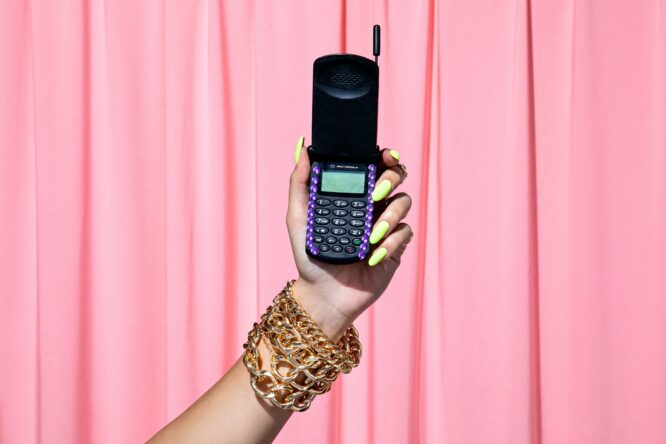
We were still rewinding VHS tapes, shouting at dial-up modems, and treating ringtones like a personality trait. However, if you tried to explain half of that to someone born after 2005, you’d be met with blank stares and maybe even mild concern. Here’s a rundown of things that made total sense back then, but would baffle younger generations today.
Hanging up the phone by slamming it shut
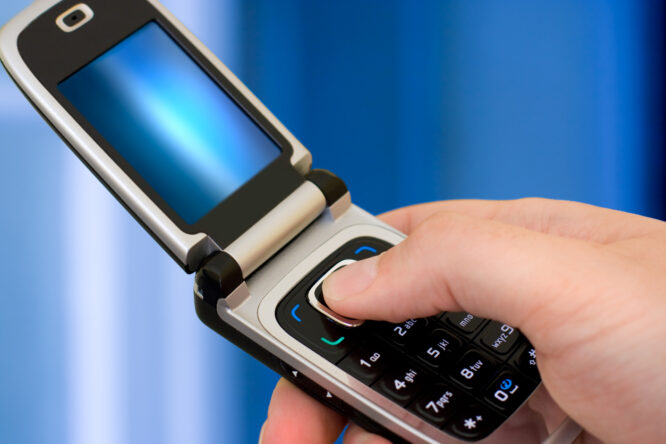
Nothing said “conversation over” like snapping your flip phone shut with just the right amount of drama. That hinge was your mic drop. It was satisfying, definitive, and occasionally passive-aggressive. Today, ending a call is just a soft tap on a touchscreen—no flair, no noise, no closure. Kids now will never know the power of the flip-flop snap and the slight risk of trapping your thumb in the hinge.
Burning a CD for someone as a grand romantic gesture
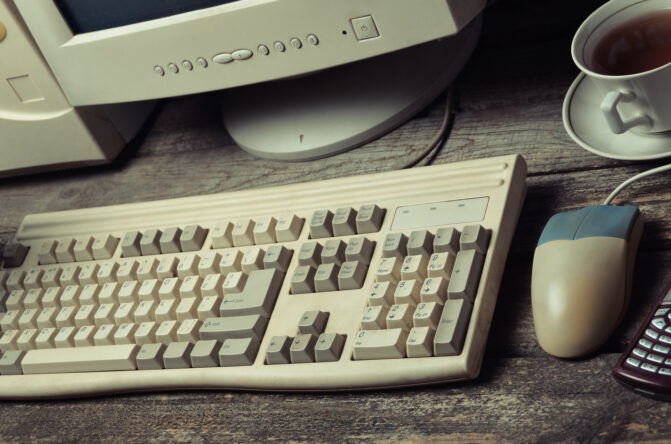
Making a mix CD was basically the 2001 version of declaring your undying love. You’d spend hours picking the perfect playlist, agonising over track order, and maybe even doodling on the disc in permanent marker. Now, sharing a Spotify playlist just doesn’t hit the same. There’s no effort in it. No risk of the CD skipping halfway through that meaningful Coldplay song you chose for deep emotional impact.
Having to go to another room to use the internet
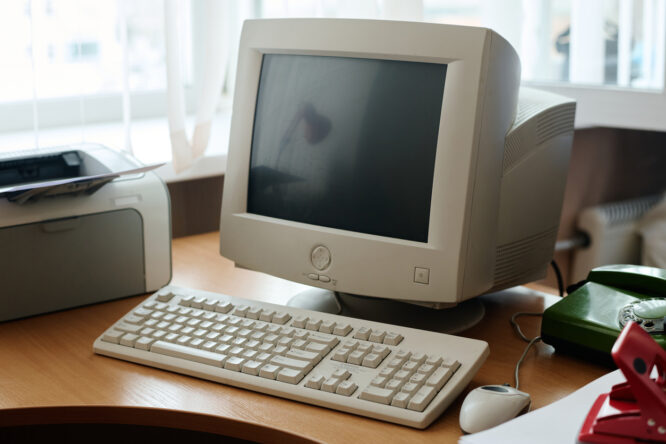
The internet wasn’t in your pocket—it was in the study. You had to physically go sit at the family computer and log in, often booting someone off the phone line in the process. Explaining this now is like describing a Victorian ritual. Yes, we used to wait patiently for a connection… then scream when someone picked up the landline mid-download. It was digital hardship.
Texting like you were solving a puzzle

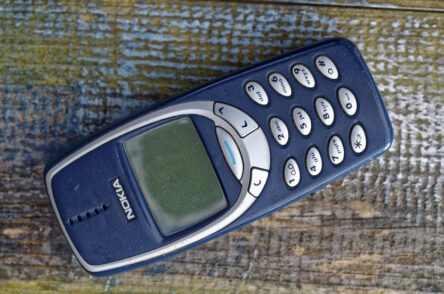
If you had a Nokia 3310, you know the pain of T9 predictive text. You had to press the ‘2’ key three times just to get the letter C. Speed-texting back then was basically a skill you could’ve added to a CV. Now, kids tap full sentences with one thumb and autocorrect fixes their chaos. Back then, if you sent “I’m at the cinema” without a typo, you were basically a linguistic ninja.
Changing your MSN screen name based on your mood
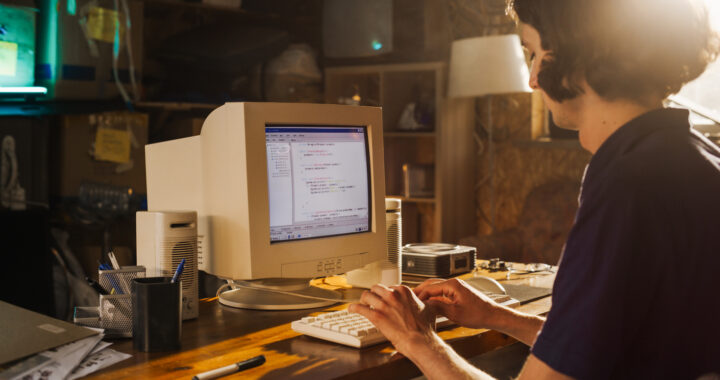
MSN Messenger wasn’t just a chat app—it was a full-blown expression of your teenage soul. You’d change your screen name to include song lyrics, weird fonts, or cryptic initials meant for one specific person. It was part communication, part performance art. And don’t even get started on those “nudge” vibrations. Trying to explain the emotional weight of a blinking contact going offline and back on again is a lost cause now.
Renting a movie and having to return it
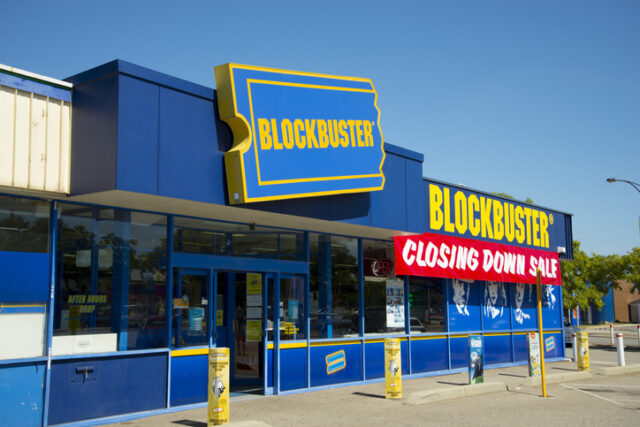
Blockbuster wasn’t just a place to rent DVDs—it was a whole Friday night experience. You’d browse the aisles, argue over what to get, then desperately rewind your last rental before dropping it back. The idea of physically going somewhere to borrow a film, being charged if you forgot to return it, and being unable to watch something because they were out of copies feels prehistoric now.
Having to print out directions before a road trip
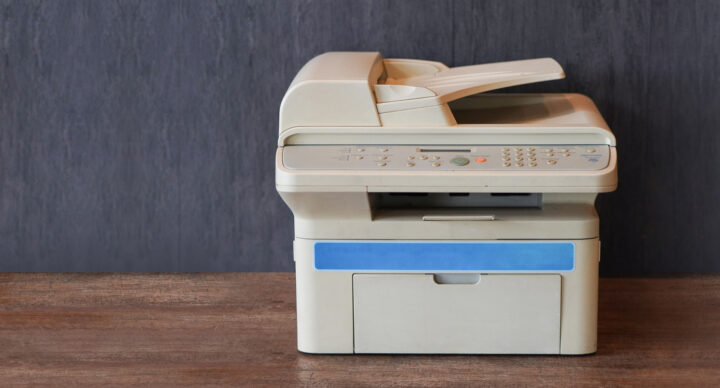
Google Maps didn’t speak. Sat navs weren’t a thing. So if you were going somewhere new, you’d go on the family computer, print out step-by-step directions, and hope no one missed an exit. One wrong turn and it was chaos. Kids today will never know the stress of trying to read a printout in the dark, in the passenger seat, while your mum asked if you were sure we were still on the A47.
Bluetooth-ing songs to your mates in school

Before AirDrop, before cloud sharing, before Spotify group sessions, there was Bluetooth. You’d spend your lunch break trying to beam tinny MP3s to each other’s Sony Ericssons, sometimes taking ten minutes per song. You weren’t allowed phones in school, but that didn’t stop the secret swaps of Akon, N-Dubz or Crazy Frog from happening under the table. It felt like digital rebellion. Slow, but thrilling.
Watching TV live, and planning your night around it
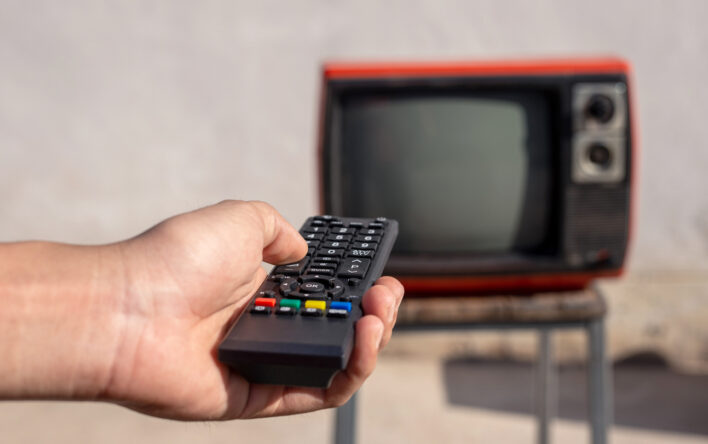
TV wasn’t on demand. It was on when it was on. If you missed your show, you had to wait for the repeat, if there even was one. And don’t even talk to us about missing the start of something important. You’d literally plan your evening around shows like Pop Idol or Friends, and if your mum wanted to watch something at the same time on another channel? You had to negotiate, or lose the sofa.
Not knowing things, and just living with it

If a question popped into your head in 2001—like “What’s that actor in?” or “How do you spell daiquiri?”—you didn’t whip out your phone. You just… didn’t know. You asked someone, or stayed confused forever. There was no instant answer in your pocket. Pub debates could last hours. People were wrong with confidence. And honestly? It kind of built character. Or at least stronger opinions.
Paying extra for polyphonic ringtones
Ringtones used to be a thing. You’d buy them from those weird TV ads or dodgy websites, paying £3 a pop to get a tinny version of your favourite song that made your phone sound like a tiny Casio keyboard. Choosing the right ringtone was a serious decision. It had to be cool, recognisable, and not completely horrifying. Now, most people just keep their phones on silent, and kids can’t believe you ever paid for a ringtone.
Knowing your friend’s landline number by heart

You didn’t just call someone—you called their house. Their mum might answer. You’d have to ask, politely, if they were in. And you knew the number off by heart because you dialled it every day. Now, kids don’t even know their own mobile number half the time. The idea of memorising anyone’s contact info—or talking to a parent first—sounds like something from a Jane Austen novel.
Deleting texts because your inbox was full
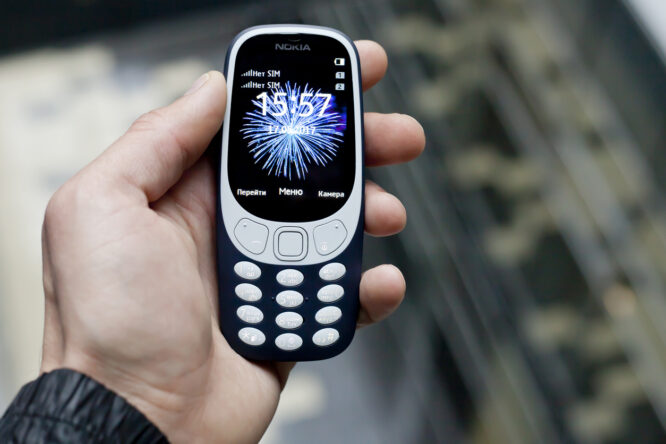
Phones had storage limits. Like, tiny ones. You couldn’t keep all your texts forever—you had to make tough decisions. Do you delete the flirty one from Tuesday or the funny one from your mate? Now, people scroll back through years of messages without a second thought. But once upon a time, you had 50 slots and no cloud backup. It was text message triage at its finest.