Britain might seem like one of the most documented places on earth.
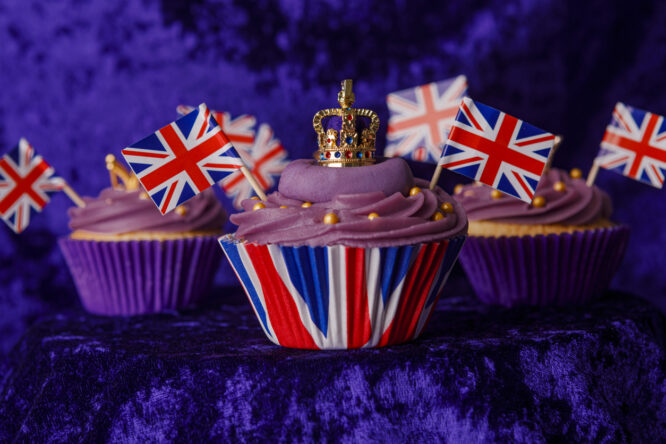
People think they know it inside out—tea, the Queen (well, King now), gloomy weather, and awkward politeness. However, dig a little deeper, and it turns out a lot of common assumptions are way off. Some of the most obvious things about UK life are still somehow misunderstood, misquoted, or missed entirely, even by people who live here. These are just some things about the UK that seem like they should be common knowledge, but weirdly aren’t.
1. The British royal family holds no real political power.
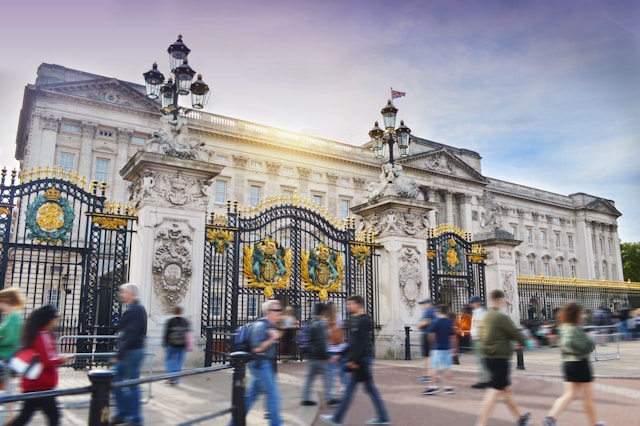
Plenty of people still assume the monarch runs the country. In reality, the King’s role is mostly ceremonial. He can’t make or enforce laws, can’t veto anything, and definitely doesn’t get involved in day-to-day decisions. The Prime Minister and Parliament do all of that.
Yes, there are traditions and formalities—like opening Parliament and meeting world leaders, but it’s all show, not substance. The UK is a constitutional monarchy, which basically means the royals are famous figureheads with no actual power to govern. They’re more about symbolism than control.
2. “Great Britain” and “the UK” aren’t the same thing.

This one still catches people out. “Great Britain” only refers to the island that includes England, Scotland, and Wales. “The United Kingdom” is the full title: the United Kingdom of Great Britain and Northern Ireland. So when people use the terms interchangeably, they’re technically wrong.
Northern Ireland isn’t part of Great Britain, but it is part of the UK. That detail matters more than most people realise, especially when it comes to passports, laws, and Brexit fallout. It’s not just a naming quirk; it’s a political distinction that still shapes a lot of what happens across these islands.
3. We don’t all speak the same kind of English.

There’s no such thing as a “British accent.” The UK is full of distinct regional dialects—some so thick they sound like different languages entirely. From a Scouser in Liverpool to a Glaswegian in Glasgow, the differences in pronunciation, slang, and rhythm are massive.
Even within cities, accents can shift from one neighbourhood to the next. It’s not just charming—it can actually change how people are treated, perceived, or understood. So no, not everyone sounds like they’ve walked out of a period drama. And most Brits don’t say “pip pip” or “cheerio.”
4. We don’t all love the weather talk.

People love to joke that Brits are obsessed with weather—and yes, small talk often starts there. However, it’s not because we care about the forecast. It’s just the safest conversation starter when you’re standing next to a stranger on a wet Tuesday. In reality, most of us are completely sick of grey skies and drizzle. The weather chat is less about obsession and more about shared suffering. We’d gladly give it up for actual sunshine and something else to moan about.
5. Not all British people drink tea.

The stereotype of Brits glued to their kettles isn’t totally wrong, but it’s not universal either. Plenty of people in the UK drink coffee, prefer squash, or just don’t care for tea at all. And no, putting milk in first is still a crime in most households. In fact, tea-drinking varies hugely by age, region, and background. It’s more of a cultural comfort than a national rule. So if someone declines a cuppa, they’re not betraying the nation—they’re just making a perfectly normal choice.
6. We drive on the left—on purpose.

It’s not just to be different. The UK’s left-side driving goes back to medieval times when swordsmen kept to the left to draw their weapon more easily. Napoleon changed it in mainland Europe, but Britain stuck with it, and the tradition held.
Now, more than 70 countries drive on the left too, so the UK’s not exactly alone. Still, it does confuse a lot of visitors, especially at roundabouts or junctions, but no, it’s not wrong. It’s just a different system that works fine when everyone sticks to it.
7. “Football” means something completely different here.

When Brits say football, they don’t mean American football. They mean the one with an actual ball and actual feet—what the rest of the world calls soccer. And yes, we do take it seriously. Possibly too seriously. For many people here, football is religion, politics, family history, and identity all rolled into one. Club rivalries run deep, and World Cup seasons feel like national holidays. So best not to confuse it with another sport unless you want a very long explanation.
8. We’re not as cold and unfriendly as we seem.

British people might not smile at strangers or strike up deep conversations at the bus stop, but that doesn’t mean they’re rude. Politeness here just looks different. It’s about respecting space, being understated, and avoiding unnecessary fuss. Once you crack the surface, you’ll find most Brits are warm, funny, and genuinely kind—just not in an American-style “let’s be best friends instantly” kind of way. Think of it like a slow boil rather than a microwave greeting.
9. We don’t all live in London.
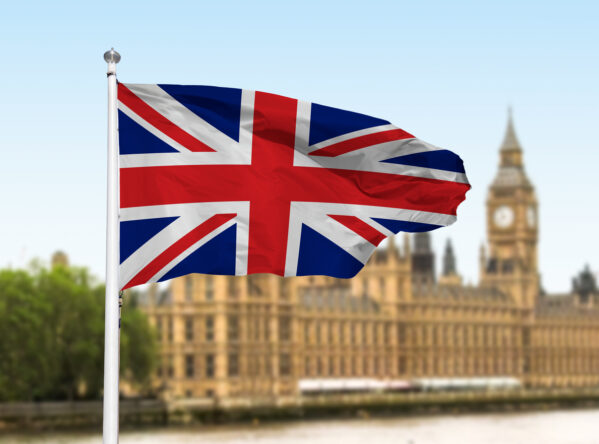
It might feel like the whole country is London sometimes, especially in the media, but most people in the UK don’t live there. The north, the Midlands, Wales, Scotland, and Northern Ireland are full of culture, history, and life that have nothing to do with the capital.
London’s great, but it’s not the whole story. Life in Newcastle, Cardiff, or Glasgow feels totally different—different pace, different prices, even different slang. Assuming everything British = London is like assuming everything American = New York. It’s just not accurate.
10. We actually have hundreds of beaches.

People picture the UK as grey, wet, and permanently miserable, but there are hundreds of stunning beaches scattered around the coast. Cornwall, Norfolk, Pembrokeshire, and even parts of Scotland have golden sands, dramatic cliffs, and crystal-clear waters.
Granted, the water’s freezing most of the year, but that doesn’t stop the locals. There’s even a growing cold-water swimming culture. So while we might not compete with the Mediterranean, Britain’s coastlines deserve way more credit than they get.
11. We don’t tip like Americans do.

In the UK, tipping is appreciated, but it’s not automatic or expected in every setting. You might round up a bill or leave 10% in a restaurant if the service was good—but you won’t be chased down the street if you forget. It’s not stingy—it’s just cultural. Service staff are usually paid a full wage, and tipping is more of a polite gesture than a necessity. Trying to tip everywhere can actually feel awkward or over-the-top in some places.
12. We’re not all obsessed with the monarchy.

Sure, some Brits follow royal updates and line the streets for weddings, but plenty of us don’t care at all. Republican sentiment is on the rise, and for many younger people, the monarchy feels outdated or irrelevant. It’s not impolite to ask about the royals, but don’t assume everyone adores them. For every royalist, there’s someone rolling their eyes at the next coronation bank holiday. Public opinion is far more split than it looks in tabloids.
13. British food has changed massively.

Yes, the UK once had a bland food reputation, but those days are long gone. Now, the average British city is packed with global cuisines, incredible street food, and independent places doing bold, creative dishes. From proper curries to Vietnamese banh mi, you can eat your way around the world in a single high street. And traditional British food itself—like pies, roasts, or fish and chips—has had a glow-up in recent years. It’s not beige anymore, and it’s definitely not boring.
14. The UK is four nations, not one big blob.

England, Scotland, Wales, and Northern Ireland each have their own governments, laws, languages, and strong cultural identities. They’re not interchangeable. And while they’re part of the same country on paper, they often see themselves very differently from each other.
From sport to politics to daily life, regional identity matters deeply. So calling a Scot “English” isn’t just wrong—it’s borderline offensive. Understanding the UK means understanding its internal differences just as much as its global image.