Back in 2016, a lot of promises were made about the future of the UK outside of the EU.
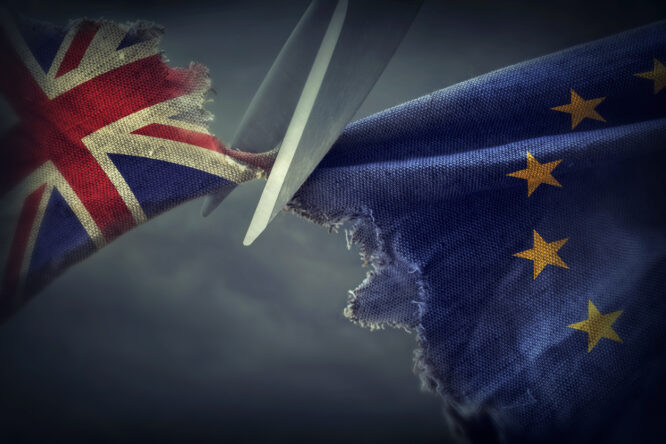
Brexit, we were told, would bring sovereignty, economic revival, stronger borders, and a brighter future tailor-made for Britain. Years later, though, many of those pledges still haven’t materialised—and for a lot of people, daily life feels harder, not better. Whether you voted leave or remain, it’s hard to ignore the fact that some of the big post-Brexit “wins” still haven’t arrived. Here are some of the most talked-about improvements that were supposed to happen after Brexit… and still haven’t shown up.
1. Lower food prices

One of the early Brexit arguments was that leaving the EU would let the UK set its own trade deals, meaning cheaper food imports and better prices for consumers. Fast-forward to now, and food costs have skyrocketed, with Brexit-related friction making things worse.
From supply chain delays to new import checks and paperwork, the system has only got clunkier. Even British-grown produce isn’t immune, with extra costs passed straight to shoppers. If anything, the weekly food shop’s become more expensive, not less.
2. More control over borders
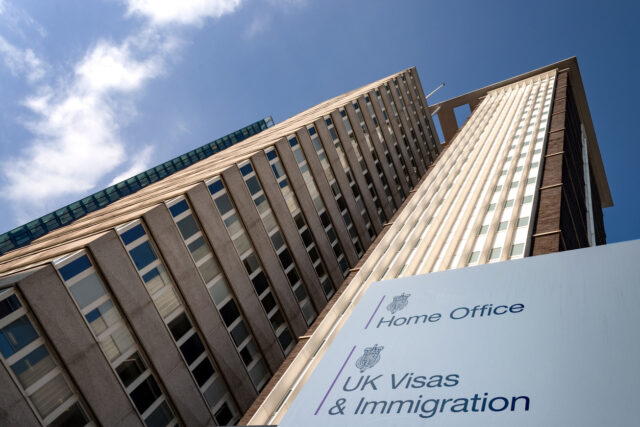
“Take back control” was the rallying cry, and immigration was a central theme. The idea was that post-Brexit Britain would decide exactly who came in and out of the country. However, the reality’s more complicated than that. Net migration hit record highs in recent years, and the new points-based system hasn’t magically solved the issues around housing, services, or workforce shortages. The promise of “tight control” turned out to be more slogan than strategy.
3. A stronger NHS
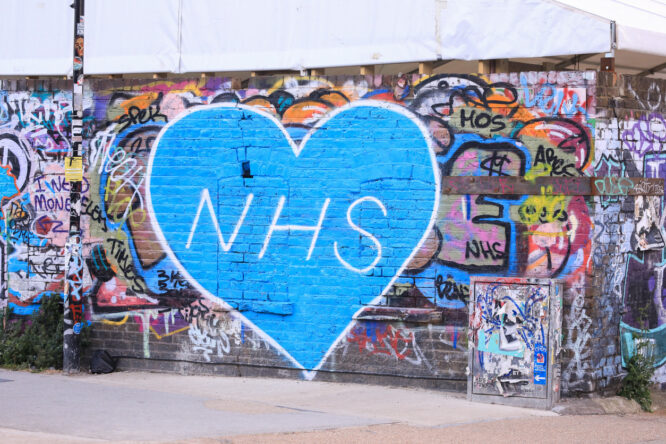
Let’s not forget the bus—the infamous claim that leaving the EU would free up £350 million a week for the NHS. It became one of the most memorable messages of the entire campaign. In practice, the NHS is under more pressure than ever, facing staff shortages, underfunding, and backlogs that don’t seem to end. Whatever extra funding was supposed to appear hasn’t felt noticeable to the people using—or working in—the system.
4. Booming trade deals
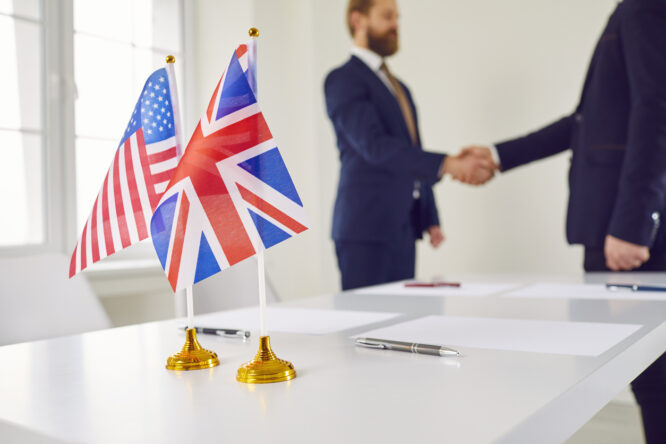
We were told the UK would strike fantastic trade deals all over the world—faster, better, more tailored than anything the EU could offer. Some have happened, yes. But most have been rolled-over versions of what we already had through the EU.
Major deals with the US, India, or China haven’t arrived (though we have signed… some kind of deal with America just this week). Plus, some of the new ones, like the Australia agreement, have faced criticism from British farmers and small producers who feel they’ve been undercut rather than boosted.
5. A boost for British manufacturing
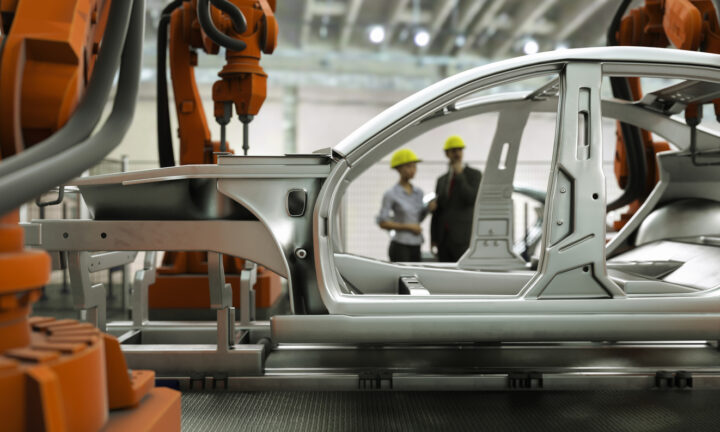
There was a hope that Brexit would lead to a resurgence in British-made goods. Free from EU regulations, the UK could supposedly fuel its own industrial rebirth. Of course, that wave of investment hasn’t landed. Instead, businesses have faced more red tape, higher exporting costs, and supply delays. Car manufacturers, in particular, have warned about job losses and shifting operations elsewhere due to added Brexit burdens.
6. Fewer regulations
Brexit was sold as a chance to escape EU red tape and bureaucracy. Yet, many UK businesses now report more paperwork, not less—especially when dealing with customers or suppliers across the Channel. From customs declarations to safety checks and labelling rules, the promise of simplified regulations turned out to be an extra admin headache, particularly for small companies trying to trade internationally.
7. A boost in wages for British workers

Supporters argued that limiting EU migration would lead to better pay and more job opportunities for British workers. In theory, fewer people competing for jobs would mean wages go up. However, in practice, many of the sectors that relied on EU labour—hospitality, agriculture, healthcare—have struggled to fill roles, and wages haven’t exactly surged. Cost of living has outpaced pay for many, leaving workers no better off than before.
8. Revived fishing communities
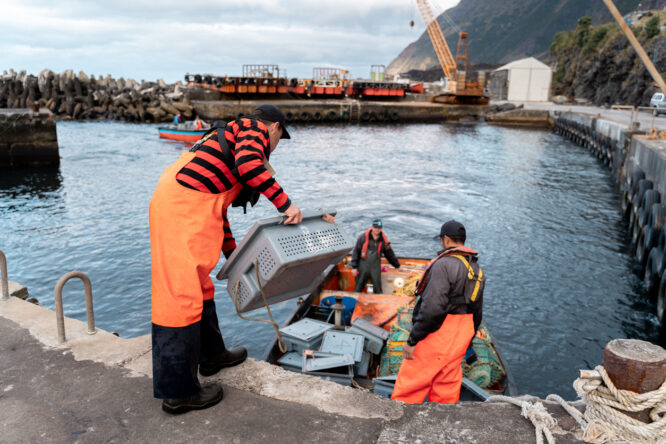
The fishing industry was framed as one of Brexit’s biggest winners. Britain could “take back its waters” and revive coastal communities with more quotas and better deals. Sadly, the reality hasn’t matched the rhetoric. Delays, export problems, and complicated new rules have left many smaller fisheries worse off. Some have struggled to get their catch to EU markets in time, and promised support has been patchy at best.
9. Simpler travel to non-EU countries

Once free from EU travel arrangements, there was talk that the UK could negotiate better travel agreements with countries outside Europe. However, for most travellers, things haven’t got easier—they’ve got messier. Visa requirements, travel insurance concerns, and roaming charges are all more of a headache than before. While some destinations have been cooperative, travel hasn’t exactly become smoother since the split.
10. Better deals for consumers

There was this idea that UK shoppers would benefit from cheaper imports and more flexibility. Free from EU price structures and restrictions, we’d supposedly have better choices and prices. However, rising import costs, VAT changes, and increased delivery delays have meant that many items now cost more or take longer to arrive. If there were savings to be had, they’ve been swallowed up by red tape and inflation.
11. A clearer national identity

Brexit was partly about reclaiming a sense of British identity and pride. However, since the vote, if anything, the UK has felt more divided—by generation, region, and politics. Rather than a unified cultural confidence, there’s been lingering tension, especially in places like Scotland and Northern Ireland. The national “reset” some hoped for hasn’t exactly been cohesive or calming.
12. Easier housebuilding and development
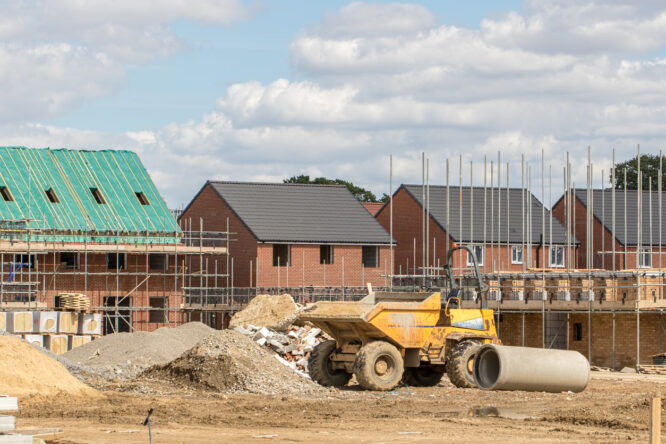
Some pro-Brexit voices argued that the UK could speed up housing and infrastructure projects without EU planning restrictions. However, if anything, the housing crisis has worsened since the vote. Planning delays, material shortages, and worker gaps (many construction workers were EU nationals) have all made building harder, not easier. The dream of quicker, cheaper development is still waiting in the wings.
13. More support for rural communities

Leaving the EU meant leaving behind the Common Agricultural Policy. The idea was that Britain could tailor its own rural support schemes and better serve its farmers and countryside communities. Unfortunately, many farmers say payments have been delayed or cut, and the uncertainty around new subsidy schemes has made long-term planning harder. What was supposed to be a cleaner, fairer system still feels unfinished.
14. A tech and innovation boom

There was talk of the UK becoming a tech powerhouse—free from EU constraints, innovation would flourish. But global investors have been wary of instability, and the post-Brexit economy hasn’t quite been the magnet people expected. Some firms have moved operations elsewhere, citing regulatory unpredictability. And while tech is growing, it’s happening in spite of Brexit—certainly not because of it.
15. A simpler, stronger political system
Leaving the EU was meant to “cut out the middleman.” No more Brussels interference—just clear, homegrown decisions. But politics hasn’t exactly become more efficient or transparent since the vote. Brexit exposed deep cracks in Westminster, and decision-making feels just as messy, if not messier, than before. Many people feel more disillusioned with politics now than they did during the referendum itself.