It’s easy to look back and spot the things that were missing growing up and convince yourself you had it tough.

But sometimes, we overlook the small, steady stuff that actually made our childhoods feel safe, cared for, or actually kind of special. Not every childhood is perfect—most aren’t, in fact—but if any of these ring true, there’s a good chance yours gave you more than you thought at the time.
You felt safe in your own home.

Not necessarily rich or fancy, but safe. You knew where your next meal was coming from, and you didn’t have to brace yourself for shouting or walking on eggshells. Steady safety like that is more powerful than most people realise. If home felt like a place you could relax, that’s a big deal. It means your nervous system got the chance to settle, and that sets the stage for everything else, even if you didn’t notice it at the time.
You were allowed to be silly.

Maybe you made up dance routines, built ridiculous forts, or told terrible jokes that made your parents laugh anyway. Being silly without shame is a sign you were free to be yourself. It means the adults around you weren’t constantly shutting you down or demanding you grow up too fast. That freedom to be goofy helps build confidence, creativity, and joy that sticks with you for life.
You didn’t feel responsible for the adults around you.

You weren’t their emotional support system. You weren’t calming them down or carrying their stress. That means you got to be a kid, which is exactly how it should be. When kids are allowed to stay in their lane without feeling like they have to fix things or keep the peace, it often means the adults were doing their job well, even if it wasn’t flashy.
You had at least one adult who really saw you.

Maybe it was a parent, a grandparent, or a teacher, but someone looked at you with genuine interest. They listened to your nonsense stories and asked questions about your world. That kind of attention can fly under the radar, but it shapes how you feel about yourself. Being seen and accepted early on can make all the difference to how you handle relationships later in life.
Your basic needs were consistently met.

You had food, clothes that fit, and somewhere warm to sleep. It might not have felt luxurious, but it meant you could focus on being a child rather than worrying about survival. When those basics are covered without drama, it creates a foundation of trust in the world. It’s not just about material things. It’s about feeling secure enough to explore and grow.
You could speak your mind without fear.

Even if your opinion didn’t always win, you weren’t punished or shamed for having it. You felt heard, at least some of the time, and you weren’t afraid to speak up. That kind of psychological safety sets the stage for future self-worth. If you knew your voice mattered, even a little, that’s something many people never got, and it’s a subtle sign of a good environment.
You were encouraged, not just corrected.

Sure, you got told off now and then, but you also got praised, cheered on, or given a gold star for trying. It wasn’t just about discipline; it was about noticing effort and growth. That balance matters. Kids need to know when they’ve done well, not just when they’ve messed up. If someone made space for your wins, even the small ones, it probably helped you believe in yourself more than you knew.
You had routines you could count on.

Dinner at the same time, bedtime stories, Saturday morning cartoons—whatever your version was, it gave you something to rely on. That rhythm helped build stability without needing big gestures. Even simple routines can create a sense of safety and belonging. If your life had that structure, it likely made you feel more secure, even if it just felt “normal” at the time.
You didn’t feel pressure to be perfect.

You could mess up, spill things, or get something wrong without it turning into a disaster. That freedom to make mistakes without shame is rare, and incredibly valuable. It means you were seen as a developing human, not a reflection of someone else’s ego. That sort of grace can build relaxed confidence that sticks around long after childhood ends.
You had a favourite place that felt like yours.

Maybe it was a tree in the garden, a corner of your bedroom, or your nan’s kitchen. Somewhere you felt calm, happy, and completely yourself. Having an emotional anchor matters more than most people think. Having a “safe spot” as a kid helps you develop a sense of inner peace. It’s a little sign your world had enough stability for you to find comfort in your surroundings.
Your emotions were allowed to exist.

You could cry without being told to stop. You could get frustrated without being punished. No one expected you to be cheerful 24/7 or bottle things up to make life easier for them. If your feelings were acknowledged—whether by a parent, sibling, or anyone close—that’s a huge sign of emotional safety. It means you were taught that your inner world mattered.
You looked forward to simple things.

Ice cream after school, visiting a friend, your birthday morning—small joys kept a smile on your face. That’s a sign your world wasn’t too heavy to enjoy. You weren’t weighed down with worry all the time. When kids have space to get excited about little things, it means their emotional load is manageable. That lightness is a sign you were allowed to be present, rather than just surviving.
You had someone to comfort you when things went wrong.

Someone sat with you when you were ill, hugged you when you cried, or made your favourite meal when you were down. That kind of nurturing doesn’t need to be constant to matter. It just needs to show up when it counts. Knowing you weren’t alone in hard moments is something many kids didn’t get. If you did, it probably shaped your ability to self-soothe and connect with other people more than you realise.
You weren’t expected to fix grown-up problems.
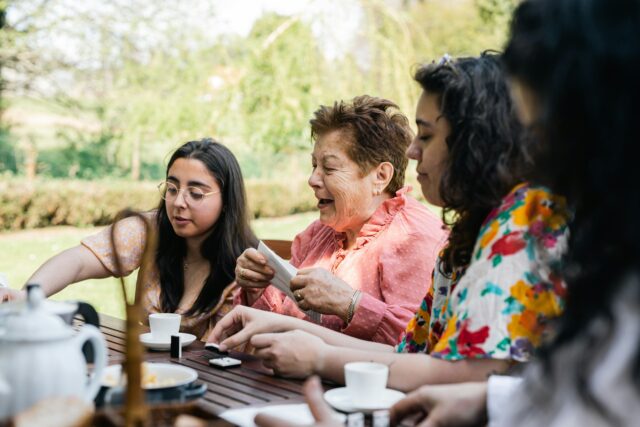
No one leaned on you for emotional support, or expected you to “be strong” when things were falling apart. You weren’t the peacekeeper, therapist, or backup parent. You were allowed to just be a kid. If you didn’t have to carry that kind of emotional weight, that’s a huge win. It means you got the childhood other people often had to sacrifice in order to keep things together.
You had people who believed in you.

Even if they didn’t always say it directly, you knew someone thought you were capable of good things. They encouraged your interests, celebrated your progress, and saw something in you, even when you couldn’t. That belief from a trusted adult can be one of the most protective forces in childhood. If someone rooted for you, it likely planted seeds of confidence you’re still drawing from today.
You felt genuinely loved, even if it wasn’t perfect.

Maybe it wasn’t said all the time, but you felt it—in hugs, in packed lunches, in someone showing up for school plays or staying up when you were sick. That everyday love sticks with you. It doesn’t have to have been a fairytale childhood to still be good. If you knew deep down that someone loved you and had your back, then your roots were stronger than you might’ve realised.