Some people seem emotionally distant right from the start, while others take time to reveal just how closed-off they really are.

Either way, dealing with someone who’s emotionally cold can be confusing and draining. You might find yourself constantly second-guessing their reactions, questioning your own expectations, or feeling oddly invisible. Here’s how you know you’re dealing with someone who’s just not emotionally available, and might not even want to be.
They rarely show genuine excitement or joy.

You could share great news, land a dream job, or plan something thoughtful, and they’ll respond with a blank “cool” or a shrug. It’s not that they’re always negative, they just don’t seem to feel much at all. It leaves you feeling deflated, like your highs are being dismissed. People with emotional warmth reflect back enthusiasm. Cold people keep things flat, no matter how meaningful the moment.
They brush off emotional conversations.
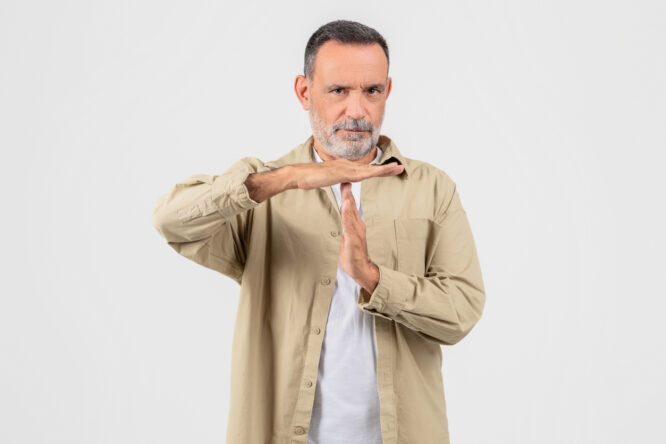
Try to talk about feelings, and suddenly, they’re busy, tired, or just not in the mood. If you push, they might even make you feel like you’re being dramatic or needy. It’s not bad timing, it’s blatant disinterest. Emotionally cold people often avoid vulnerability at all costs, and your attempts at real connection can feel unwelcome or even annoying to them.
They don’t offer comfort when you’re upset.

If you’re hurting, their reaction tends to be distant or awkward. They might change the subject, tell you to toughen up, or just go quiet until the moment passes. Even if they care in their own way, they rarely show it through empathy or comfort. You end up feeling alone, even in their presence, and that emotional distance can cut deep.
Their compliments feel surface-level or forced.

When they do say something nice, it often sounds like a throwaway comment, almost like they’re ticking a box. There’s rarely warmth or real engagement behind their words. True compliments carry feeling. With emotionally cold people, praise often feels dry, detached, or mechanical, like they’re repeating something they think they’re supposed to say.
They make you feel foolish for being expressive.

If you’re someone who wears your heart on your sleeve, they might roll their eyes, joke at your expense, or subtly shame you for being “too much.” That kind of reaction trains you to hold back. As time goes on, you might find yourself shrinking in their presence, scared of coming across as too emotional or too open.
Their affection is inconsistent or absent.

They might be affectionate in rare moments, but it’s unpredictable. You never know when you’ll get a warm hug or a cold shoulder, and there’s usually no clear reason why it changes. So much emotional inconsistency can feel like punishment, even if it’s not intentional. You’re left trying to earn affection instead of receiving it freely.
They don’t celebrate your wins or show support.

When something good happens to you, they might nod and move on like it barely matters. There’s no “I’m proud of you,” no enthusiasm, just silence or indifference. It’s tough to share milestones with someone who responds like you told them the weather. You’re left wondering if they actually care, or if you’re just being tolerated.
They give short, emotionally dry responses.

Whether it’s in texts or face-to-face conversations, their replies often feel clipped and distant. There’s very little warmth or emotional curiosity in how they communicate. Even when you’re opening up or being vulnerable, their tone doesn’t change. They might listen, but they rarely reflect anything back that feels emotionally engaged or comforting.
They dismiss other people’s feelings as overreactions.

If someone’s upset or anxious, their first instinct is to label it as an overreaction. They don’t stop to ask why because it’s easier for them to write it off than to understand it. This creates a cold, invalidating atmosphere. Emotional responses get shut down instead of supported, and you start questioning whether your feelings are even valid.
They don’t share anything real about themselves.

Even after months or years, you might realise you don’t actually know what they care about, what they fear, or what matters most to them. Everything stays surface-level. It’s not always about being mysterious. Emotionally cold people often keep their inner world so guarded that genuine connection feels impossible, no matter how close you try to get.
They avoid eye contact during emotional moments.

Whether it’s a serious talk or a heartfelt thank-you, they look away, change their body language, or change the topic. Emotional presence makes them uncomfortable. Eye contact might seem like a small thing, but in emotionally intimate moments, it carries weight. Their avoidance is a signal they’re not open, or not ready, to connect on a deeper level.
They rarely apologise, and when they do, it lacks depth.

If they’ve hurt you, the apology, if you get one, is usually rushed or vague. There’s no real ownership or understanding behind it, just a desire to move on quickly. Genuine apologies require emotional awareness. Cold people often just want the tension to end, not to actually repair anything. That makes true reconciliation feel out of reach.
You feel lonelier around them than you do on your own.

This is the subtlest but most telling sign. When someone is emotionally cold, it often feels lonelier to be in their presence than to be completely alone. You feel unseen, unheard, and unimportant. Emotional coldness isn’t always obvious, but the effect it has is deep. If being with them feels more isolating than comforting, it’s time to take that feeling seriously.
You’ve stopped expecting emotional connection altogether.

You stop initiating deep conversations, sharing personal wins, or reaching out when you’re upset because you already know what you’ll get: nothing. That resignation speaks volumes. When you start lowering your emotional expectations just to avoid disappointment, it’s usually a sign you’re dealing with someone who isn’t capable, or willing, to meet you where you are.