Doctors know that getting sick on holiday isn’t just annoying, it can actually derail the whole trip.

That’s why they don’t leave their health to chance when they travel. From airport germs to dodgy tap water, they’ve seen what can go wrong. And while they can’t control everything, they do take some seriously effective precautions. Obviously, there are no guarantees, but here are some things doctors always do to protect themselves when they travel. Most of them are surprisingly simple, and worth incorporating into your own travel habits.
1. They pack their own mini pharmacy.
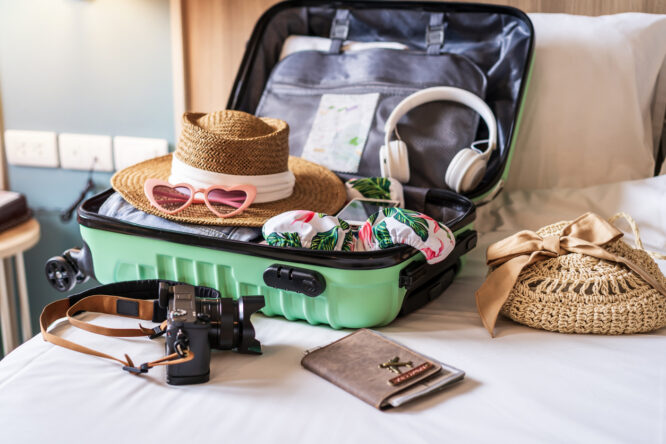
Doctors never assume they’ll find what they need at their destination. They bring their go-to meds for everything from headaches and indigestion to allergies, stomach bugs, and minor wounds. Even if you never use them, having them on hand saves hassle if you get caught out.
They’ll usually include rehydration salts, antihistamines, pain relief, anti-diarrhoea tablets, and motion sickness remedies. Add plasters and antiseptic cream, and you’ve basically got a mobile A&E for minor issues.
2. They sanitise everything on the plane.
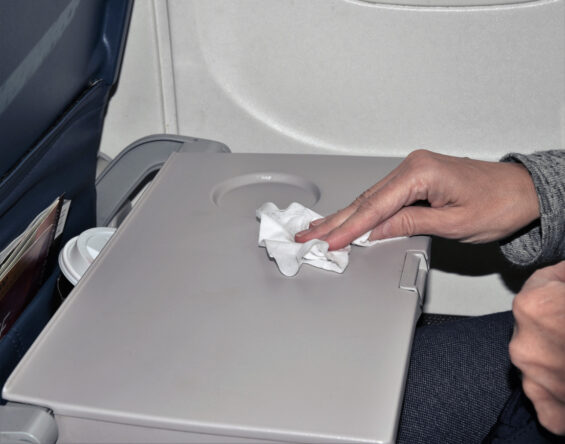
Doctors know that planes are petri dishes with wings. That’s why they wipe down trays, seatbelt buckles, armrests, and screens with antibacterial wipes before settling in. They’re not germophobes. They’re just keen on avoiding the nasties left behind by the hundreds of people who sat there before you. They also use hand sanitiser after touching high-contact areas, especially before eating or adjusting their mask. It’s a small habit that can prevent days of sniffling misery later.
3. They never drink from plane water taps.
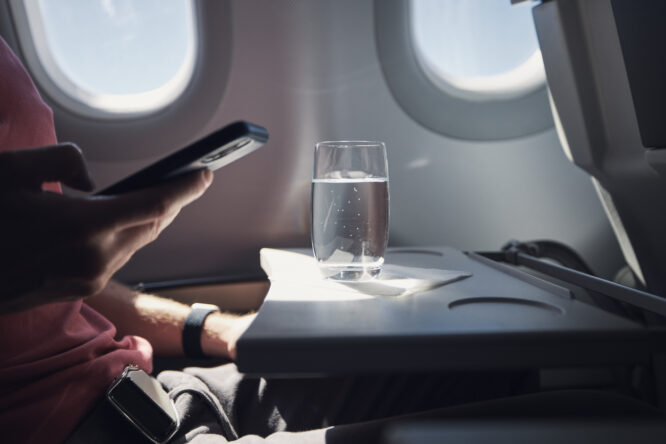
Even though it looks clean, plane tap water has a dodgy reputation, especially in older aircraft. Doctors avoid it completely and stick to sealed bottled water instead, especially for brushing teeth or taking tablets during the flight. If you want to stay hydrated without the risk, bring an empty reusable bottle and fill it at a clean source before boarding. Staying hydrated is key, but only if the water’s actually safe.
4. They keep their immune system topped up.

Rather than popping vitamin C the second they feel a tickle in their throat, doctors start prepping before they travel. They make sure they’re getting enough sleep, staying hydrated, and eating well in the days leading up to a trip. Some will take supplements like zinc or probiotics to support gut health during travel, especially if they’re headed somewhere with unfamiliar food. You’re not going to boost your immunity overnight, so it’s all about staying strong before you leave.
5. They stay hands-off in public spaces.

Doctors avoid touching railings, lift buttons, or shop counters more than they have to, and when they do, they’re quick to sanitise afterwards. High-touch surfaces are hotspots for germs, especially in busy places like airports, stations, and restrooms. They might use a tissue, sleeve, or even a knuckle instead of their fingertips to reduce exposure. It’s subtle, but it makes a difference, especially during flu season or in crowded places.
6. They get their travel vaccines ahead of time.

If they’re going somewhere with disease risk, such as hepatitis A, typhoid, or yellow fever, doctors don’t mess around. They make sure their jabs are up-to-date and take destination-specific risks seriously. They also tend to know what’s locally spreading, from mosquito-borne illnesses to seasonal spikes in flu. Planning ahead for vaccines gives your body time to build protection, and last-minute isn’t ideal.
7. They wash their hands before every meal.
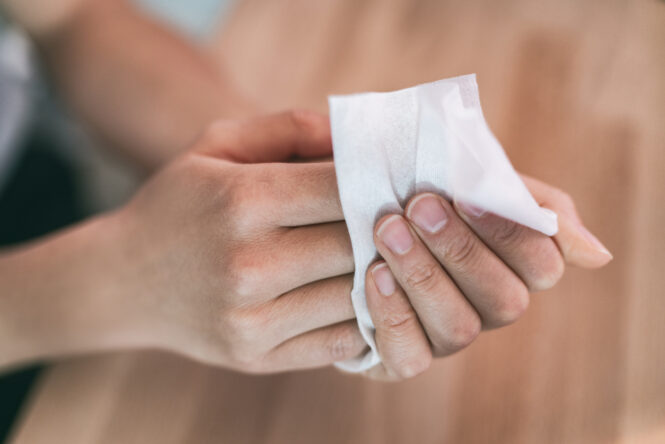
It sounds basic, but it’s one of the most important things doctors do while travelling. Before snacks, drinks, or meals, especially street food, they wash or sanitise their hands thoroughly. No excuses. Many illnesses picked up while travelling aren’t from the food itself, but from bacteria transferred from your hands. You can enjoy all the flavours of a new place, just don’t bring extra germs to the party.
8. They avoid touching their face.

It’s harder than it sounds, but doctors are trained to be aware of how often people touch their faces, especially eyes, mouth, and nose. That’s the fast-track route for germs to enter your system. When they travel, they try to keep their hands away from their face altogether, unless they’ve just washed them. It’s one of the simplest (but most overlooked) ways to stop bugs from getting in.
9. They stay picky about food hygiene.

Doctors love trying new dishes, but they avoid food that’s been sitting out too long, reheated multiple times, or served lukewarm when it’s meant to be hot. That’s prime territory for foodborne bacteria. They often stick to busy places with high turnover, or food that’s made fresh in front of them. Hot and sizzling beats cold and questionable every time, especially in warm climates.
10. They give themselves time to rest.

One of the fastest ways to tank your immune system is to run yourself into the ground. Doctors know that overpacking a schedule, skipping sleep, and ignoring exhaustion is the quickest route to getting sick. Even if they’re only away for a few days, they’ll factor in downtime. It’s not lazy, it’s smart. Your body can’t fight off germs when it’s running on fumes and caffeine.
11. They don’t trust local tap water blindly.

Unless they’re 100% sure it’s safe, doctors avoid tap water in unfamiliar places. That includes ice cubes, brushing teeth, or rinsing fruit. What’s harmless for locals can cause days of stomach trouble for travellers. They use bottled or properly filtered water instead, and when that’s not available, they boil it first. It’s a simple rule that spares them a lot of discomfort (and bathroom time).
12. They dress for the climate, not just Instagram.
It’s tempting to dress for the photos, but doctors prioritise comfort, protection, and weather readiness. That means layering up on cold flights, covering skin from harsh sun, and wearing proper shoes that don’t cause blisters or infections. They know that getting soaked in a surprise downpour or overheating in the midday sun isn’t just annoying, it can make you ill. Being dressed appropriately helps your body stay balanced and well.
13. They listen to their gut (literally).

If something feels off, whether it’s dodgy chicken, a lingering headache, or a weird pain, they don’t push through and hope for the best. Doctors trust their instincts and take small symptoms seriously when they’re far from home. That doesn’t mean they panic, but they do rest, hydrate, or get help if needed. Ignoring signs early on can turn a small issue into a holiday-ruining drama.
14. They don’t skip travel insurance.

Even the healthiest travellers know things can go sideways fast. Doctors never travel without decent insurance that covers medical treatment abroad. It’s not glamorous, but it’s essential. They understand the costs of care in different countries, and how stressful it can be if you’re not covered. Insurance might feel boring, but it’s the thing that makes getting sick while travelling a little less scary.