When your digestive system feels off, whether it’s bloating, sluggishness, or general discomfort, it’s easy to reach for a quick fix. But sometimes, movement is one of the most effective (and overlooked) remedies. Both Pilates and yoga offer gentle, structured ways to support digestion by stimulating the gut, calming the nervous system, and improving core strength. Here’s how these mindful forms of exercise can help settle your stomach and restore some internal balance.
Gentle compression gets things moving.
Many Pilates and yoga movements involve curling, twisting, or compressing the abdomen—exactly the kind of stimulation your digestive organs often need. These subtle compressions help massage your intestines, promoting better movement of food and reducing sluggishness.
Think of moves like yoga’s seated twists or Pilates’ rolling like a ball. They’re not aggressive, but they gently encourage flow in areas where things may be stuck. Over time, this can make a noticeable difference in how regularly and comfortably your digestive system works.
Twisting poses help relieve bloating.
Yoga twists like revolved triangle, half lord of the fishes, or simple supine twists are known for their digestive benefits. Twisting the torso squeezes the digestive organs, temporarily limiting blood flow—then, as you release, fresh, oxygenated blood rushes back in. This process helps “rinse out” the organs, improving circulation and encouraging movement in the gut. Regular practice can ease that heavy, full feeling after meals or support digestion if you often feel backed up.
Breathwork reduces stress-induced discomfort.
One of the core principles in both yoga and Pilates is conscious breathing. Deep belly breathing activates the parasympathetic nervous system—your “rest and digest” mode—which helps calm the gut and reduce stress-related symptoms like cramping or IBS flare-ups. If your stomach problems tend to flare when you’re anxious, breathing techniques like diaphragmatic breathing or yoga’s ujjayi breath can provide real relief. They help calm the body, which in turn calms the gut.
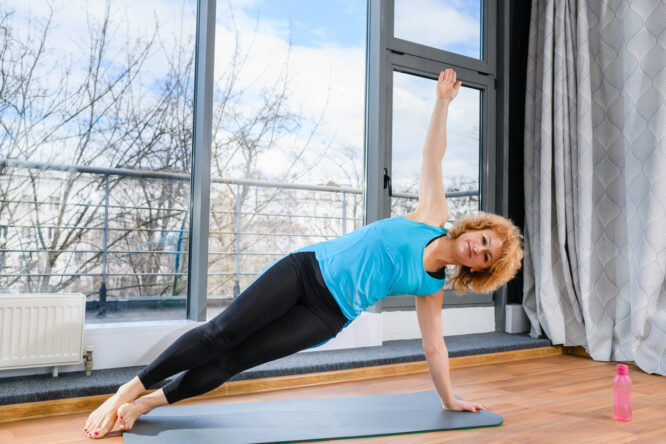
Strengthening the core improves gut function.
Pilates is known for its focus on the core, and a strong, supportive core can have knock-on effects for digestion. Better abdominal tone helps with posture, circulation, and the physical act of digestion, especially in terms of gut motility. Movements that work the deep abdominal muscles also stimulate the organs lying beneath. That added engagement can gently encourage your digestive system to function more efficiently, especially if you’ve been sedentary or bloated.
Forward folds can soothe an overactive stomach.
Yoga poses like child’s pose, standing forward fold, or knees-to-chest create a resting position for your digestive system. These are especially helpful when your stomach feels upset, gassy, or unsettled. By folding inward and slowing your breath, your body naturally calms itself. These poses signal to the nervous system that it’s safe to relax, often enough to ease cramps, nausea, or that churning feeling in your belly.
Movement improves circulation to the gut.
Low-impact movement in both yoga and Pilates helps increase overall circulation, including to your digestive organs. Better blood flow means more oxygen and nutrients are reaching your gut, which supports healing and better overall function.
Even light, repetitive movements, such as cat-cow stretches or gentle leg lifts, can improve the delivery of blood to your stomach and intestines. That circulation boost can make a difference, especially after long periods of inactivity or post-meal sluggishness.
Mind-body awareness helps identify food triggers.
Practising yoga and Pilates regularly tunes you into your body’s signals. As time goes on, you may become more aware of how certain foods affect you, how stress shows up in your gut, or when your posture is contributing to discomfort. A bit of heightened body awareness can lead to smarter, more intuitive choices around food, rest, and movement. It’s not just about the exercises. It’s about building a stronger feedback loop between your gut and your brain.
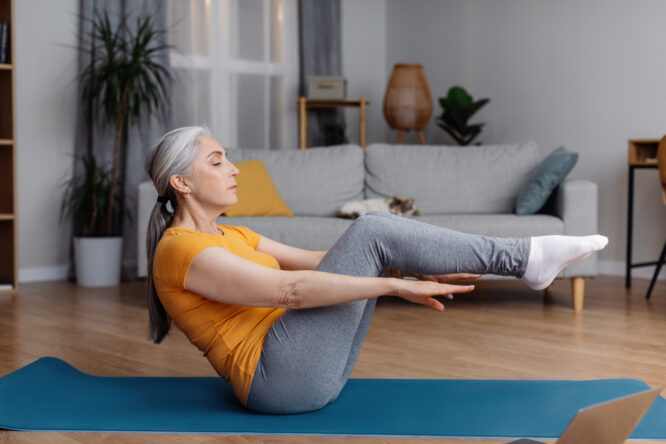
It encourages a routine that supports digestion.
Both Pilates and yoga tend to involve consistent, low-impact routines. That regularity helps regulate your body overall, including digestion. The gut loves routine, and it works best when you eat, move, and rest in a somewhat predictable pattern. By practising a few times a week, especially in the morning or late afternoon, you may find that your digestion naturally improves alongside the rhythm of your movement routine. It’s a soft but powerful way to support internal balance.
It helps reduce abdominal tension.
We often carry stress in our bellies, tightening our abdominals without realising it, which can contribute to digestive discomfort. Many yoga and Pilates movements help release this tension through stretching, breathing, and mindful engagement of the core. As you soften and stretch your belly during poses or exercises, you also send a signal to your gut that it’s safe to relax. This can be especially helpful if bloating or tightness is part of your everyday digestive pattern.
It helps restore balance after overeating.
When you’ve overindulged or eaten something that didn’t sit well, movement can help reset your system without being harsh. Poses like legs-up-the-wall or gentle Pilates mat work can ease pressure and help your body process the meal more efficiently. Instead of beating yourself up or trying to “burn it off,” these practices allow you to respond with kindness. That change in attitude alone can lower the internal stress response and support your digestive system’s ability to recover naturally.