Feeling safe while going about your day used to be something most people didn’t think twice about.

However, in the UK, a growing number of people, women especially, are subtly changing the way they live, travel, and socialise because that sense of safety just isn’t what it used to be. These routine changes might seem small on the surface, but they say a lot about how people are adapting to feeling more vulnerable in everyday life. Whether or not it’s actually less safe in Britain is up for debate, but the feeling is there, and people are reacting accordingly.
1. Avoiding walks after dark
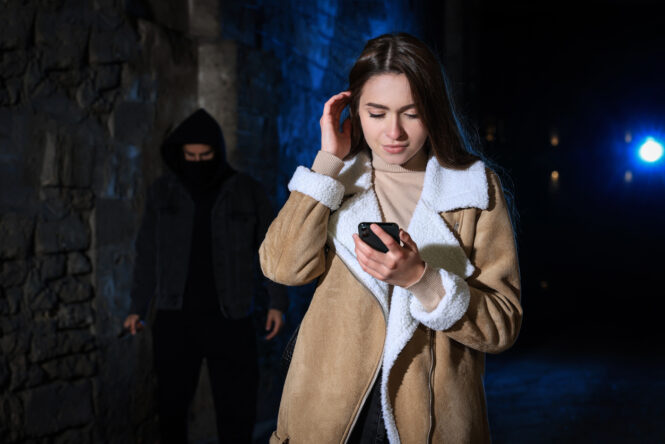
Evening strolls, late-night dog walks, or just heading to the shop after sunset are off the table for many people now. For women in particular, the change is huge—75% say they feel unsafe walking alone at night, with over a quarter feeling uneasy even during the day. What used to be normal has quietly become calculated. People are choosing to stay in once the sun sets, even if it means rearranging their entire day. It’s not just a seasonal habit anymore—it’s become a year-round safety strategy.
2. Taking longer routes through busier areas
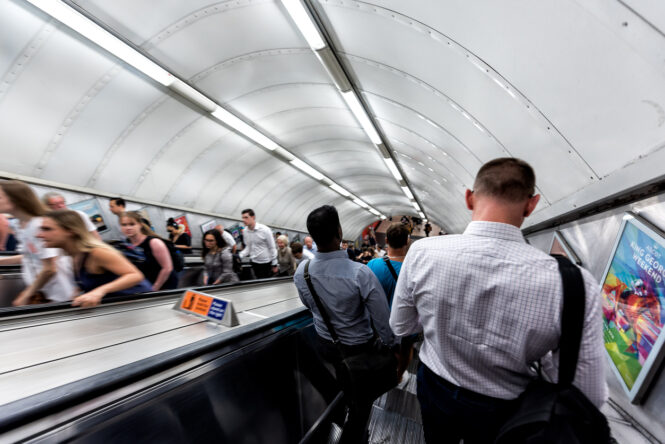
Rather than walking the quickest way home, people are actively rerouting their journeys to stick to well-lit, populated streets. Even if it adds 10 minutes, it’s worth it to feel safer. Avoiding shortcuts, alleyways, and quiet roads is now second nature for many. This habit isn’t just cautious; it’s become the new normal. People plan their routes in advance and memorise the locations of shops or lit-up areas, just in case they need to duck into somewhere quickly.
3. Spending more on taxis instead of walking
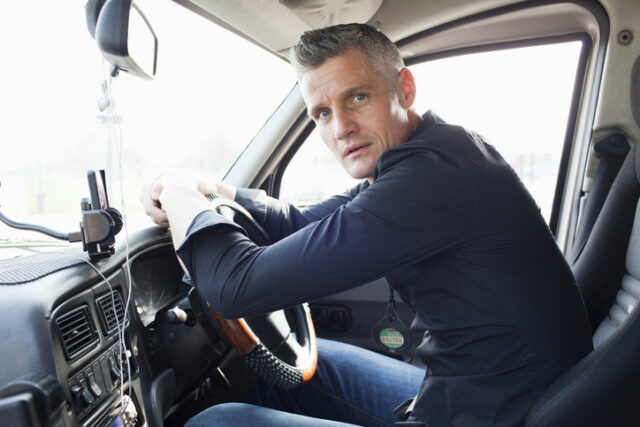
For some, walking or taking public transport after dark just doesn’t feel safe anymore. Instead, people are relying more on taxis or rideshares, even when it stretches their budgets. On average, this switch is costing some around £100 extra per month during winter. It’s not a luxury, it’s self-protection. For those who live alone or work late shifts, it’s often the only way to feel confident getting home, especially in areas where street lighting or transport options are poor.
4. Downloading personal safety apps
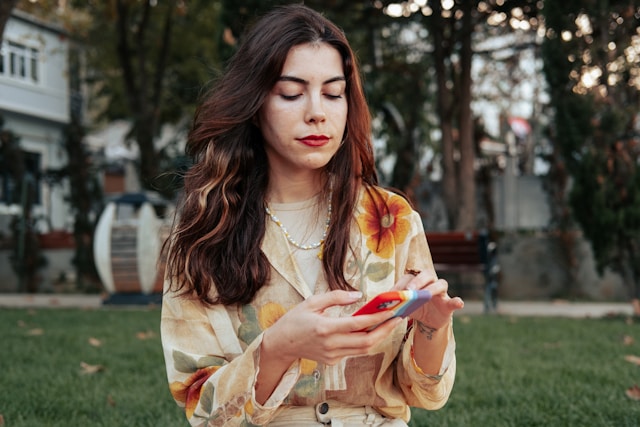
Apps like WalkSafe and Life360 have become essentials for people who walk alone, especially at night. These apps let loved ones track your route, and some even flag recent incidents in your area so you know what to avoid. Downloads for these tools often spike during winter months, when the days are shorter and streets feel emptier. It’s a small change, but an important one—safety tech has become as essential as your house keys.
5. Carrying keys or alarms as a precaution
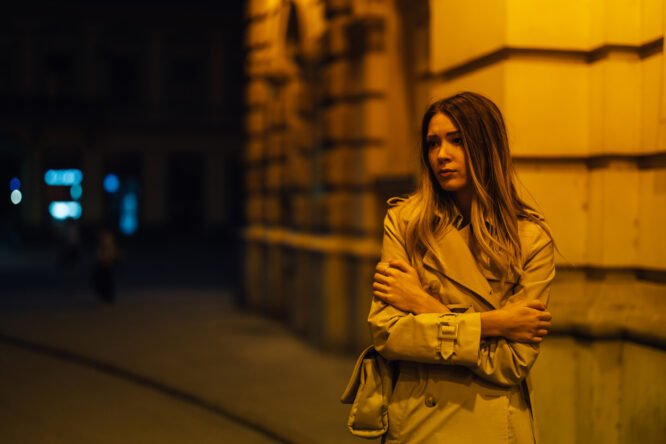
Many women, and increasingly men too, are carrying their keys between their fingers or keeping personal alarms in easy reach. It’s not paranoia, it’s preparation. These habits develop over time, often from watching other people do it or after one close call too many. It’s become almost automatic. Checking that your alarm works or mentally running through your exit plan on the way home has nothing to do with expecting the worst. It’s just what makes people feel more in control now.
6. Calling someone while walking
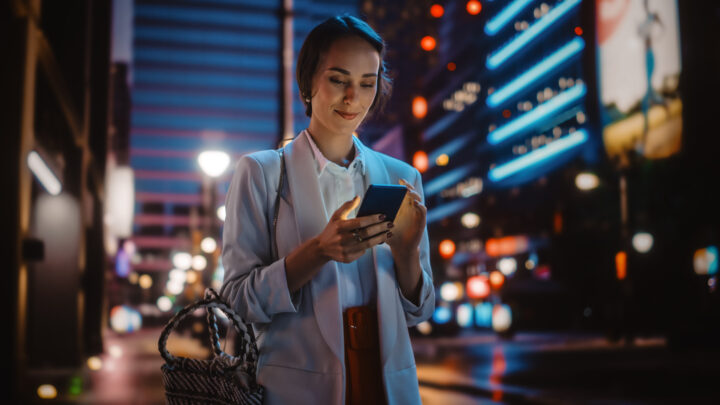
It’s become common to ring a friend, partner, or parent while heading home, even if there’s not much to say. Just having someone on the other end of the phone makes people feel seen, connected, and less at risk. For some, it’s more than comfort—it’s a safety tactic. If something goes wrong, someone’s already listening. It might seem over-the-top to many, but for a lot of people, it’s what keeps anxiety from taking over during a solo walk.
7. Avoiding public transport late at night
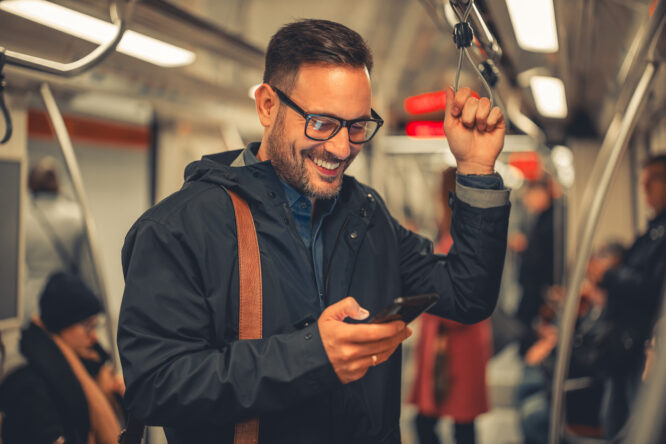
Buses, trams, and late-night trains used to be a practical option, but now, many avoid them completely once it gets dark. Only around a third of women say they feel safe using public transport at night, compared to nearly 60% of men. It’s a change that affects everything—how late people stay out, which jobs they apply for, and how far from home they’ll go in the evening. Safety isn’t just about the journey anymore. It’s shaping the whole day around what happens after.
8. Saying no to evening plans
Social lives are shrinking not because people don’t want to go out, but because getting home afterwards feels risky. Many now decline invites to dinners, gigs, or meetups if they know they’ll be heading back alone. They’re not suddenly antisocial. They’re just doing the mental maths of how late it’ll be, how dark it’ll get, and whether it’s worth the anxiety. The result? More people staying in, not out of choice, but caution.
9. Staying more alert in public

People are ditching headphones, keeping their phone in their hand, and walking with purpose, even in the daytime. There’s a general move toward being “on” all the time, just in case something doesn’t feel right. Even if nothing happens, the pressure to constantly scan surroundings and stay alert is mentally exhausting. For many, it’s no longer about relaxing into the walk—it’s about getting from A to B without letting their guard down.
10. Avoiding remote or isolated paths

Whether it’s parks, canal paths, or quiet back roads, places that once felt peaceful now feel risky. People are actively avoiding these spaces unless they’re with someone else, or it’s broad daylight with plenty of foot traffic. That can mean missing out on exercise, fresh air, or favourite routes. But for a lot of people, it’s not worth the trade-off. Safety is taking priority over routine and well-being in a way that wasn’t always the case before.
11. Planning errands during daylight only

Simple things like popping to the shop, posting a letter, or grabbing something from the pharmacy are now being scheduled for the middle of the day. Once it gets dark, many prefer to stay home, even if it means putting things off. That change isn’t always obvious, but it impacts daily planning in big ways. People are cramming tasks into limited windows, just to avoid that walk home at night, even if it adds stress or means rearranging other parts of the day.
12. Always letting someone know where they’re going

Texting someone before heading out, sharing live locations, or saying “message me when you get home” has gone from polite habit to essential routine. People are making sure someone always knows where they are, just in case. It sounds dramatic, but it keeps people from feeling alone. Even short trips are now logged, shared, and followed up. That sense of being watched over is a subtle but necessary form of security now.
13. Choosing clothing based on escape routes

It sounds dramatic, but it’s real. Some people now choose shoes they can run in or avoid outfits that might draw attention if they’re walking home late. It’s part of the quiet calculations people make to feel a little safer in unpredictable situations. These decisions aren’t about style; they’re about mobility, safety, and peace of mind. The fact that it’s even a consideration shows how deep this change in daily thinking goes.
14. Being hyper-aware of surroundings, even in familiar places
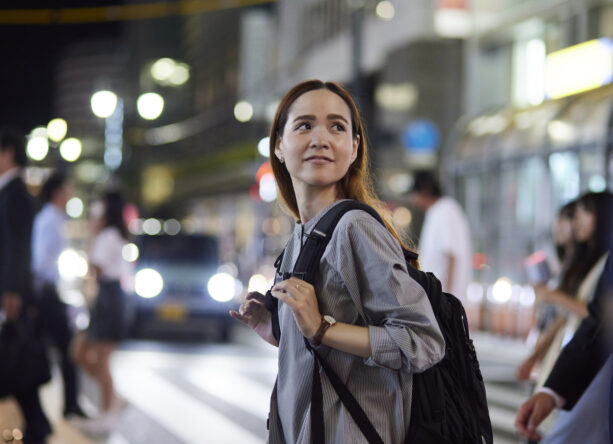
Whether it’s walking through a quiet neighbourhood or waiting at a familiar bus stop, people are staying on high alert. Just because a place feels known doesn’t mean it feels safe anymore. That sort of hypervigilance can wear people down as time goes on. But for many, it’s become part of the mental load they carry every day, just to feel a little more in control in a world that feels less predictable.