Most of us like to think we’re doing our bit for the planet—recycling, bringing a tote bag, maybe eating a little less meat.

However, the truth is, plenty of everyday habits here in the UK still actually undo all those good intentions. It’s not always purposeful carelessness (though it certainly is that from some people at times); sometimes it’s just tradition, convenience, or not realising the full impact of our actions. These behaviours might be normalised here, but they’re actually doing real damage to the planet and should be stopped, or at the very least minimised.
1. Buying meal deals wrapped in plastic

The Tesco or Boots meal deal might feel like a harmless lunchtime staple, but that sandwich, snack, and drink combo usually comes with layers of single-use plastic. Even if you bin it “responsibly,” most of it ends up in landfill or gets incinerated. Recycling isn’t the catch-all solution we’ve been sold. The reality is that the UK’s plastic recycling rate is shockingly low. So that £3.90 meal deal isn’t just cheap as chips, it’s also quietly fuelling plastic pollution with every bite.
2. Overusing tumble dryers
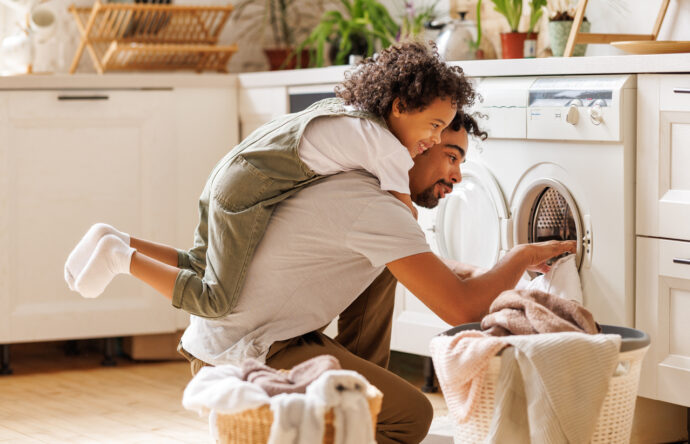
British weather doesn’t always play nice, which makes the tumble dryer feel like a modern-day saviour. However, these machines use a huge amount of energy, and many of us rely on them far more than necessary, even in summer months. Opting for an indoor airer or an outdoor line (yes, even if it takes a bit longer) can dramatically cut down your household energy use. It’s not glamorous, but it makes a real difference, and your clothes will last longer, too.
3. Driving short distances that could be walked

It’s not unusual to jump in the car for a five-minute drive to the shop, school, or even the gym. But these short trips add up, and they’re some of the worst offenders when it comes to emissions, especially if the engine’s still cold. The UK’s car culture, especially in suburban and rural areas, makes this feel normal. Still, if more of us walked or cycled the short ones, the impact on both air quality and personal health would be massive. It’s the small swaps that count.
4. Leaving devices on standby overnight

The little red light on the TV, the blinking router, the humming smart speaker—they all keep sipping electricity even when you’re asleep. It doesn’t seem like much, but across millions of homes, it creates a sizeable energy drain. It’s called “vampire energy” for a reason. Unplugging or using smart plugs to fully shut down electronics overnight is a small, quiet win that adds up fast. Especially during an energy crisis, it’s worth the extra switch.
5. Throwing food away instead of using it up
British households throw away around 6.4 million tonnes of edible food every year. A lot of it’s still perfectly fine, just forgotten in the back of the fridge or binned because it’s past the “best before” date. Wasted food isn’t just a waste of money, it’s a waste of all the water, energy, and resources that went into producing it. Meal planning, freezing leftovers, and actually checking what’s already in the cupboard go a long way.
6. Treating fast fashion as everyday fashion
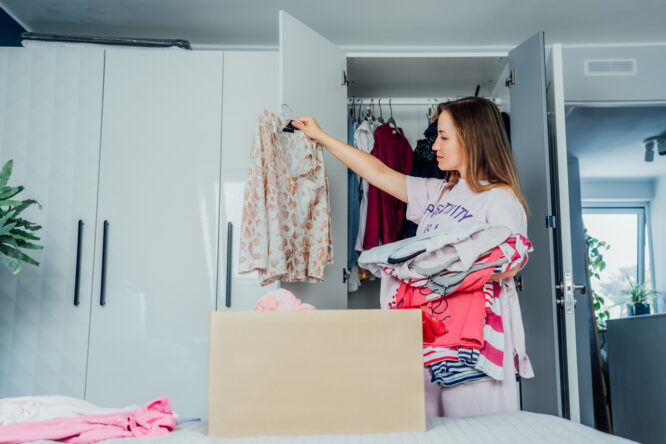
Cheap, trendy clothes from places like Primark or online retailers are still flying off the shelves. But most of those items are made from plastic-based fabrics and won’t last more than a handful of washes before heading to landfill. Even donating them isn’t a perfect fix. Charities are overwhelmed, and tons of it ends up abroad or in incinerators. Slowing down how often you buy, and choosing fewer but better-made items, is still one of the most planet-friendly moves you can make.
7. Flushing “flushable” wipes
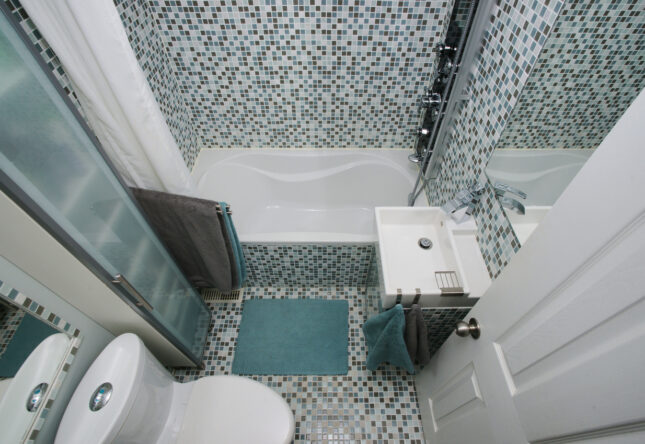
Despite the label, most so-called flushable wipes don’t break down like toilet roll. They clog up pipes, cause massive fatbergs, and pollute waterways with microplastics. Yet, loads of people still think it’s fine to chuck them down the loo. The easiest fix? Don’t flush anything that isn’t toilet roll. Keep a bin in the bathroom, and avoid wipes altogether if you can. It’s not just a plumbing issue, it’s an environmental one that affects rivers and marine life.
8. Flying abroad multiple times a year

Budget airlines and package holidays make it easy to hop on a plane whenever there’s a long weekend. Of course, air travel is still one of the biggest carbon contributors per person, and most of us take far more flights than we actually need to. This doesn’t mean never flying again, but cutting back, especially on short-haul trips that could be done by train, makes a huge difference. Exploring UK-based getaways or slower travel alternatives can lighten your footprint without killing the fun.
9. Relying on bottled water
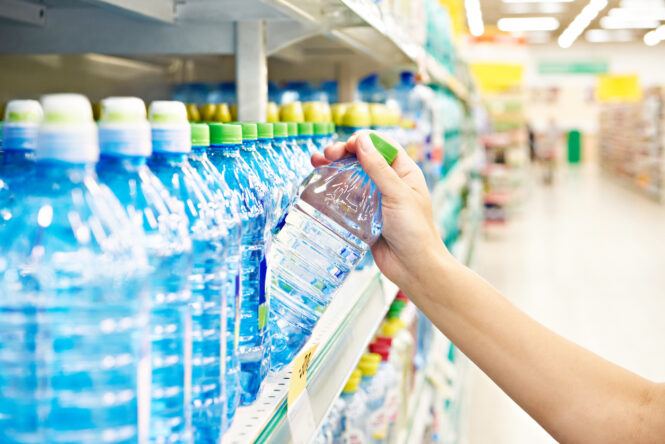
The UK has safe, drinkable tap water in nearly every corner of the country, yet bottled water is still a go-to for millions. Whether it’s out of habit, convenience, or a taste preference, it’s an environmental headache waiting to happen. Plastic bottles take hundreds of years to break down and are one of the most commonly littered items in the UK. A refillable bottle and a tap save money and waste. There’s really no need for the plastic.
10. Buying fruit and veg wrapped in plastic
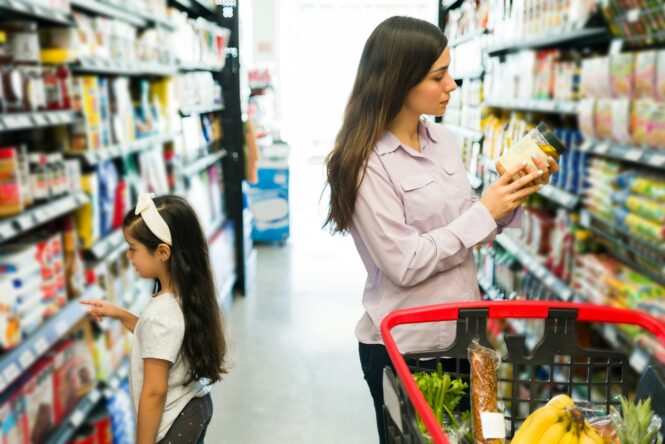
Supermarkets often make it harder, not easier, to shop sustainably. Loose produce is tucked away or priced higher, while apples and peppers come wrapped in unnecessary trays and film. And because it’s convenient, most people just grab the pack. Choosing loose veg (or shopping at markets or refill stores) is one way to push back. The more people opt for plastic-free produce, the more pressure it puts on shops to offer better packaging options across the board.
11. Ordering loads of online deliveries
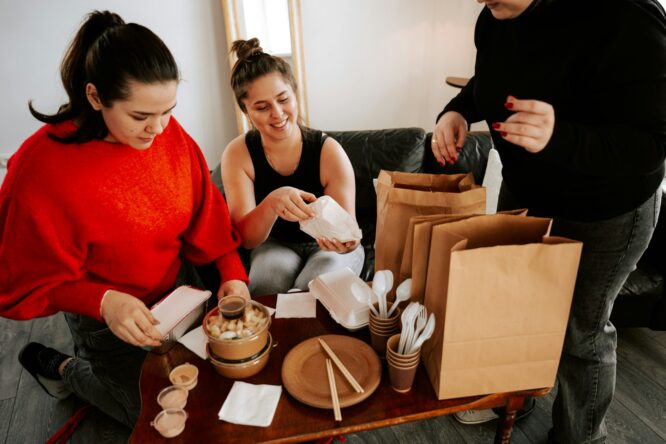
With next-day delivery becoming the default, it’s easy to forget the environmental cost behind it. Each order means transport emissions, packaging waste, and often poorly paid courier labour. Plus, returns usually don’t go back on the shelf—they go in the bin. Ordering less, combining purchases, and choosing slower shipping when you can all help reduce the impact. That doesn’t mean never shopping online, just doing it with a bit more thought and a lot less impulse.
12. Using peat-based compost in the garden
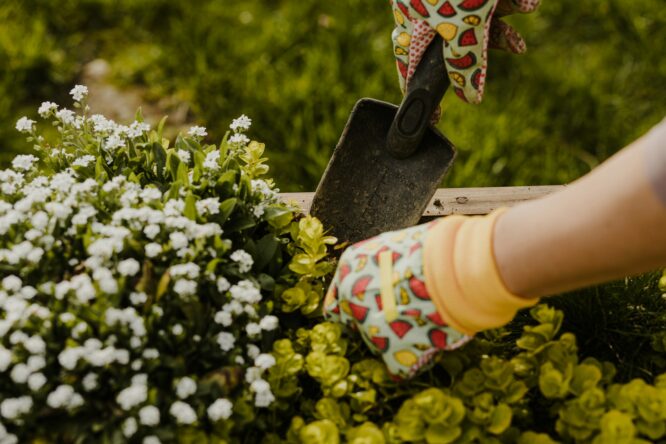
Peat might seem like an innocent gardening staple, but its extraction destroys ancient peatlands that are vital carbon stores. Once dug up, they release massive amounts of greenhouse gases into the atmosphere. Thankfully, peat-free compost is becoming more common, and every switch matters. Whether you’re growing tomatoes or bedding plants, going peat-free helps protect ecosystems that took thousands of years to form.
13. Heating the whole house instead of the room you’re in

Many UK homes are older, draughtier, and harder to heat efficiently. However, blasting the central heating throughout the house, especially in winter, is one of the biggest energy drains. Not only that, but with rising bills, it’s not just bad for the planet—it’s tough on your wallet, too. Layering up, using heated throws or localised heating, and sealing off unused rooms can make a noticeable difference. It’s about being strategic with your warmth, not just cranking up the thermostat and hoping for the best.
14. Treating climate change as someone else’s problem

Possibly the biggest issue of all is the feeling that “I’m just one person, it won’t matter.” That kind of thinking lets governments and corporations off the hook, and stops individuals from making small but powerful changes in their own routines. The truth is, everyday choices add up. None of us can fix everything, but we’re all shaping the future in small, daily ways. The more aware we are of our impact, the easier it becomes to move it in the right direction.