Every family has roles, whether they mean to or not, and if you’re the youngest, there’s a good chance yours was “the funny one.”

While it might feel like just a personality quirk, there’s actual science behind why the siblings born last often become the entertainers of the family. From birth order psychology to survival tactics in busy households, here’s why the baby tends to be the one cracking jokes, and what that says about them underneath all that humour.
They’re competing for attention in a full house.
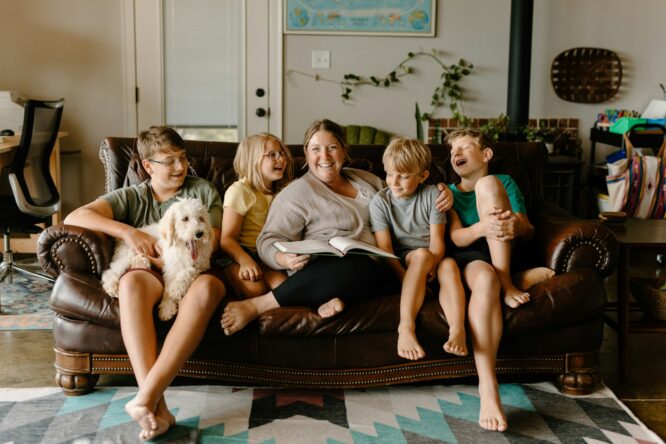
By the time the youngest comes along, parents have usually seen it all, so they’re not as easily impressed by basic milestones. That means the youngest often turns to something a little different to get noticed: humour. Making people laugh becomes a reliable way to stand out and feel seen.
As time goes on, this turns into a kind of social muscle. If they learn early on that being funny gets them attention, approval, or just a moment in the spotlight, they keep using it, sometimes without even realising it’s a strategy they picked up as a kid.
They grow up watching everyone else.
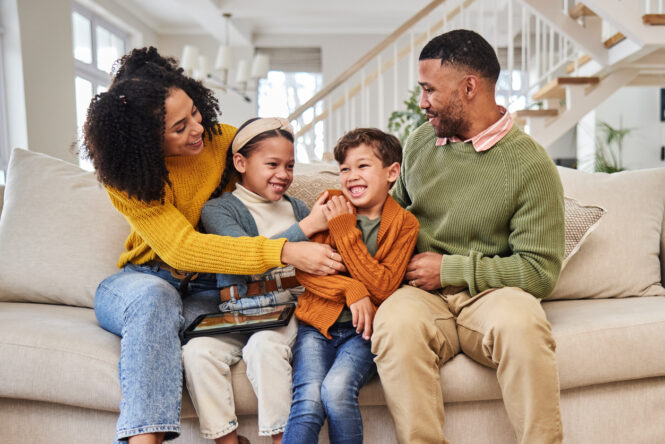
The youngest often has a front-row seat to all the drama, mistakes, and routines of older siblings. That observation builds social awareness, and a sharp sense of timing. Comedy often comes from noticing what other people don’t and saying it in the right moment, which is something youngest siblings are quietly practising from day one.
They learn to read the room early, often because they’re not the centre of it. That mix of watching, listening, and figuring out when it’s safe to chime in gives them a natural edge when it comes to humour.
They’re less weighed down by expectations.

Firstborns usually get the rulebook treatment—structured, monitored, and expected to achieve. By the time the youngest comes along, parents are often more relaxed, which gives the youngest more freedom to explore personality, creativity, and playfulness.
This looser environment creates space for humour to thrive. Without the constant pressure to set an example or live up to rigid standards, the youngest has more room to mess around and discover how being funny works in different social situations.
They use humour to balance power.
Let’s face it, youngest kids are usually smaller, physically weaker, and outnumbered. They can’t win arguments with authority or age, so they learn to win them with wit. Humour becomes a tool for levelling the playing field.
Whether it’s teasing an older sibling or making the whole family laugh at dinner, comedy gives them a kind of soft power. It’s not about control; it’s about finding a way to hold their own in a group where they’re technically the lowest on the ladder.
They’re used to being underestimated.

People don’t expect much from the youngest at first, especially when they’re surrounded by older, more capable siblings. Of course, that’s exactly what gives them space to surprise everyone. Being underestimated often pushes them to sharpen skills in areas other people might overlook, like humour and emotional intelligence.
Cracking a great joke or reading a situation quickly becomes a quiet rebellion. It’s a way of saying, “I’m not just the baby. I’ve got something to add.” And once that gets a good reaction, it sticks.
They develop emotional radar early.
In a house full of older personalities, youngest siblings often become pros at sensing moods, reading tension, and using humour to defuse it. They’re often the ones who lighten the mood during awkward moments, not because they’re trying to be charming, but because it’s how they cope. That sensitivity can turn into a strong comedic instinct. Great humour usually depends on knowing when to speak and when to stay quiet—something youngest siblings get a lot of practice with from a young age.
They’re often encouraged to be the “fun one.”
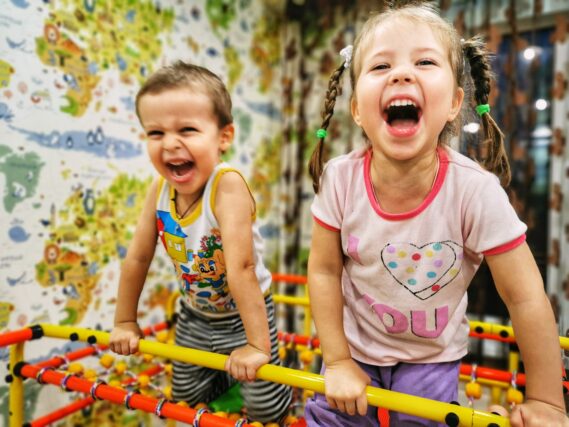
Families sometimes label their kids—“the smart one,” “the athletic one,” “the responsible one”—and the youngest often gets pegged as “the silly one” or “the joker.” Whether it’s intentional or not, that label starts shaping how they behave.
When a kid’s told they’re funny, they lean into it. It becomes part of their identity, and a reliable way to get praise. Eventually, they start to refine it and turn it into something sharper and more effective than people expect from the “baby of the family.”
They’ve had to talk their way out of trouble.
Youngest siblings often learn early on that if they want to avoid being told off, or sneak out of responsibility, they’ll need to charm their way through. A well-timed joke or cheeky smile can soften even the strictest parent. Having constant practice in managing people’s reactions builds quick wit. It’s not manipulation, it’s self-preservation. And it often turns into a genuinely endearing social skill later in life.
They pick up on what makes people laugh.
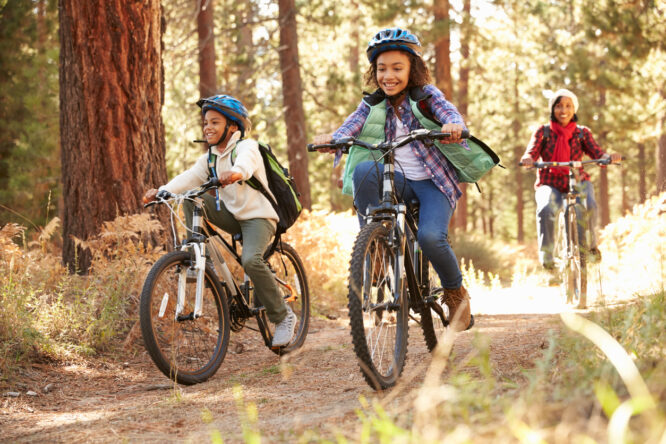
Living with older siblings means getting instant feedback. When they make a joke and it lands, they know it. When it flops, they learn to try something different. That constant back-and-forth builds strong comedic instincts over time. They’re not always the loudest or wildest. Sometimes it’s subtle—timing, tone, or knowing which joke to make around which sibling. That awareness is the foundation of most great humour.
They develop their own lane.

Older siblings often dominate specific roles in the family—sports star, academic achiever, helper. That leaves the youngest looking for something different. Humour becomes their unique space, the thing that sets them apart. They’re not performing, they’re belonging. When you’re not the first to do anything, finding your voice often means finding your personality. And for a lot of youngest siblings, that voice ends up being hilarious.
They’re often more socially outgoing.
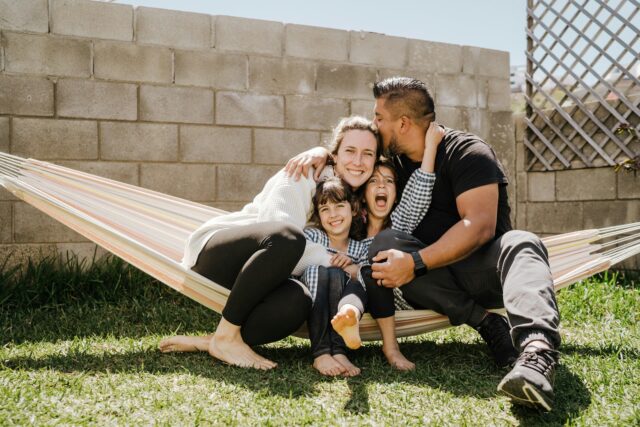
Youngest siblings are usually raised in busy, social households. They get used to noise, chaos, and interaction from day one. That exposure makes them more confident in groups and more comfortable using humour to navigate social spaces. That outgoing streak isn’t guaranteed, but it’s common. Being around older kids from birth means you’re constantly adapting, adjusting, and learning how to make people laugh just to keep up.
They’re less self-conscious.
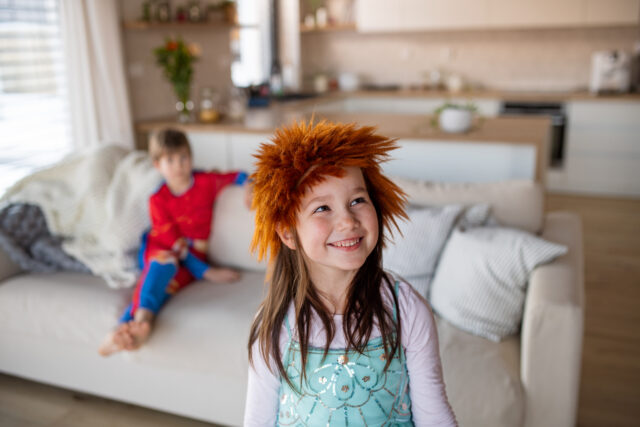
When you’re the youngest, you see everyone else make mistakes before you get your turn. That tends to make you a little braver, or at least a little less afraid to be silly. Humour often comes from that place of not caring as much about looking perfect. They’re less likely to overthink what people think, and more likely to just go for the laugh. That confidence can make them seem fearless, even if they’re not. It’s less about being bold and more about having less to prove.
They use humour as a way to bond.
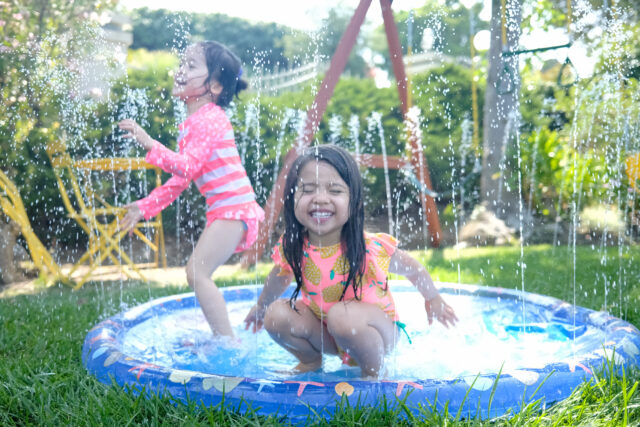
When you grow up trying to keep up with siblings who are older, faster, or more experienced, humour becomes a powerful way to connect. A well-timed joke can bridge an age gap quicker than anything else. Making people laugh is a way to feel part of the group, even if you’re smaller or newer. That bonding tool sticks with them as they grow up, making youngest siblings more likely to use humour to form close relationships.
The science says they really are funnier.
Studies on birth order actually back this up. Research from YouGov found that youngest siblings are more likely to describe themselves as “funny” and be described that way by other people. It’s not just anecdotal; it’s measurable. Of course, it doesn’t mean every youngest child is a stand-up comic. But it does suggest that the environment they grow up in naturally supports the development of humour, quick thinking, and emotional flexibility—all things that make someone genuinely funny.