There’s a noticeable change happening, and it’s not just in our heads—older people today aren’t quite what they used to be.

They’re dressing differently, moving differently, and often living with more energy and curiosity than previous generations did at the same age. From sixtysomethings running marathons to retirees embracing tech and TikTok, the idea of what “old” looks like is getting a quiet rewrite. This change isn’t just cosmetic, either; it reflects deeper changes in how we age, what we expect from life, and how society is finally starting to unlearn some tired assumptions.
Ageing no longer means slowing down.

People in their 60s, 70s, and even 80s are staying active, not because they’re defying age, but because they don’t see it as a stop sign anymore. Whether it’s hiking, swimming, or just walking everywhere, movement is now something older people claim for themselves instead of giving up on.
As a result, health spans are stretching. Not everyone can avoid illness or injury, but there’s a rising trend of older adults investing in strength, stamina, and flexibility, often more seriously than they ever did when they were younger.
Retirement doesn’t mean fading into the background.
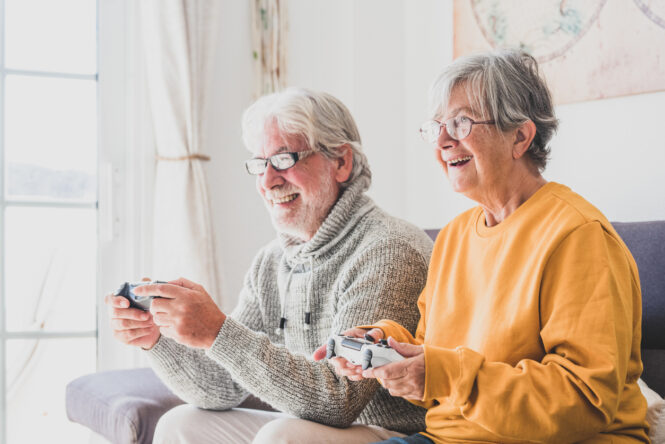
For a growing number of people, retirement is less about winding down and more about switching gears. Whether they’re launching second careers, consulting, freelancing or volunteering, many older adults are staying mentally and socially active long past the traditional cut-off.
This new take on retirement gives people purpose and structure, not to mention an income boost. The idea that you work for 40 years and then just “rest” no longer fits the mindset of people who’ve still got ambition and curiosity left in the tank.
They’re embracing tech, not resisting it.
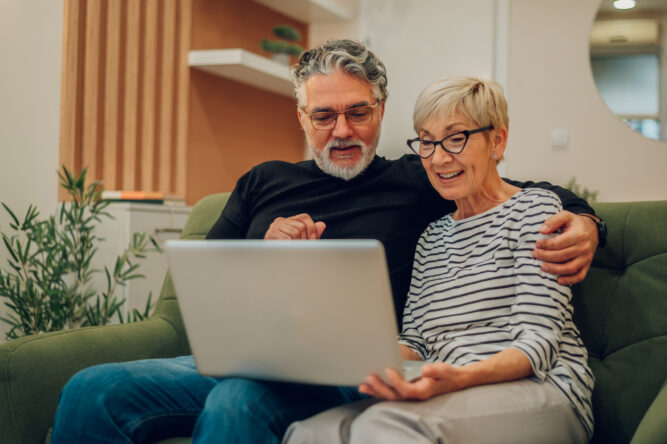
There was a time when older generations were painted as totally lost when it came to smartphones or social media—but that image is wearing thin. Plenty of people over 60 are using apps, streaming shows, and messaging on WhatsApp with the same ease as anyone else. They’re not just catching up, they’re adapting. From video calls with grandkids to YouTube yoga classes, older people are proving that tech isn’t just for the young. It’s for anyone willing to stay connected and curious.
Personal style has no expiry date.
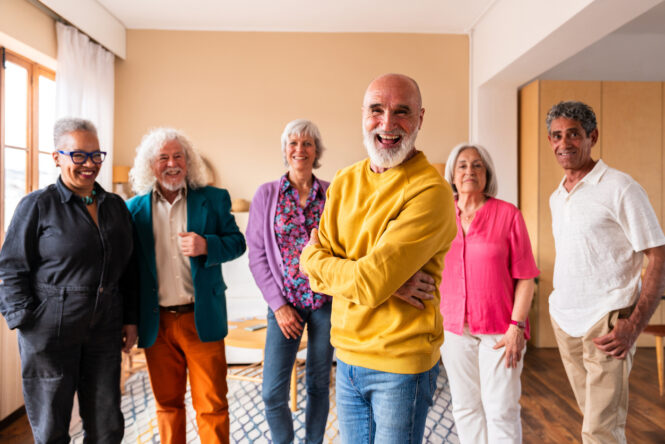
Gone are the days of beige cardigans and sensible shoes defining older age. Many older adults are expressing their style more freely—colour, denim, tattoos, piercings, and hairstyles that don’t care about what’s “age-appropriate.” Fashion is increasingly about individuality, not age brackets. That freedom to dress how you like, even in your 70s or 80s, is part of the broader cultural shift that’s redefining what growing older looks and feels like.
Mental health is on their radar now.
Older generations didn’t grow up talking about therapy, anxiety, or emotional burnout, but that’s changing. More people over 50 are now acknowledging past traumas, getting counselling, or learning to prioritise emotional well-being. It’s not just a trend; it’s a reckoning. Many are realising that it’s never too late to unpack long-held pain or rewire emotional habits. That kind of inner work used to be rare in older age, but it’s becoming a lot more common, and more respected.
Relationships don’t follow the old rules.
Marriage at 22, forever? Not always. Older people are divorcing, remarrying, dating later in life, or happily choosing independence. The pressure to follow one script has eased, and more people are creating relationships that suit who they are now, not who they were decades ago.
Whether it’s falling in love at 65 or deciding they’re done with romance entirely, older people are owning their relationship paths. That freedom to rewrite the story has made this stage of life more expansive than restrictive.
They care more about how they feel than how they “should” be.
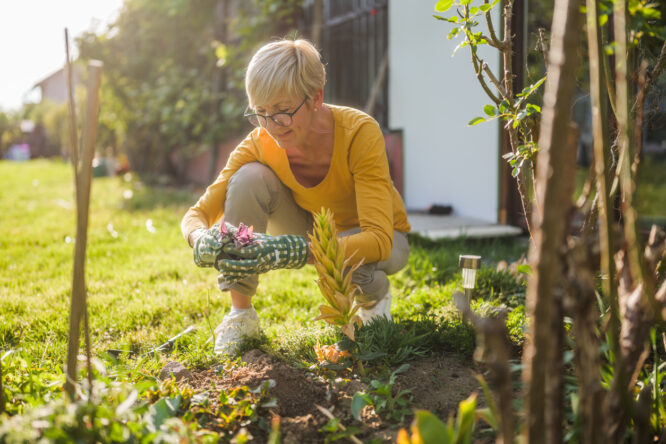
Today’s older adults are less driven by appearances and more focused on how things feel. It’s less about “looking young” and more about feeling well, moving freely, and living with meaning. This change shows up in everything from exercise routines to skincare habits. They’re more interested in energy, sleep, and emotional clarity than in pretending to be thirty. Honestly, that’s a healthier kind of youthfulness.
They’re learning new things for the fun of it.
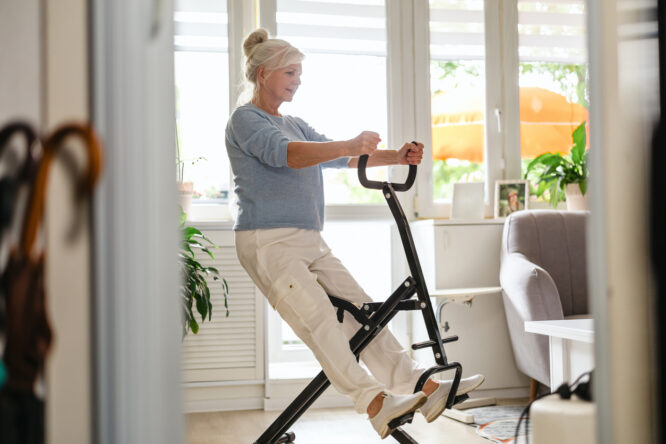
From learning a new language to picking up an instrument, older adults are leaning into hobbies that spark curiosity rather than just passing the time. Lifelong learning has become a real part of how they live, not just a buzzword. With more access to online classes and community workshops, it’s easier than ever to stay mentally engaged. For many, retirement has become the first real opportunity to explore all the interests they never had time for before.
They don’t feel the need to prove anything.
One of the most freeing parts of getting older is shedding the pressure to impress everyone. Older people today often care less about chasing status and more about enjoying life on their terms. This mindset leads to more authenticity. Whether it’s saying no without guilt, wearing what they want, or speaking their mind, there’s a confidence that comes from not needing constant validation.
Friendships are deeper, and more chosen.
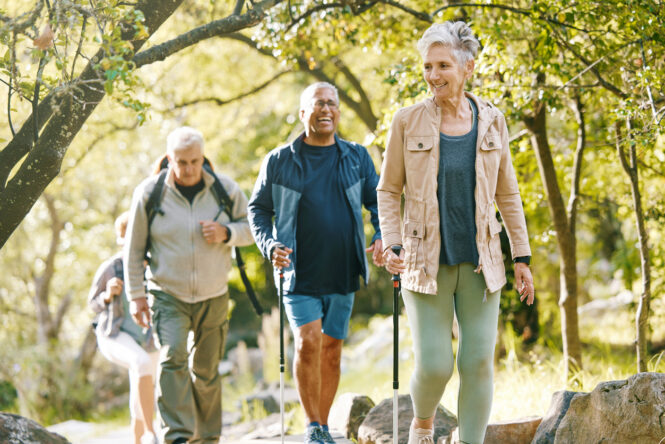
As people age, their social circles tend to shrink, but not in a bad way. Many older adults become more intentional about who they spend time with, gravitating toward friends who are honest, fun, and emotionally safe. There’s less patience for drama, competition, or surface-level connections. Friendships in later life tend to be more nourishing, grounded, and built around real shared values instead of convenience or obligation.
Health care is more proactive than reactive.
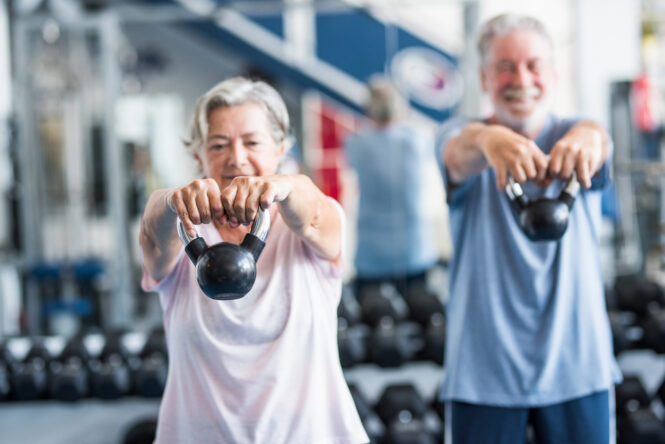
There’s a growing trend of older people taking control of their health. They’re getting regular screenings, staying on top of fitness, managing stress, and even experimenting with diet changes that improve how they feel day to day. They’re not waiting for a crisis to start paying attention. That proactive mindset is helping people stay mobile, sharp, and engaged longer than ever before, and it’s reshaping what “healthy ageing” even looks like.
Grandparenting looks completely different now.
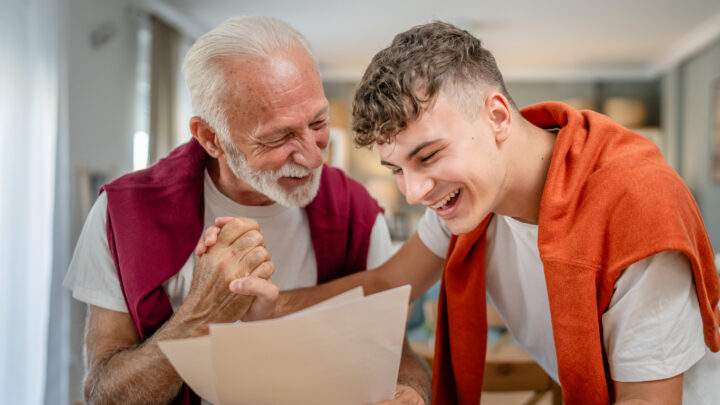
The modern grandparent doesn’t always look or act like the stereotype. Today’s grandparents might be travelling, running side businesses, or working full-time jobs while still staying close to the grandkids in fresh, hands-on ways. They’re often more open-minded, more tech-savvy, and more present than past generations. It’s less about being a distant authority figure and more about being a friend, mentor, or safe space in a fast-moving world.
Travel is becoming a lifestyle, not a reward.

Older people are no longer waiting until their 80s to take a cruise or visit the places they’ve dreamed about. More are travelling in their 50s, 60s, and 70s, not to tick off a bucket list, but because they want to experience the world while they can still enjoy it fully.
With remote work, flexible pensions, and better health, travel is becoming an active part of retirement, not a once-in-a-lifetime treat. That wanderlust is just another sign of how ageing is expanding, not shrinking, people’s lives.
Conversations around ageing are changing.
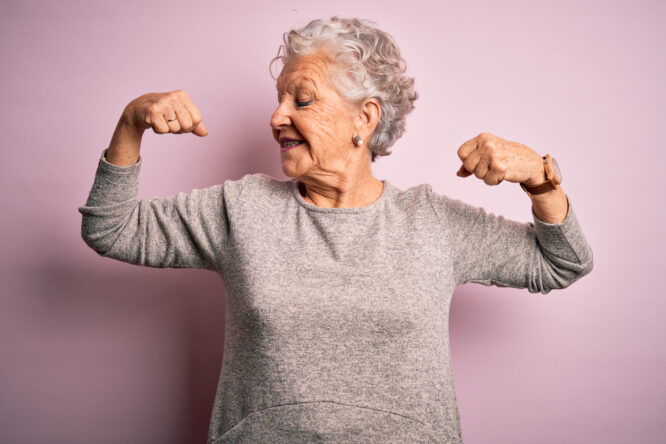
People are pushing back on the language used to describe growing older. Terms like “still active” or “young at heart” can feel patronising, like older people are only impressive when they act younger. There’s a growing appetite for more honest, nuanced conversations about ageing that don’t rely on flattery or denial. Older people want to be respected not for defying their age, but for living it fully, however that looks.
They’re showing younger generations what ageing can look like.
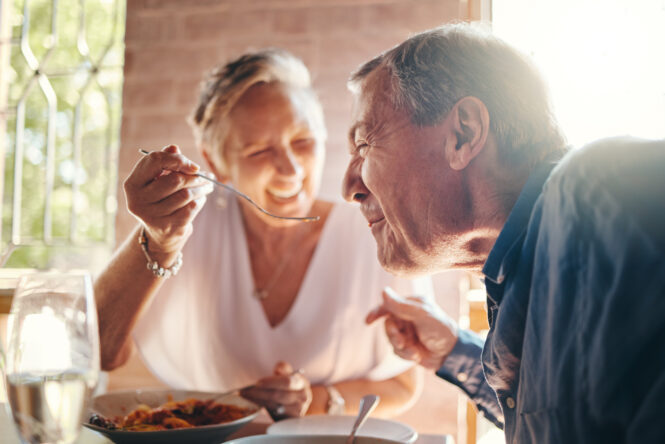
The most powerful part of all this? The ripple effect. Younger people are watching their parents and grandparents age with more confidence, freedom, and vitality, and it’s changing what they expect for their own futures too. Instead of dreading ageing, many are starting to see it as a second (or third) act. The idea that life peaks in your thirties is getting old, and it’s the older generation leading the charge in proving that.