Most waiters are pros at keeping a straight face, no matter what you throw at them.

However, that doesn’t mean they aren’t quietly gritting their teeth at certain behaviours. Whether it’s unspoken etiquette, weird habits people don’t realise are annoying, or just a general lack of awareness, there are some things that drive staff up the wall, even if they smile through it. If you’ve ever worked in hospitality, you’ll recognise a few. If you haven’t, now’s your chance to stop being that table.
1. Saying you’re ready to order when you’re absolutely not

There’s nothing more frustrating than someone waving a server over, insisting they’re ready to order, only to then spend the next five minutes staring at the menu like it’s a puzzle from The Da Vinci Code. During a busy shift, every second counts, and these false starts just slow everything down for everyone else waiting behind you.
It’s fine to need more time, just say so. No one’s rushing you out the door. But pretending you’re ready when you’re clearly not is a guaranteed way to throw off the flow of service. You’ll still get your meal, but the kitchen and staff are now running late for no good reason.
2. Clicking, whistling, or waving to get attention
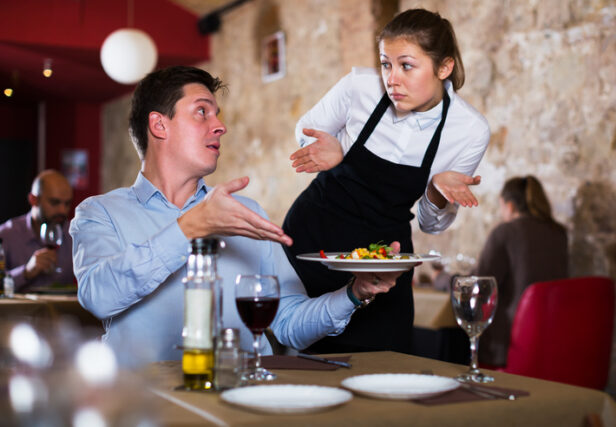
Waiters aren’t circus animals or voice-activated robots. Clicking your fingers or waving dramatically across the room is rude, and it puts people on edge. Most of the time, they’ve already clocked that you need something and are just trying to get to you in order. You don’t need to put on a performance.
If it’s genuinely busy, and you’ve been waiting a while, a polite head nod or gentle eye contact does the job. Anything else just makes things awkward and, frankly, unnecessary. Staff are humans, not summonable genies.
3. Asking for “off-menu” requests like it’s no big deal
Some substitutions are fair game: think no onions, dressing on the side, allergies, that sort of thing. But when someone starts trying to build an entirely different dish from scratch or ordering things the restaurant doesn’t even offer, it gets tricky. Kitchens are built around flow, not bespoke creations for every table.
Your fussiness isn’t necessarily the issue, it’s the assumption that staff can just whip up anything on a whim that causes problems. If a request is doable, they’ll usually try to help. However, treating it like a basic expectation just slows everything down and puts pressure on both the kitchen and the person serving you.
4. Letting your kids run around the restaurant
No one expects kids to sit like statues, but letting them sprint between tables or play tag near the kitchen door is a serious hazard. Waiters are carrying hot food, heavy trays, and glassware. One collision and someone’s going home with burns, or worse.
If you wouldn’t let your child run through a hotel lobby with scissors, don’t let them loose in a busy restaurant during service. They’re not anti-kid for wanting you to consider basic safety and respect for the people trying to do their job without tripping over a five-year-old.
5. Talking on the phone while ordering
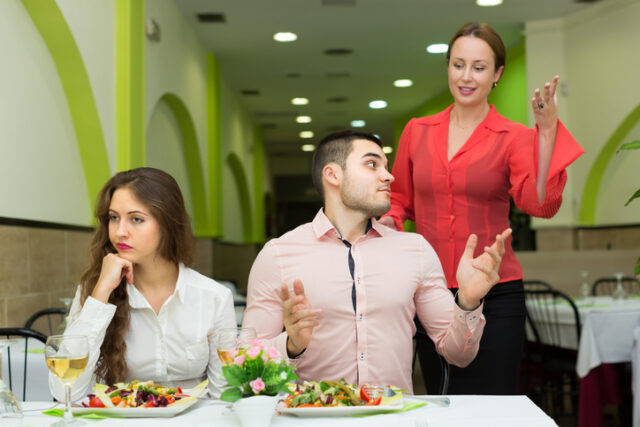
It might not seem like a big deal, but placing an order while on the phone is guaranteed to frustrate whoever’s serving you. It slows everything down, leads to miscommunication, and frankly, it’s just a bit dismissive. You’re interacting with another person, so put the call on hold for 30 seconds.
No one expects you to hang up forever, but if you’re mid-chat while pointing vaguely at the menu or mumbling your order, don’t be surprised if the wrong thing turns up. It’s not that staff aren’t listening; it’s that you weren’t actually speaking to them.
6. Ignoring the specials, then asking, “What’s good?”
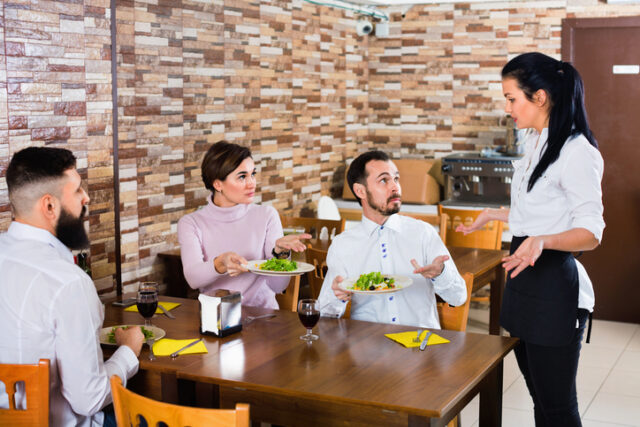
Every waiter has had this moment: they rattle off the specials, maybe even with a bit of enthusiasm, only to be met with blank stares… followed by someone asking, “So, what do you recommend?” It’s baffling, honestly. They’ve just told you what the kitchen’s excited about today.
It’s fine if none of the specials appeal. But pretending you’re interested in their input while clearly not paying attention just feels a bit deflating. Most staff will gladly tell you what’s popular or personal favourites, but they’ll appreciate it a lot more if you actually listen to what they’re already offering.
7. Leaving a huge mess “because someone else will clean it”
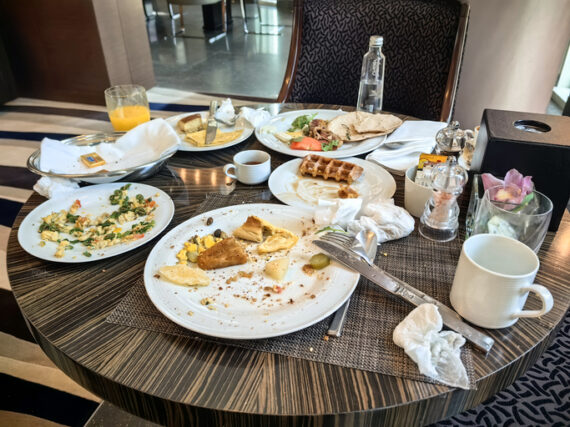
Yes, clearing tables is part of the job, but there’s a big difference between a normal meal and a war zone of crumpled napkins, smeared ketchup, and half-chewed food scattered everywhere. When people leave their space looking like a toddler tornado hit it, it’s not just gross, it’s a time-sink.
You don’t need to stack plates or scrub the table. Just a little consideration goes a long way. Piling everything into one sticky heap or letting your kids tip salt all over the floor is inconsiderate, and it makes an already fast-paced job unnecessarily harder.
8. Saying “I’ll have the chicken” with zero context

Menus often have multiple chicken dishes. Saying “I’ll have the chicken” with no other details forces the waiter to play guessing games, especially if they’re juggling four other tables at the same time. Just add a few words. “The grilled chicken sandwich,” “the chicken curry,” “the Caesar with chicken”—any kind of clue helps. You’ll get the right order faster, and they won’t have to pretend they memorised your whole table’s thought process.
9. Splitting the bill in overly complicated ways
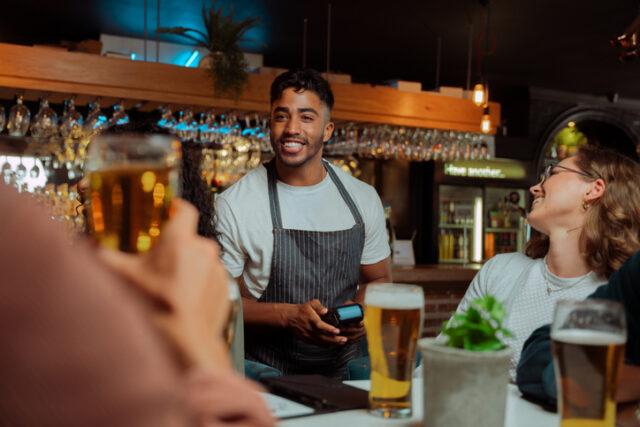
Splitting the bill isn’t a problem. It’s when it turns into a maths lesson with one person paying in coins, another with three cards, and someone trying to Monzo their mate while staff stand awkwardly by that it gets painful. Especially when it’s a busy night and the till’s backed up.
If you’re planning to split, figure it out before the end. Know who’s paying for what, or just split it evenly to save time. The longer it takes to sort out the bill, the less time staff have to serve other people, and you’ll feel the tension whether they say it or not.
10. Treating the waiter like they’re invisible
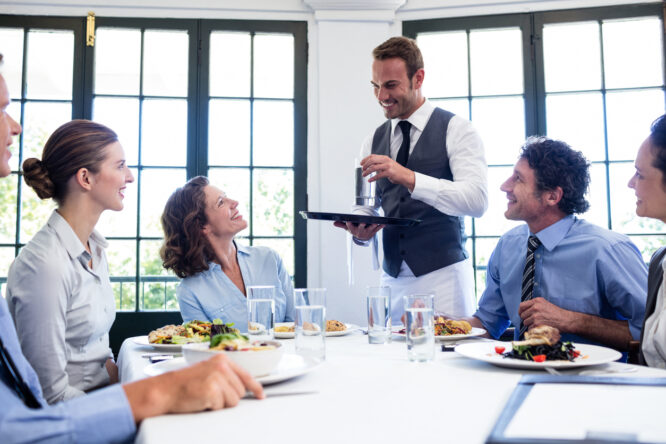
It’s wild how many people don’t make eye contact, say please, or even acknowledge their server at all. Saying “thank you” when your food arrives shouldn’t feel optional. It’s the most basic form of respect, and it makes a massive difference to someone who’s likely been on their feet for hours.
You don’t have to overshare or be overly chatty. But a bit of basic politeness reminds your server they’re not just part of the furniture. The people who treat staff like they’re invisible are always noticed, and not in a good way.
11. Sitting for ages after closing
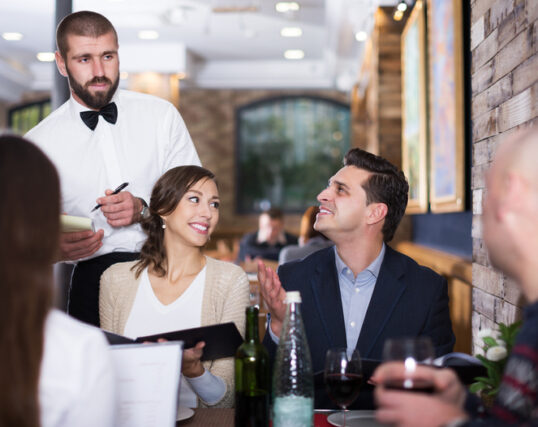
Once the lights dim and chairs start going up, that’s your cue. Staff can’t clock out until the last table leaves, which means sitting there nursing one drink long after closing isn’t just awkward, it’s delaying someone’s chance to finally go home. And no, tipping extra doesn’t really make up for it.
If you’re the last table, no one’s going to rush you out rudely. But that quiet waiting you feel? That’s real. Most waiters won’t say it, but when closing time hits, all they want is for you to wrap it up so they can clean, cash out, and rest their aching feet.
12. Arguing over mistakes they didn’t make
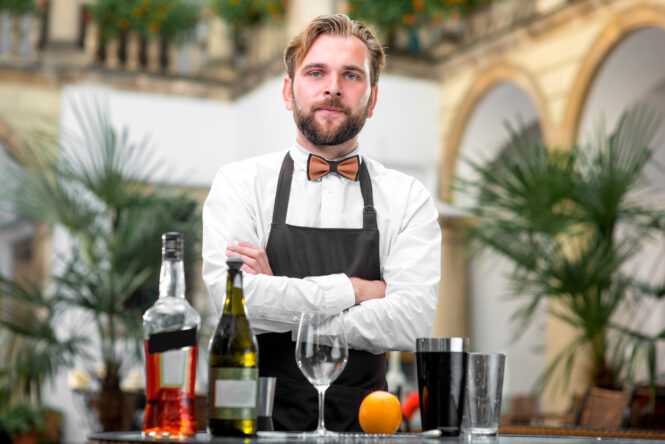
If the kitchen got your order wrong, your server will usually do everything they can to fix it. But yelling at them like they personally ruined your evening doesn’t help. They’re the messenger, not the one who mixed up the side dish or forgot the sauce.
Be clear, not aggressive. Most staff genuinely want you to have a good meal, and they’ll bend over backwards to sort it if you let them. But if you start off by raising your voice or throwing blame, it makes it harder to help, and makes everything more tense for everyone involved.
13. Snapping at them like they’re beneath you
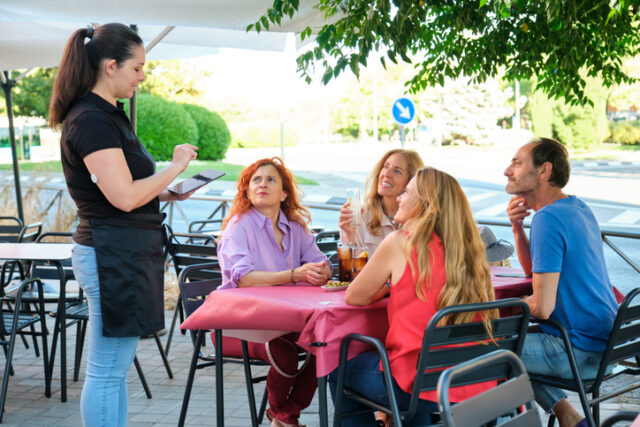
Hospitality isn’t servitude. When people treat waiters like they’re less intelligent, less worthy, or there just to be bossed around, it sticks. That kind of behaviour doesn’t go unnoticed; it just doesn’t get called out to your face. But it leaves a mark, and it says far more about the guest than the server.
There’s nothing wrong with asking for help or pointing out a problem, but the way you do it matters. Kindness doesn’t cost anything, and it’s remembered. So is rudeness. And if you think your tone didn’t matter because the food still arrived? Think again.