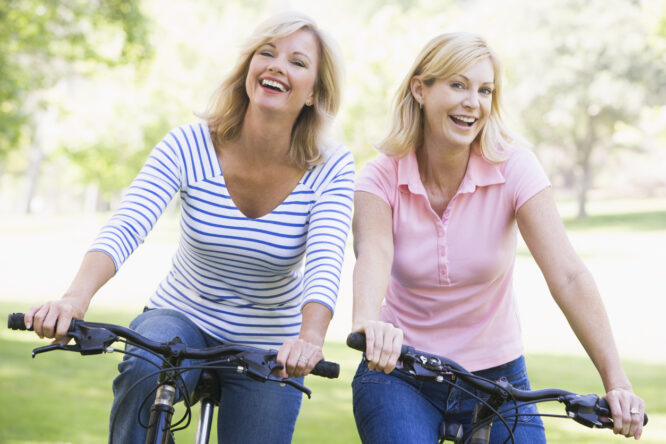
More women in their 40s, 50s, and 60s are taking up cycling, and not just for the workout. It’s become a way to reclaim autonomy, find freedom, and build community in a season when priorities change. Whether it’s rediscovering movement after long stretches of focus on family or work, or finally carving out something just for you, cycling is becoming a go-to. These are some of the big reasons women at this stage of life are embracing it and absolutely loving the ride.
1. It offers freedom and space to think.
Pedalling through quiet streets or parks gives you time to breathe through all the assumptions, responsibilities, and noise. It’s a chance to be alone with your thoughts, with no screens, no deadlines, no interruptions. That deliberate space is rare when life is full, and cycling offers it naturally. The rhythm of your legs becomes a low-key meditation, and suddenly, you’re present instead of just planning the next thing.
2. You experience a boost in confidence and strength.
Learning to switch gears, navigate hills, and handle traffic might feel daunting at first, but it’s surprisingly empowering. Every ride reinforces that your body isn’t just ageing, it’s also still capable of new things. That physical confidence often spills into other areas too. You start trusting yourself more on the road, at work, in relationships. There’s something affirming about pushing a little past your self‑imposed comfort zone.
3. It’s a way of reclaiming joy in movement.
Cycling doesn’t feel like exercise for the sake of exercise; it’s intended motion that transports you. Low-impact cardio often feels easier on joints and muscles compared to running or high-intensity workouts. Instead of associating fitness with punishing workouts, it becomes play. When movement feels like something you want to do, not have to do, it sticks better. That makes it feel less like a “been-there” chore and more like something you look forward to.
4. You get plenty of flexibility with how you ride.
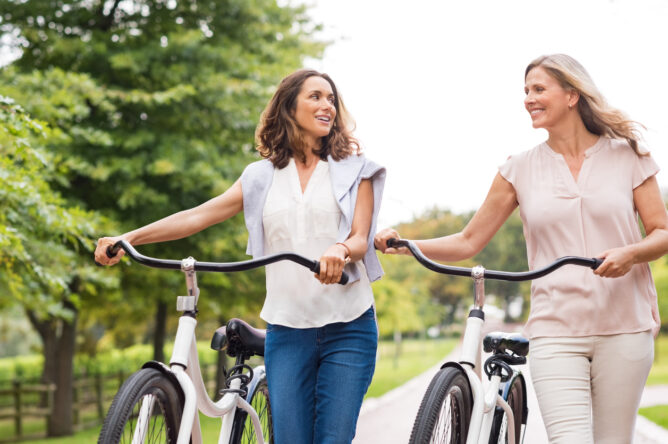
Want a leisurely weekly ride to the café? Bike as transportation? Go solo? Grab a friend? Join a mixed-age group ride? It doesn’t really matter. The pace, distance, and route are all up to you. In the chaos of midlife demands, that flexibility feels rare. Cycling adapts to your energy and schedule. That means you can still ride even when you’re tired, or when life suddenly throws something unexpected your way.
5. You feel a sense of community without needing to fit in.
Bike groups aren’t about matching outfits or hitting A‑race performance. They’re about showing up, exploring together, and genuinely cheering each other on. That vibe tends to attract people who are more interested in connection than competition. In communities that feel friendly and unfiltered, friendships form fast. And when you’re riding next to someone who’s also learning a new rhythm in midlife, there’s an unspoken blend of respect and encouragement that can be rare elsewhere.
6. It offers a mental energy boost without burnout.
If you’ve ever felt too wired or too tired to even think straight, cycling can reset your brain. It gets blood flowing and nerves calming, often better than a second cup of coffee, and without the crash. That clarity doesn’t require hours. Even a twenty-minute ride can change how the rest of your afternoon feels: more grounded, more creative, less reactive. And the mental benefits often outpace the physical gains.
7. There’s a visible sense of progress that comes with it.
Tracking miles, rolling over distances, discovering new routes—cycling lets you see progress literally under your wheels. It’s measurable and personal. And whether you’re going up a hill or riding further than the week before, it’s rewarding to feel that growth.
Seeing improvement in your own effort, even if it’s small, is a tangible thing to lean on. It changes how you treat challenges off the bike, too. You start investing in yourself more consistently because you’ve learned you can gain momentum, no matter where you are in life.
8. It’s a way of reinventing personal identity.
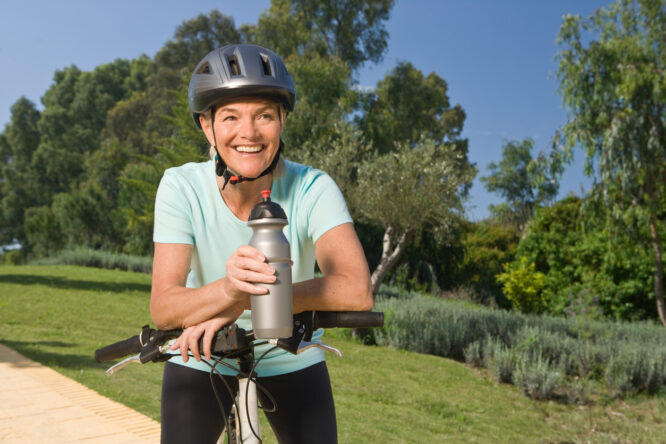
Midlife can prompt a search for identity beyond roles, seasons, and obligations. Picking up cycling can feel like choosing something just for you, not defined by what anyone else expects. That change doesn’t erase the parts of you who’ve worn caretaker hats or pushed projects forward. Instead, it adds resilience. You own movement. You choose liberation. And that ownership subtly rewires how confident and peaceful you feel in the rest of your life.
9. It’s an emotional release you don’t need to talk about.
Some days you ride without realising your shoulders were tense, or your head was spinning. Your body just needs the rhythm of movement to sort itself out. That emotional unpacking doesn’t always need words or therapy. Really, it just needs space and motion.
Cycling becomes something you can lean on when you’re overwhelmed, or even when you just need to shake off whatever’s stuck. The release isn’t always loud. Sometimes it’s just the quiet reset of spinning away what no longer serves.
10. You get better sleep and have calmer evenings.
A morning or late-afternoon ride often leaves your body relaxed enough to actually fall asleep at bedtime, without mandatory melatonin or midnight scrolling jitters. That physical tiredness paired with mental clarity helps your nights stay restful instead of replay loops in your head. And when night’s better, mornings feel less heavy. It’s a small pattern change that can reshape your boundary with stress.
11. It helps you experience connection to nature, even in short bursts.
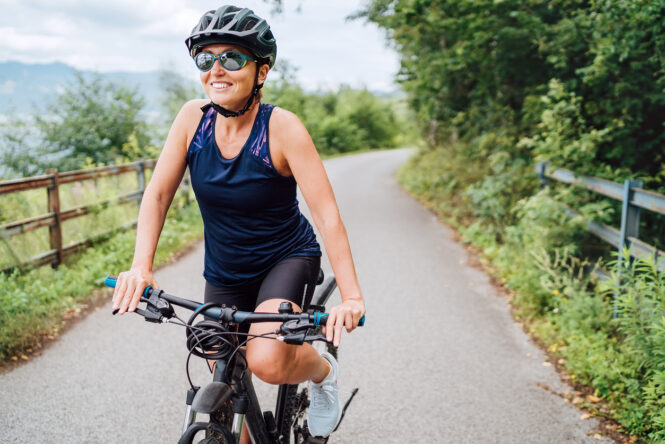
You don’t have to bike deep into the wilderness to feel some peace in trees, sky, or changing seasons. Even urban routes or park lanes are often green enough to slow you down and bring you back to what’s alive outside your head. That gentle immersion in the outdoors doesn’t just boost mood. It also reminds you that life still grows and moves. And for people who are holding a lot inside, that reminder can feel surprisingly comforting.
12. It’s a habit you can keep forever.
Cycling isn’t about peak athleticism or performance; people ride well into their 70s, 80s, or even 90s if their body still feels safe and capable. You’re building longevity, not just fitness. That makes midlife a perfect re-entry point. Instead of chasing what you used to be, you’re choosing something sustainable. Something that moves with you, not fights with your body. And for many, that feels like freedom worth pedalling toward.