The British high street has more empty shopfronts than conversation these days, and it’s not the pandemic’s fault.
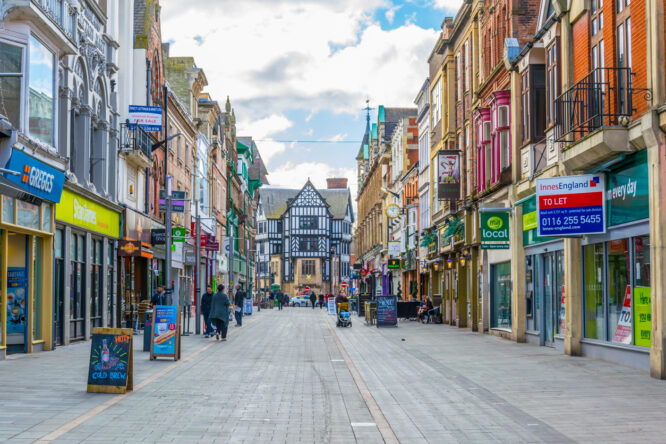
In reality, it’s a mix of economic strain, changing shopper behaviour, and a move toward curated lifestyle spaces over everyday essentials. While there are a few cities and smaller towns managing to make things work, for the majority of the UK, it’s a real struggle. If you’re walking through town in 2025, here’s what you’re really seeing, and why it matters.
1. Massive closures mean independent shops are disappearing fast.
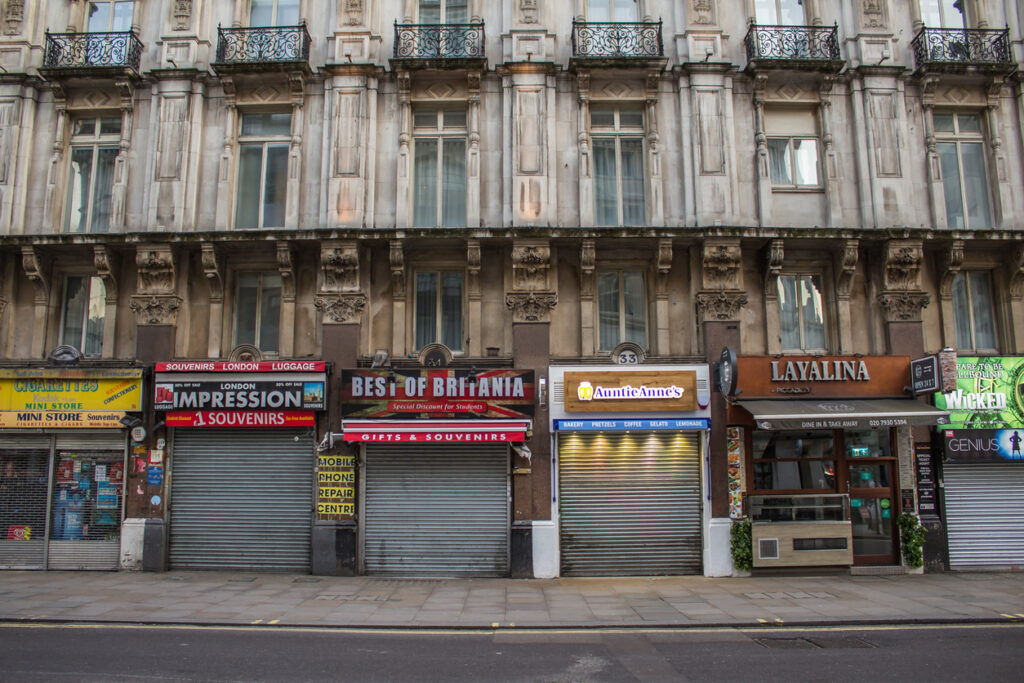
Thousands of UK high street shops have shut in the past year, and even more are expected to disappear this year. Most of those closures are independents, meaning local flavour is being replaced by empty windows and charity shops. It’s not just headlines. It’s real people losing livelihoods, communities losing character, and familiar names disappearing from the high street for good.
2. Footfall is down, even as the economy steadies.

Despite signs that the broader economy is recovering, fewer people are spending time on the high street. There are small rebounds here and there, especially in entertainment and dining, but everyday foot traffic is still noticeably lower than it used to be. The bigger picture? People are choosing to stay home, shop online, or head to retail parks instead, leaving traditional town centres feeling half-empty.
3. Costs are crushing small and medium businesses.
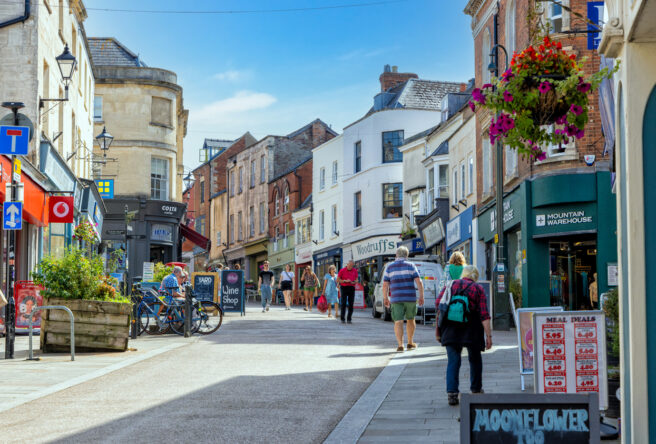
Independent retailers are being squeezed by rising rents, energy bills, and employer costs. Even businesses that turn a profit are finding it hard to survive when overheads keep climbing. Shops that once had a steady local following are now shutting up because the numbers just don’t work anymore. It’s not just niche brands, either. Long-standing household names are scaling back as well.
4. Gen Z and “experiential” retail are changing the scene.
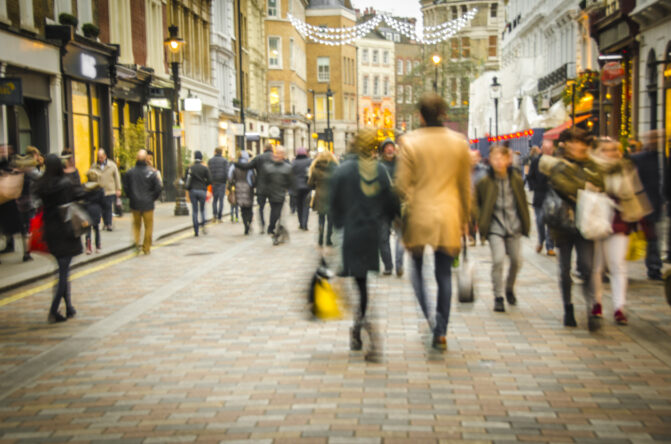
The high street is slowly being replaced by curated, lifestyle-based experiences. You’re more likely to find a boutique wine bar, a yoga studio, or a high-end bakery than a post office or shoe repair shop. This change is largely driven by younger shoppers who want something interesting or “shareable,” but it also means basic services are disappearing from local streets altogether.
5. High street brands are embracing hybrid models.

Retailers are trying to live in both worlds: online and offline. You’ll see more click-and-collect, personalised apps, and in-store tech designed to boost the experience and keep people coming back. However, pulling that off takes money and a strong digital game, which smaller businesses can struggle with. It’s one of the big reasons some are being left behind.
6. Financial exclusion and the end of cash hurt anyone left behind.

With fewer ATMs and more shops going cashless, older and lower-income shoppers are being cut out. For people who still rely on cash, or don’t have access to online banking, shopping on the high street is becoming a real challenge. This isn’t just inconvenient., it’s alienating. Plus, in areas with fewer resources, it makes high street visits feel harder, not easier.
7. Independent enclaves try to protect their identity.

Some towns are actively pushing back against the decline. A few places have put rules in place to keep chain stores out and protect the independent feel that makes a high street worth visiting. However, even those places aren’t immune to rising costs and changing habits. Fighting to keep the high street alive has become an uphill battle, even for communities that really care.
8. Vacancies have become the new normal.
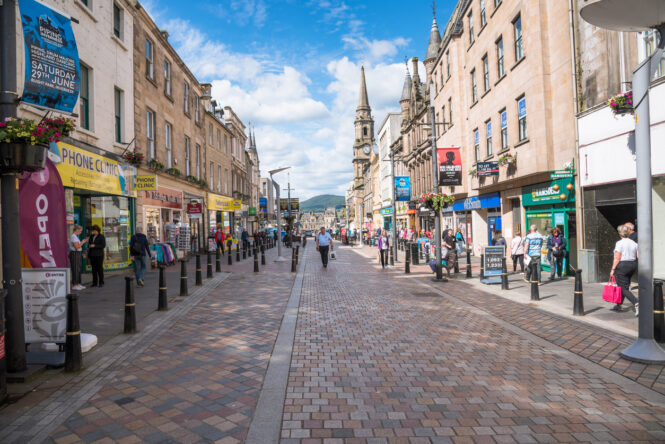
Empty shopfronts aren’t a phase. In fact, they’re starting to feel permanent. A walk through most towns now includes a series of “To Let” signs, boarded-up windows, or spaces turned into temporary pop-ups that never quite stick. The more vacant units there are, the less incentive people have to spend time on the high street at all. It’s a cycle that feeds into itself.
9. Rising inequality shapes who visits the high street.

Some high streets are doing just fine, but they tend to be in wealthier areas where people have disposable income and shops can afford to take risks. In less affluent towns, the decline is sharper and harder to reverse. This growing gap means the idea of a “typical” high street doesn’t exist anymore. Your experience depends a lot on where you live and what the local economy can support.
10. Despite all this, some high streets are evolving sustainably
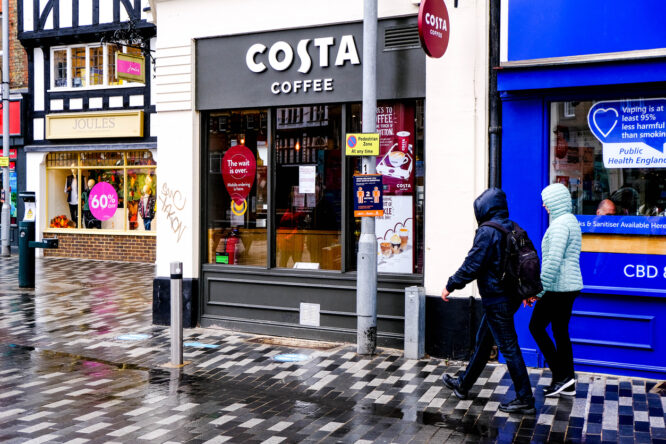
Not every high street is doomed. The ones that are finding new life are doing it by adapting: offering vintage shops, community spaces, local food stalls, and tech that actually adds to the in-person experience. These places are showing that it’s still possible for a high street to thrive. It just needs to be rooted in what people actually want now, not what used to work 20 years ago.