More and more GP appointments are being pushed online or over the phone, and while it’s fine when it works, it’s not always what people want or need.
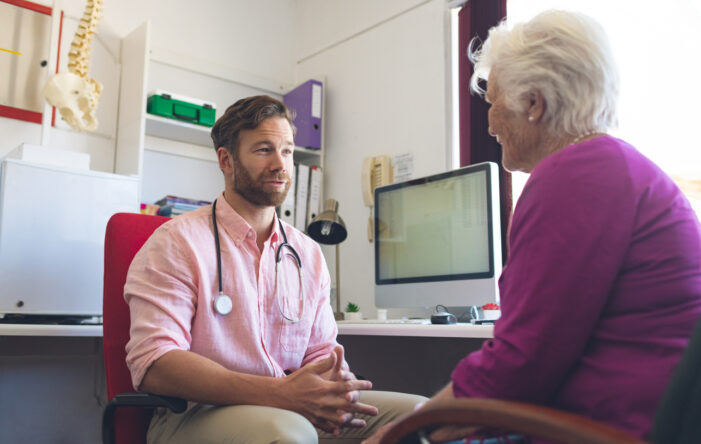
If you’ve ever struggled to get a face-to-face slot or felt fobbed off by a remote consultation, these are the key facts to know about your rights and what you can do if you’re being denied proper care. The bottom line is that if you want to see a GP face-to-face, you should be able to. If you’re not, there are things you can do about it.
You can ask for a face-to-face appointment, and they’re supposed to offer it.

It might not always feel like it, but NHS England guidance says practices in England must offer in-person appointments if that’s what you want. Unless there’s a valid clinical reason (like showing COVID symptoms), your preference should be respected. Some surgeries still make this more difficult than it should be. But if you clearly state you want to be seen in person, they are expected to accommodate that. It’s not a favour, it’s policy.
Remote appointments are convenient, but not always enough.

Phone and video consultations are handy for quick queries, prescriptions, or minor issues. However, they’re definitely not suitable for everything. If a proper exam or physical check is needed, remote chats just don’t cut it. Some symptoms, such as pain in specific areas, lumps, or changes to the skin, can’t be fully understood without being looked at or touched. Relying on a phone call can lead to things being missed or misdiagnosed.
Some patients really struggle with remote consultations.

Children, older adults, and people with mental health or communication challenges often can’t express symptoms properly over the phone. And let’s face it, some people just aren’t comfortable speaking openly unless they’re face to face. That’s especially true for sensitive issues like anxiety, depression, or anything that’s hard to talk about. Seeing a GP in person helps build trust, and makes it more likely you’ll be heard and understood.
You’re allowed to push back if you’re only being offered remote options.

If your surgery is refusing to offer a face-to-face appointment, you don’t have to just accept it. You can explain why it’s important and ask again. If they still say no, ask to speak to the practice manager. There’s also nothing stopping you from filing a formal complaint if needed. The NHS encourages feedback, especially when access is being limited in ways that go against current guidance.
GPs aren’t allowed to make it hard to contact them.

According to the latest survey, around a third of patients said it was hard to reach their GP by phone. But surgeries are meant to have multiple access points—online forms, apps, and yes, the old-fashioned phone call. If you’re being asked to wait hours on hold or can’t find a way to get help, your surgery might be falling short of NHS expectations. You can raise this with the staff or practice manager if needed.
You don’t need to justify why you want an in-person appointment.
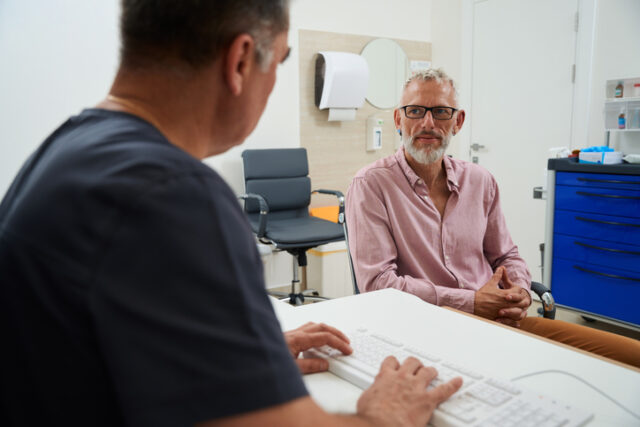
“Because I want one” is actually a valid reason. Of course, it helps if you can explain what’s bothering you or why you think being seen would help—but your comfort and confidence in the appointment also matter. You’re not being difficult or demanding. Instead, you’re making sure you’re getting care that feels right for you. Your voice matters here.
If your condition is urgent, there are other ways to be seen quickly.

If you can’t get a GP slot and things are getting worse, you don’t have to wait it out. You can go to a walk-in clinic, urgent care centre, or even A&E depending on how serious it is. Waiting around for another remote call while you’re in pain or unsure isn’t your only option. Trust your instincts and seek help if something feels off.
Your surgery should have clear info online about how to book.

According to NHS guidance, every GP practice should explain on its website how you can access care, including face-to-face appointments. If that info’s missing, it’s something you can point out or ask them to fix. Practices are expected to make booking processes transparent. That includes letting people know what kind of appointments are available and how to request them.
Face-to-face appointments reduce the chance of misdiagnosis.

Remote assessments are convenient, but they’re also limited. GPs can’t do blood pressure checks, physical exams, or pick up subtle visual cues through a screen or phone. Seeing someone in person also increases the chance of spotting something unexpected—something you may not even have mentioned. That kind of catch just doesn’t happen over a phone call.
You don’t have to stick with one GP if you feel ignored.

If one doctor refuses to see you in person, and you feel dismissed, you can book with someone else at the same practice. Or, you can request a second opinion entirely—it’s allowed. It’s your health. If you’re not being taken seriously, try someone else who will listen. You’re not being dramatic; you’re advocating for yourself.
It’s okay to say no to sending intimate photos for remote diagnosis.
Some people are asked to send pictures of rashes or other issues, but when it comes to intimate areas, that’s a different story. The NHS says these types of assessments should be done in person, with a chaperone offered. You should never feel pressured to reveal or examine intimate areas during a phone or video consultation. If you’re asked to, you can say no and request an in-person exam instead.
Some issues can’t be assessed properly without touch.
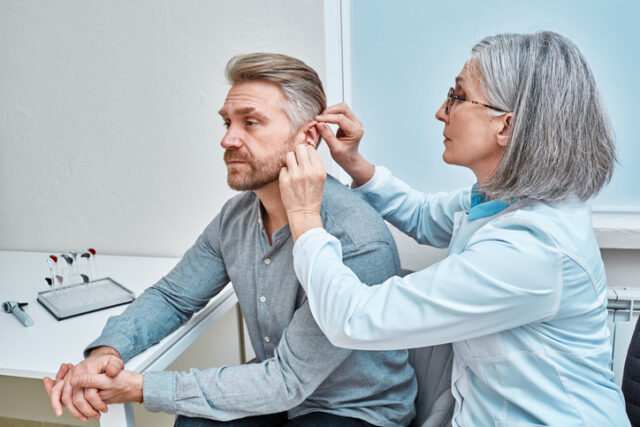
Lumps, swelling, internal pain—these are all things that rely on physical exams. A GP can’t feel temperature, firmness, or tenderness through a phone. This is especially important when ruling out serious conditions like cancer. Sometimes only touch will reveal what’s actually going on underneath the surface.
You’re allowed to choose where you’re referred for treatment.
If your GP refers you for further care, you don’t have to accept the first location they suggest. You have the legal right to choose a hospital or specialist, even a private one, if it meets NHS terms. This gives you some control over where and how you get treated. So if a certain location has shorter wait times or better facilities, you can request it. Just let your GP know your preferences.