Discrimination isn’t always overt; in fact, these days, more often than not, it’s pretty insidious.
That’s because it’s baked into the systems we live in, and a lot of the time, you don’t even realise it’s happening until you’re left with that gut feeling that something’s just… off. Whether it’s about race, class, gender, or something else entirely, being treated unfairly for who you are wears you down as time goes on.
Here are just some of the types of discrimination that still happen more than people like to admit, and a few things you can do to protect yourself (and the people around you) when they do.
1. Racial discrimination
This is the one most people are familiar with, but it still gets swept under the rug with lines like “I don’t see colour” or “that wasn’t racist, you’re just sensitive.” It’s being judged, excluded, or overlooked because of your skin colour or ethnic background, and it still happens in workplaces, schools, the justice system, and even random everyday situations.
If it happens to you, document it. Screenshot messages. Keep notes. You’re not being dramatic for wanting a record. If you can, find people who’ll back you, whether that’s colleagues, HR reps, or allies who won’t just sit in silence. You’re not imagining it, and you don’t have to accept it just because it’s “always been that way.”
2. Age discrimination

Whether you’re too young to be “taken seriously” or too old to be “kept around,” age discrimination sneaks into job interviews, social spaces, and even friendships. People write you off based on the number on your birth certificate, without actually seeing what you’re capable of.
If this is happening at work, you’ve got legal rights, especially in the UK. Speak to someone in HR or even a union rep if you’ve got one. If it’s more social, protect your energy. You don’t owe anyone a constant fight to prove you’re worth listening to.
3. Gender discrimination

This one can be obvious or painfully subtle. Maybe it’s being paid less for the same job. Maybe it’s being interrupted constantly in meetings. Maybe it’s being told to “smile more” while doing twice the work. Whatever form it takes, it all adds up.
Don’t let anyone convince you that you’re overthinking it. Keep track of what’s happening. If it’s in a workplace or institution, ask about their equality policies because most of them have one, even if they pretend not to. You’re not too emotional. You’re noticing what they don’t want to deal with.
4. Class discrimination

You feel this one when someone makes digs about your accent, mocks where you’re from, or assumes you’re less intelligent because you didn’t go to the “right” school. It’s snobbery dressed up as culture, and it makes a lot of people shrink themselves just to fit in.
Call it out when you can, and if not, take note of who keeps showing you they only respect people who look or sound a certain way. You don’t have to play along. You don’t have to perform a version of yourself just to be accepted.
5. Religious discrimination

Whether it’s jokes about your beliefs, assumptions about your values, or being penalised for observing holidays or wearing certain clothing, religious discrimination is still very real, even in places that claim to be inclusive.
If it’s happening at work or school, you have the legal right to reasonable accommodation for your beliefs. And outside of that? You don’t need to debate people about your right to exist. You can walk away from the conversation entirely. Protect your peace first, always.
6. Disability discrimination
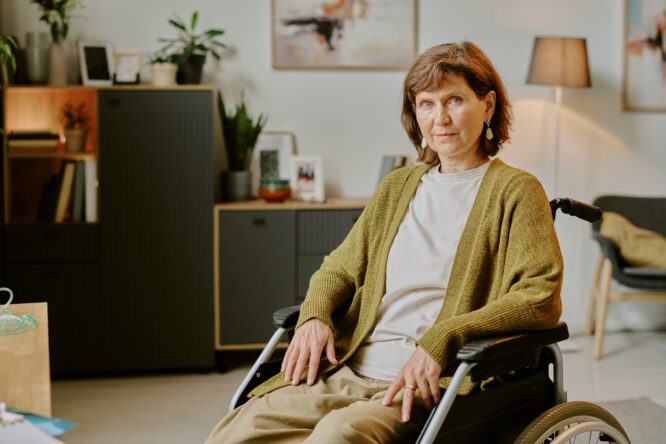
This includes physical and mental health conditions, and it shows up in the form of exclusion, lack of accessibility, or being treated like a burden. People either pretend your condition doesn’t exist, or they act like it’s your whole personality.
If you’re being dismissed, denied support, or treated unfairly, know your rights under the Equality Act. And even if it’s not “official,” your experience is valid. You’re allowed to advocate for your needs without feeling guilty for making things “inconvenient.”
7. Sexual orientation discrimination

This can come in the form of slurs, being excluded, being told to “tone it down,” or even being threatened. It’s exhausting having to constantly assess whether it’s safe to be yourself in a given space, and no one should have to do that. Surround yourself with people who don’t make your identity the punchline. If you’re in a work or school environment where this stuff is happening, there are legal channels in place to challenge it. You don’t have to just take it on the chin.
8. Trans and non-binary discrimination

From being misgendered constantly to being denied healthcare, housing, or basic respect, transphobia runs deep, and often, people don’t even realise they’re being discriminatory because they frame it as “just having an opinion.”
But your identity isn’t up for debate. You don’t owe explanations to people who refuse to listen. Focus your energy on communities that actually get it, and when it’s safe to do so, report the discrimination. You deserve better than surviving someone else’s ignorance every day.
9. Nationality or immigration status discrimination

This happens when someone’s treated differently because of their accent, name, visa status, or just for being seen as “not from here.” It’s the kind of discrimination that often hides under phrases like “go back where you came from” or “you people.” It’s tied to racial discrimination, but it goes deeper than that.
If this happens in a workplace or public service, it’s illegal, and you can report it. However, outside of that, know this: you don’t have to prove your worth or “earn” your place in a country. You’re not less-than because someone else clings to outdated ideas of belonging.
10. Pregnancy or parental status discrimination

Pregnancy and parenting often come with judgement and unfair treatment. Maybe you’re sidelined at work the moment you mention maternity leave. Maybe you’re judged for being a single dad, or people assume you can’t take on certain roles because you’ve got kids. This kind of discrimination is common, and also protected under employment law. You’re not imagining it, and you don’t have to accept being treated like a liability just because you’re raising a human being.
11. Body size discrimination
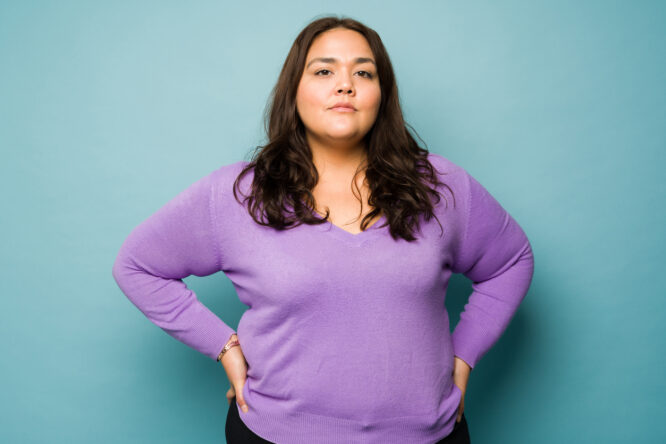
This one’s so baked into society that a lot of people don’t even realise they’re doing it. People in larger bodies are often treated as lazy, unhealthy, or undisciplined, regardless of who they are or how they live. It affects healthcare, jobs, dating, everything.
If you’re on the receiving end, it’s not your fault, and it’s not something you need to “fix.” The problem is how the world treats difference, not the difference itself. Advocate for yourself where you can, and don’t let diet culture pressure you into disappearing.
12. Accent or language discrimination

Ever been mocked for how you speak? Had someone act like your English wasn’t good enough, even though it’s fluent? Been assumed to be less intelligent because of your accent? That’s language discrimination, and it’s more common than people realise.
Language is part of identity. And no, you don’t need to change how you sound just to be taken seriously. If someone’s using the way you speak to undermine you, that’s on them, not you. You’re not less capable just because you don’t sound like a BBC presenter.