The stereotype about British teeth being terrible is one of those international jokes that’s become so embedded in global culture that even Brits make fun of themselves for it.
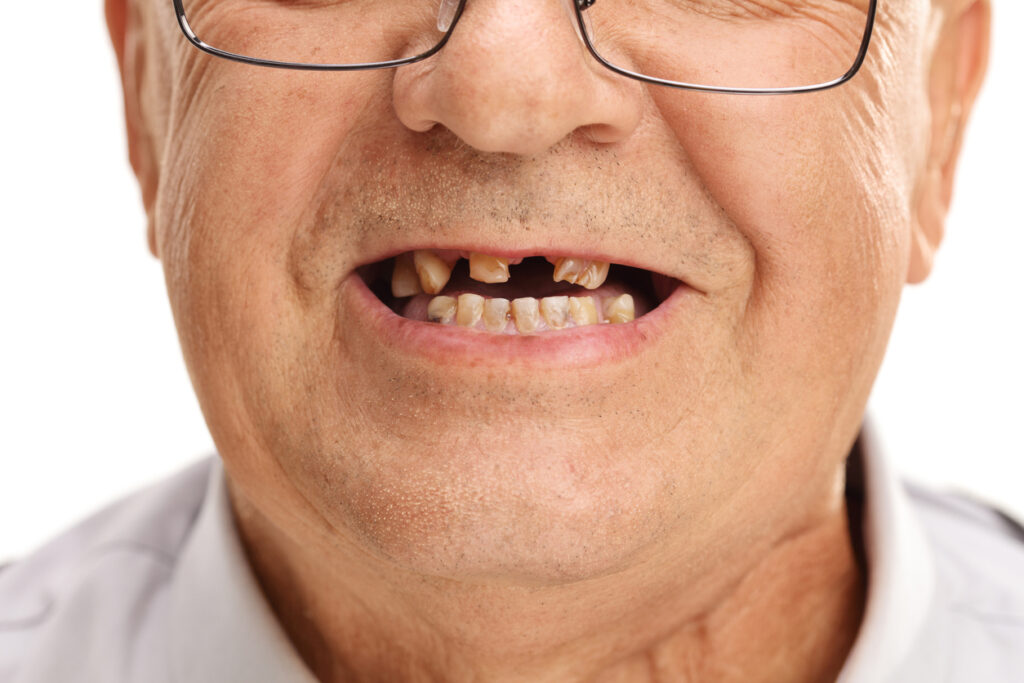
Here’s the uncomfortable truth, though: there’s actually some basis for this reputation. While it’s obviously not fair to judge an entire nation by their dental situation, there are some genuine cultural and systemic reasons why British teeth have earned their dodgy reputation. Here’s why our mouths get so much negative attention, not all of it unwarranted.
1. The NHS dental system is genuinely struggling.

Getting NHS dental treatment in many parts of the UK has become like trying to find a unicorn: theoretically possible but practically quite difficult. Loads of people are stuck on waiting lists for basic dental care, and many NHS dentists aren’t taking on new patients, forcing people to either go private or just… not go at all.
This means that plenty of Brits are walking around with dental problems that would be sorted quickly in other countries, simply because they can’t access affordable treatment. When basic dental care is hard to come by, aesthetic dental work becomes even more of a luxury.
2. Orthodontics isn’t considered essential healthcare.
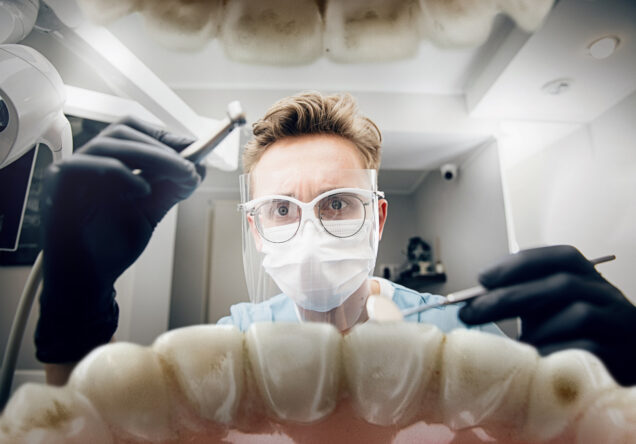
Unlike some countries where straight teeth are seen as basic healthcare, the NHS only provides braces for severe cases that affect function rather than just appearance. This means loads of people grow up with wonky teeth that could be easily fixed, but aren’t considered “bad enough” for free treatment.
Private orthodontics can cost thousands of pounds, putting straight teeth firmly in the luxury category for many families. So whilst American kids get braces as a matter of course, British kids often just learn to live with whatever teeth they’ve got.
3. There’s a cultural acceptance of imperfect teeth.
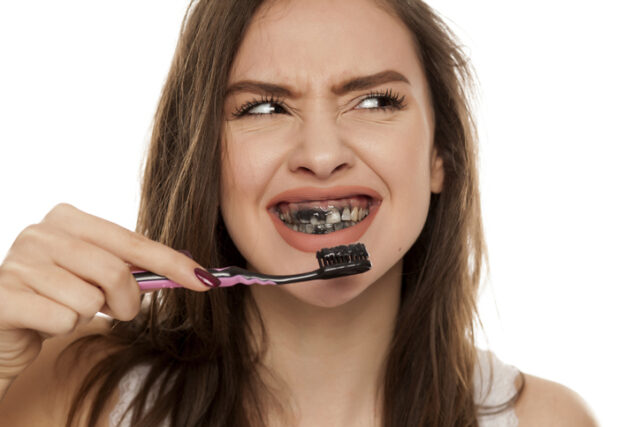
Brits tend to be more accepting of dental imperfections than some other cultures, viewing slightly wonky or discoloured teeth as just part of natural human variation rather than something that desperately needs fixing. This isn’t necessarily a bad thing, but it does contribute to the stereotype.
This cultural attitude means that people who might get cosmetic dental work in other countries just shrug and get on with life instead. There’s less social pressure to have perfect teeth, which can be refreshing, but also means dental problems sometimes go unaddressed.
4. Tea culture is wreaking havoc on enamel.

The British love affair with tea is lovely and traditional, but drinking multiple cups of tannin-rich tea every day for decades does stain teeth pretty dramatically. Add in the sugar that many people put in their tea, and you’ve got a recipe for dental problems that’s deeply embedded in the culture.
Coffee stains teeth too, but the sheer volume of tea consumption in Britain, often starting from childhood, means that many Brits have deeply stained teeth by the time they’re adults. It’s a small price to pay for tea culture, but it definitely contributes to the reputation.
5. Preventive dental care isn’t deeply ingrained.

Many Brits still operate on the “if it’s not actively hurting, it’s probably fine” approach to dental care, rather than having regular check-ups and preventive treatments. This means small problems often become big problems before they get addressed.
The culture around dental care tends to be more reactive than proactive, partly because of NHS limitations and partly because dental health education hasn’t always been as comprehensive as it could be. People often wait until something’s properly wrong before trying to get treatment.
6. Sugar consumption is still pretty high.

Despite increasing awareness about sugar’s effects on teeth, British diets still include loads of biscuits, sweets, fizzy drinks, and other sugary treats that wreak havoc on dental health. The cultural relationship with sugar-heavy foods remains strong.
From childhood treats like pick ‘n’ mix sweets to adult indulgences like digestive biscuits with tea, sugar consumption that would make dentists weep is just considered normal. This constant sugar exposure doesn’t do teeth any favours over the long term.
7. Dental anxiety is widespread and undertreated.
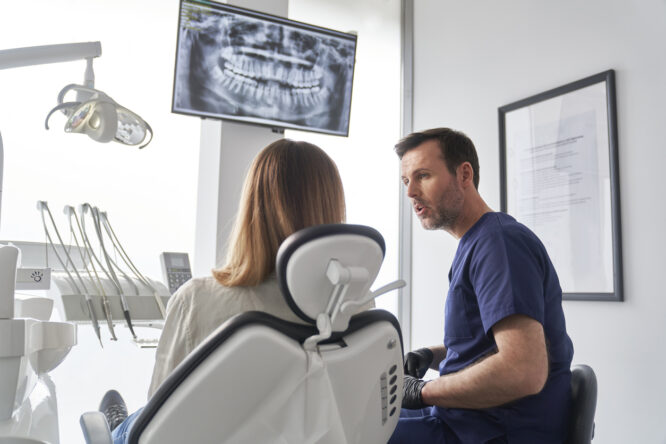
Many Brits have genuine dental phobia that prevents them from getting regular care, and this anxiety often isn’t addressed properly, leading to people avoiding dentists until emergencies force them to get treatment. By then, problems have often become much worse.
The combination of dental anxiety and limited NHS availability creates a perfect storm where people avoid dentists, problems get worse, and the eventual treatment becomes more traumatic, reinforcing the cycle of avoidance.
8. Cosmetic dentistry is seen as vanity rather than healthcare.

There’s a cultural attitude that cosmetic dental work is frivolous or vain, rather than a legitimate form of healthcare or self-care. This means people often feel guilty about wanting their teeth to look better, even when dental appearance affects confidence and quality of life.
This attitude keeps many people from pursuing treatments that could massively improve their appearance and self-esteem, contributing to the acceptance of dental imperfections that wouldn’t be tolerated in more appearance-focused cultures.
9. Working-class attitudes toward healthcare persist.

There’s still a lingering cultural attitude in some communities that healthcare, including dental care, is something you only try to get when absolutely necessary rather than for maintenance or improvement. This “make do and mend” approach extends to teeth.
This attitude often comes from generations of limited healthcare access and the idea that you shouldn’t complain about minor problems or seek treatment for anything that’s not life-threatening. Whilst this resilience has its merits, it doesn’t do teeth any favours.
10. The comparison with American dental culture is stark.
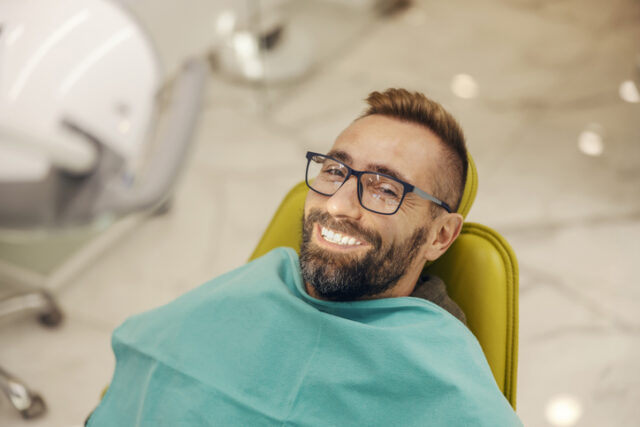
The contrast with American attitudes toward dental perfection makes British teeth look particularly rough by comparison. In the US, straight, white teeth are seen as essential for professional and social success, leading to much higher investment in dental aesthetics.
This cultural difference means that when Americans see British teeth, they’re often genuinely shocked by the level of dental imperfection that Brits consider normal. The comparison isn’t entirely fair, but it does highlight real differences in dental standards.
11. Social media is making the problem more visible.

With everyone’s teeth now visible in countless photos and videos online, dental imperfections that might have gone unnoticed in previous generations are now on display for international scrutiny. Social media has made dental appearance more important than ever.
This increased visibility means that British dental standards are being compared globally rather than just locally, and the contrast with other countries’ approach to dental aesthetics is becoming more obvious and commented upon.
12. The reputation has become a self-fulfilling prophecy.
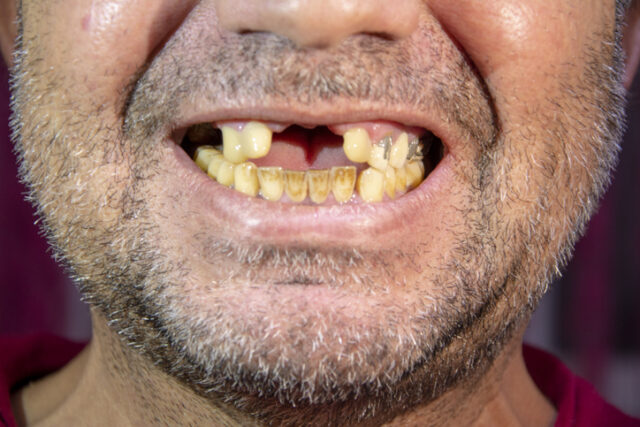
At this point, the stereotype about British teeth has become so entrenched that it almost reinforces itself. Some Brits lean into the reputation with a kind of defiant pride, whilst others become self-conscious but still don’t prioritise dental care enough to change the overall pattern.
The joke has become so accepted that it’s almost part of British identity now, which might actually work against efforts to improve dental health standards because the reputation feels unchangeable rather than something that could be addressed with better dental care access and attitudes.