Museums aren’t just boring places where you pretend to be interested in old stuff whilst your teacher checks you’re paying attention.
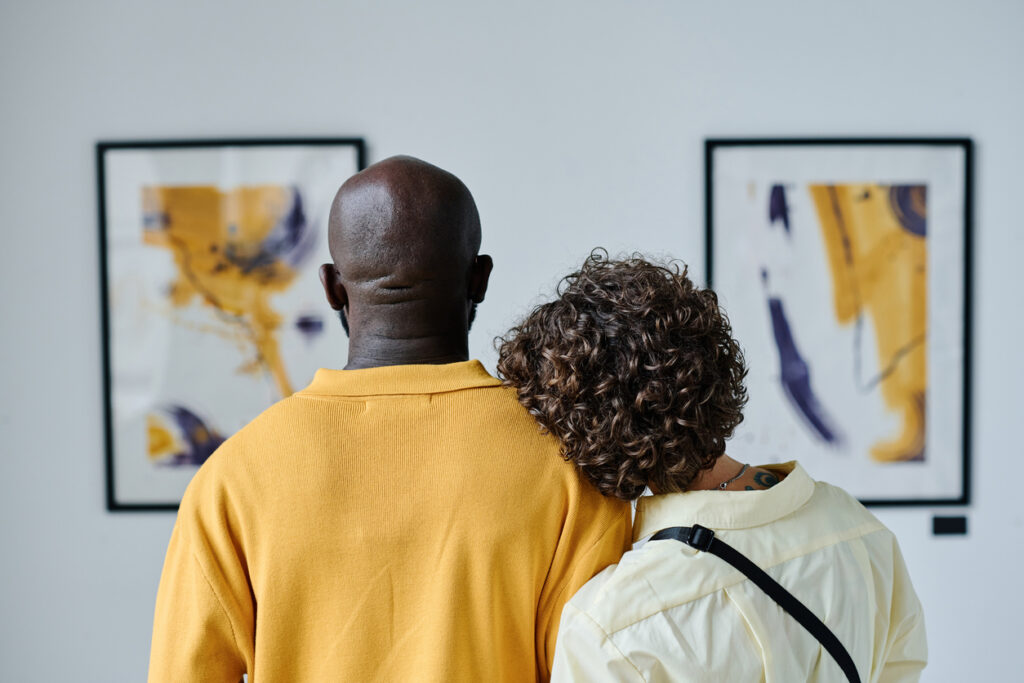
As it turns out, they’re actually like gyms for your brain that can make you feel way better mentally, physically, and emotionally. Science has properly proven that spending time in museums does loads of good things for your well-being that you probably never even realised. Whether it’s checking out fine art or ancient artefacts, here’s why you should consider checking out your local museum this weekend.
1. Your stress levels drop massively just by being there.
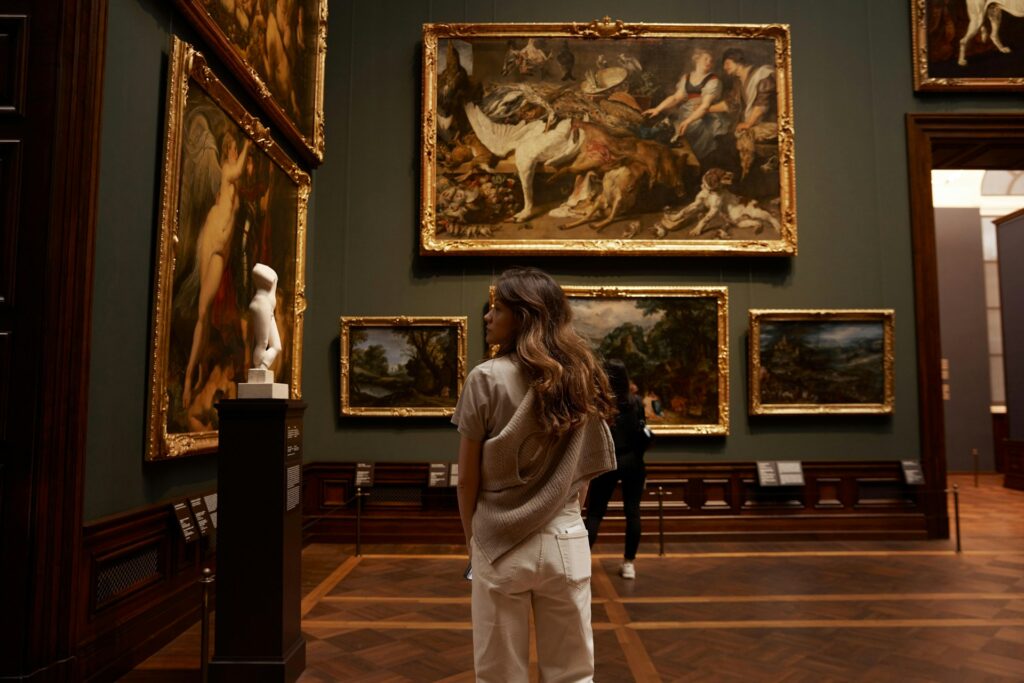
Studies have shown that people’s cortisol levels (the stress hormone) actually decrease significantly after spending time in museums, even if they’re just wandering around looking at random exhibits. There’s something about the calm, quiet environment that helps your nervous system chill out.
The peaceful atmosphere and lack of screens or constant notifications gives your brain a proper break from the usual chaos of daily life. It’s like meditation, but way more interesting because you’re actually learning stuff whilst you decompress.
2. Looking at art literally releases feel-good chemicals in your brain.
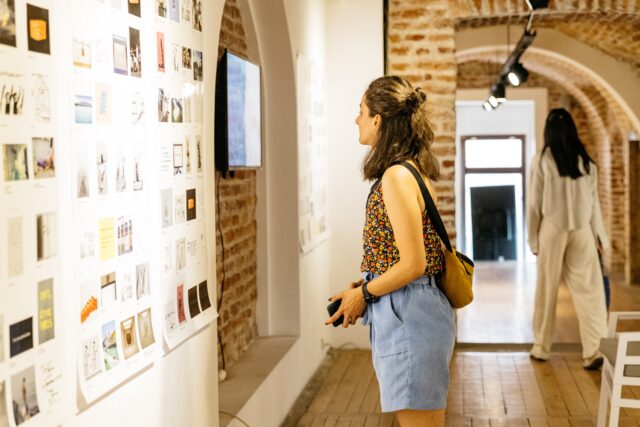
When you look at beautiful artwork, your brain releases dopamine and endorphins—the same chemicals that make you feel good when you eat chocolate or exercise. You’re basically getting a natural high from appreciating creativity and beauty. This happens even if you don’t think you “understand” art or consider yourself artistic. Your brain responds to visual beauty and creativity on a biological level that doesn’t require any special knowledge or training to experience.
3. Museums force you to slow down and actually focus.
In a world where everything moves fast, and you’re constantly multitasking, museums make you slow down and concentrate on one thing at a time. Reading exhibit descriptions and really looking at objects requires the kind of focused attention that’s become quite rare.
This focused attention is like a workout for your concentration muscles, which have probably got quite weak from all the phone notifications and quick social media scrolling you do normally. Museums help retrain your brain to focus deeply on single things.
4. You learn stuff without realising you’re learning.

Unlike school learning where you know you’re supposed to be absorbing information, museum learning happens naturally through curiosity and interest. You end up gaining knowledge about history, science, or culture just because something caught your eye.
This type of informal learning is less stressful than classroom learning and often sticks better because you chose to engage with it rather than being forced to. Your brain processes information differently when you’re genuinely curious about it.
5. Walking around museums counts as proper exercise.
Most museums require loads of walking, standing, and moving around, which adds up to decent physical activity without feeling like you’re exercising. You might walk several miles during a museum visit without even thinking about it. The combination of physical movement and mental stimulation is brilliant for your overall health. You’re getting your steps in whilst also engaging your mind, which is much more interesting than just walking on a treadmill.
6. Museums give you perspective on your own problems.
Looking at historical exhibits or art from different time periods reminds you that humans have always faced challenges and found ways to create beautiful things despite difficult circumstances. Your current stress seems less overwhelming when you see the bigger picture. Learning about how people in the past dealt with wars, plagues, or social changes can make your own problems feel more manageable. It’s like getting free therapy through historical perspective.
7. The quiet environment helps reset your nervous system.

Museums are some of the few public spaces that are genuinely quiet and peaceful, which gives your overstimulated nervous system a chance to calm down. No loud music, traffic noise, or people shouting, just peaceful contemplation. That quiet time is crucial for mental health, especially if you live in a busy city or spend most of your time in noisy environments. Your brain needs silence to process information and recover from constant stimulation.
8. You get social connection without pressure.

If you go with friends or family, museums provide natural conversation starters and shared experiences without the pressure of having to think of things to talk about. You can discuss what you’re seeing rather than struggling for conversation topics. Even if you go alone, you’re still around other people in a calm, shared space, which provides a sense of community without requiring actual interaction. It’s social connection for introverts who find crowds overwhelming.
9. Museums spark creativity and new ideas.

Exposure to art, history, and different ways of thinking stimulates the creative parts of your brain and can inspire new ideas or perspectives you wouldn’t have had otherwise. You might leave feeling motivated to try something new or see things differently. Even if you’re not artistic yourself, seeing what humans are capable of creating can inspire you in other areas of your life. Creativity is contagious, and museums are full of it.
10. You practice mindfulness without trying.

Museums naturally encourage you to be present and pay attention to what’s in front of you, rather than worrying about the past or future. You end up practicing mindfulness just by engaging with exhibits and really looking at things. This present-moment awareness is basically meditation in action, but it’s easier than sitting still and trying to clear your mind. You’re being mindful whilst actually doing something interesting.
11. Cultural experiences boost your confidence.

Learning about different cultures, time periods, or artistic movements makes you more knowledgeable and gives you interesting things to talk about with other people. This kind of cultural literacy boosts your confidence in social and academic situations.
Having experiences beyond just school and social media makes you more interesting as a person and gives you a broader perspective on life. You become someone who has things to contribute to conversations beyond just pop culture references.
12. Museums provide escape from digital overwhelm.

Most museums encourage you to put your phone away or at least use it less, which gives your brain a break from constant digital stimulation. You remember what it’s like to just observe and think without immediately documenting everything. This digital detox, even if it’s just for a few hours, helps reset your attention span and reduces the anxiety that comes from constant connectivity. You practice being present without feeling the need to share everything immediately.
13. You gain a sense of accomplishment and personal growth.

Visiting museums makes you feel like you’ve done something meaningful and enriching with your time, which boosts your sense of personal accomplishment. You’re investing in yourself and your education in a way that feels positive rather than obligatory. This sense of self-improvement and cultural engagement contributes to overall life satisfaction and helps you feel like you’re growing as a person rather than just going through the motions of daily life.