Introverts aren’t some sort of weird hobbits who never leave the house, but they do relish their alone time.

Being in their own space with no one to entertain or answer to is more than just relaxation time. It’s an opportunity for them to be their truest selves without interruption or judgement from anyone else. They love their friends, family, and partner if they have one, but they also really love having time to themselves at home to do these things.
1. Have full conversations with their pets like they’re having deep philosophical debates

You’ll find yourself explaining your entire day to your cat, asking your dog for advice about work drama, or having lengthy discussions with your hamster about the meaning of life. These aren’t just random comments; they’re full-blown conversations where you pause for responses and nod thoughtfully at their silence.
Your pets become your therapist, best friend, and debate partner all rolled into one, and somehow their non-verbal responses feel more genuine than most human interactions you’ve had all week. The fact that they can’t judge you or interrupt makes them perfect conversation partners for working through thoughts you’ve been carrying around all day.
2. Narrate their own life like they’re the main character in a documentary

Whether you’re making dinner or doing laundry, you catch yourself providing commentary like David Attenborough observing wildlife in their natural habitat. You’ll describe your actions, thoughts, and decisions out loud as if someone’s filming you for a nature documentary about the fascinating habits of introverts.
This weird little habit turns mundane tasks into something more interesting and gives your brain something to do while your body goes through the motions of daily life. It’s like being your own entertainment system, and it makes boring activities feel more purposeful and engaging.
3. Create elaborate backstories for random objects around their house

That coffee mug becomes a character with a rich history, the houseplant gets a personality and daily check-ins about how they’re feeling, and even your furniture starts to have relationships with each other in the intricate world you’ve built in your head.
This isn’t just imagination; it’s world-building that makes your space feel more alive and connected. When everything around you has a story or personality, your home becomes less lonely and more like a community of objects that you’ve given meaning and purpose to through your creativity.
4. Have dance parties for an audience of absolutely no one

Without the pressure of anyone watching or judging your moves, you’ll put on music and dance like nobody’s watching because literally nobody is. These aren’t coordinated performances; they’re pure expression of whatever energy you’ve been holding in all day while being around other people.
The beauty is that you can be completely unselfconscious about it, trying out moves you’d never do in public, singing along terribly, and just letting your body move however it wants to. It’s like shaking off all the social performance you’ve been doing and reconnecting with your physical self without any external pressure.
5. Organise things in very specific ways that only make sense to them

You’ll spend hours arranging books by colour organising your closet by fabric texture, or sorting your kitchen utensils according to some complex system that would confuse anyone else but brings you deep satisfaction. These aren’t practical organisation systems; they’re personal rituals that create order in your environment.
The process of organising becomes meditative, giving your hands something to do while your mind processes everything from the day. Creating these perfect little systems in your space feels like gaining control over something in a world that often feels chaotic and overwhelming.
6. Talk back to TV shows and movies like the characters can hear them

You’ll give advice to characters making obviously bad decisions, warn them about dangers they can’t see coming, and have full arguments with people on cooking shows about their ingredient choices. It’s not passive watching; it’s active participation in fictional worlds.
This running commentary turns solitary TV time into a social activity where you get to be the smartest person in the room, offering wisdom and criticism without anyone talking back or disagreeing with your superior understanding of plot development and common sense.
7. Create cosy little nests in weird places around their house

Maybe it’s a blanket fort in the living room, a reading corner you’ve constructed out of pillows in an unusual spot, or a workspace you’ve set up in the bathroom because the lighting is perfect. These aren’t permanent furniture arrangements; they’re temporary comfort zones that serve specific moods.
Each little nest serves a different purpose and gets built when you need that particular type of comfort or stimulation. It’s like being able to redesign your environment to match your internal state, creating physical spaces that support whatever emotional or mental processing you need to do.
8. Research completely random topics for hours just because they’re curious

You’ll start wondering about something ridiculous like how they make fortune cookies and three hours later you’re an expert on industrial baking processes, the history of Chinese-American cuisine, and the psychology of superstition. These research binges aren’t for school or work; they’re pure intellectual satisfaction.
The rabbit holes you go down when you’re alone and unstimulated by other people’s agendas are where you discover the most interesting things about the world. Without anyone rushing you or judging your interests, you can follow your curiosity wherever it leads and actually learn things you genuinely want to know.
9. Practice conversations they might have in the future

Whether it’s rehearsing what you’ll say in tomorrow’s meeting, practicing how you’ll handle a difficult conversation with a friend, or just running through various scenarios that might come up, you’ll spend time working out the perfect responses to hypothetical situations.
This mental rehearsal isn’t anxiety; it’s preparation that helps you feel more confident when you actually have to interact with people. By working through different possibilities alone, you can approach social situations with a better sense of what you want to say and how you want to handle things.
10. Make weird food combinations that they would never eat in front of other people

Maybe it’s cereal for dinner, ice cream with potato chips, or some bizarre sandwich creation that sounds disgusting but tastes amazing to you. Without anyone around to judge your eating habits, you can explore whatever food combinations your brain comes up with.
These culinary experiments aren’t about being gross; they’re about following your actual cravings and preferences without worrying about social norms around food. Sometimes the weirdest combinations hit exactly the right spot, and you only feel free to discover them when nobody’s watching.
11. Spend way too much time perfecting something completely unnecessary

You’ll spend two hours arranging the items on your desk in the perfect configuration, or invest serious time in organising your digital photos from three years ago, or meticulously clean something that was already clean just because it feels satisfying to make it perfect.
These perfectionist tendencies come out when you have the time and space to focus on details without anyone rushing you or questioning why you care so much. The process of perfecting these small things gives you a sense of control and accomplishment that’s hard to find in other areas of life.
12. Have emotional reactions to things they would hide around other people

Whether it’s crying at a commercial, getting genuinely excited about something most people would find boring, or having strong feelings about minor inconveniences, you let yourself feel things fully without worrying about how it looks to other people.
This emotional authenticity is one of the biggest reliefs of being alone because you don’t have to manage other people’s reactions to your reactions. You can be as sad, excited, frustrated, or delighted as you actually feel without having to explain or justify your emotional responses to anyone.
13. Create elaborate routines that serve no practical purpose
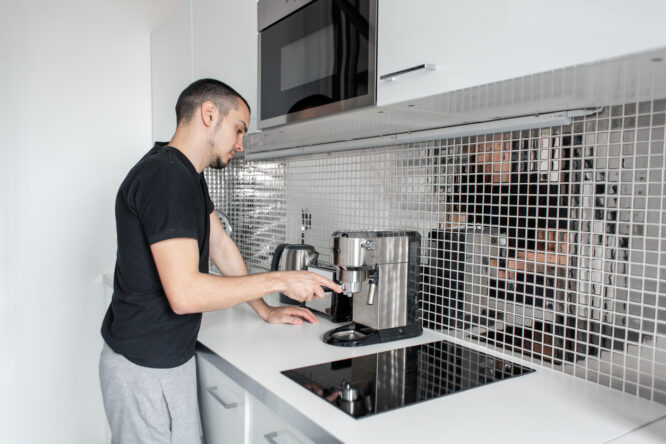
Maybe you have a specific way of making tea that involves seventeen steps, or a bedtime routine that’s more complex than a religious ceremony, or a method for checking your email that includes multiple unnecessary actions. These rituals aren’t efficient; they’re comforting.
The routines you develop when nobody’s watching become personal ceremonies that mark transitions between different parts of your day or different emotional states. They’re like meditation practices that help you feel grounded and connected to yourself in ways that practical efficiency can’t provide.
14. Enjoy the sound of their own thoughts without interruption

The most strangely comforting thing might be the simplest: just sitting in silence and letting your mind wander wherever it wants to go without having to share those thoughts, explain them, or shape them for other people’s consumption. Your internal monologue gets to run free without external input or direction.
This mental freedom is what introverts crave most – the space to think their own thoughts at their own pace without having to constantly respond to other people’s ideas, questions, or needs. It’s not antisocial; it’s essential maintenance for your mental and emotional well-being.