People aren’t just cutting back on TikTok or Instagram time to start reconnecting with the real world.
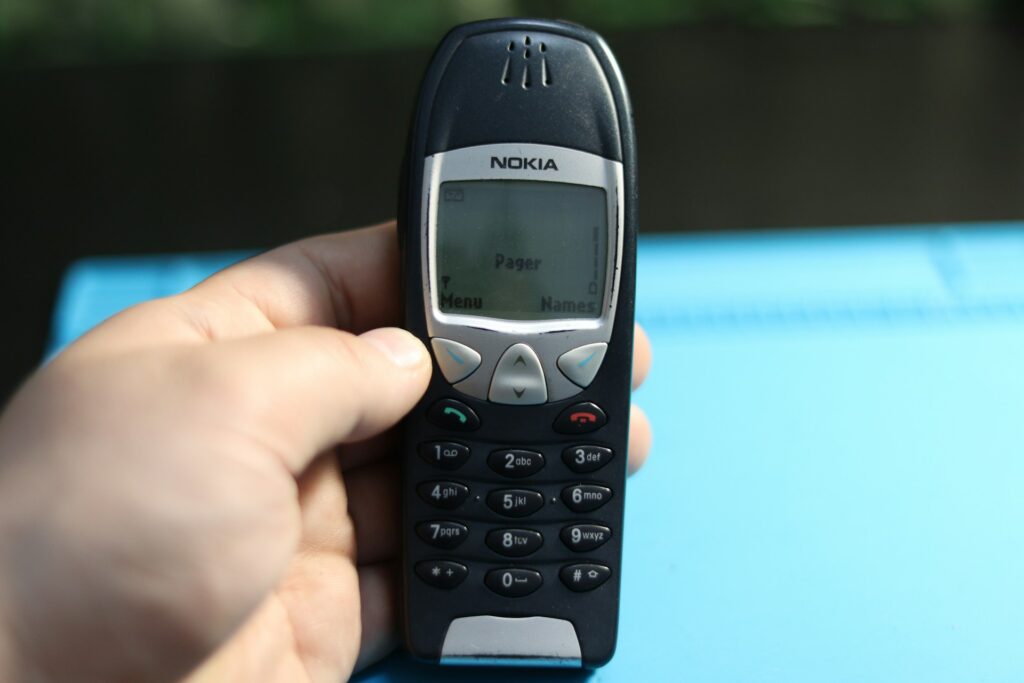
Believe it or not, many are swapping their smartphones for devices that barely connect to the internet at all. The rise of “dumb phones”—think that old Nokia with the black and white screen that only had Snake on it for entertainment—isn’t a nostalgia trend. Instead, it’s a deliberate choice from people who are tired of constant screen time and the mental load that comes with it.
Ditching digital burnout without sacrificing calls is a happy medium.

Smartphones used to serve us, but now they often control the pace of our lives. The constant pings, pressure to respond instantly and never-ending feeds wear people down until switching off feels impossible. More are choosing a phone that works for them instead of the other way around.
A basic device that lets you call, text and maybe snap a quick photo doesn’t push you into checking notifications every few minutes. That low-key design means fewer interruptions and a calmer day, which is exactly what many people are after.
There’s a growing movement called “appstinence.”
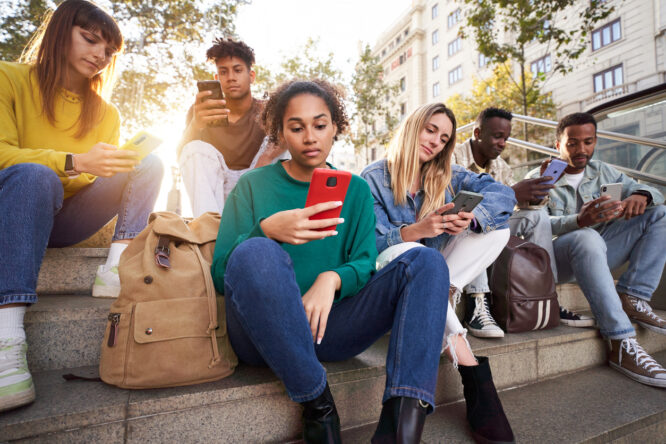
This change isn’t just about liking retro tech. Millennials and Gen Z are leading a trend known as “appstinence”—choosing phones without addictive apps so they can think more clearly and focus on real priorities. It’s a conscious decision to step away from the loop of endless scrolling.
It’s showing up in digital detox retreats, phone-free events and even among influencers who are encouraging followers to spend less time online. It’s not about rejecting technology completely, but about reshaping how it fits into everyday life.
It’s helping kids grow up less glued to a screen.

Parents are also part of this movement, not only switching themselves but giving their children simpler devices. They want to cut down on the 24/7 connection and give kids more time to socialise, play and explore without a screen constantly in front of them.
For some, it’s about being a visible example and showing that adults can live happily without being glued to notifications all day. That visible behaviour sends a stronger message than just telling kids to put the phone down.
There’s proof it’s not just niche: dumb phones are actually selling.
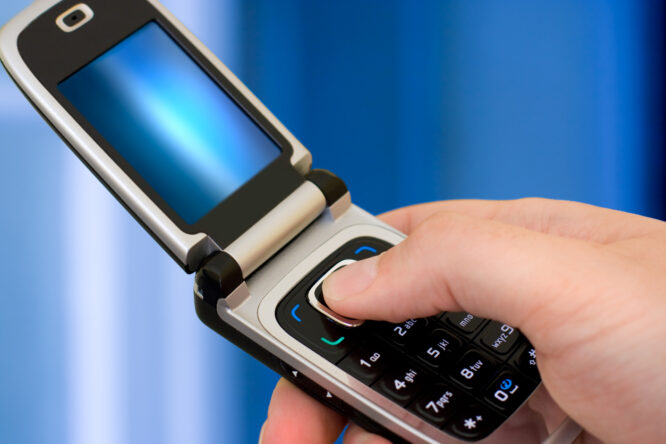
Perhaps unsurprisingly, sales of these phones are climbing, both globally and in the UK. They’re not just being bought by older generations, either. Young professionals are picking them up as a main device or a weekend alternative when they want a break from the noise. This demand shows that people are willing to spend money to regain their time and attention. It’s no longer a fringe choice; it’s becoming a realistic option for everyday life.
Brands are responding with smart simplicity.

Tech companies are adapting by creating phones that blend minimal design with a few essential features like navigation, music, and cameras. They strip out social apps, addictive games and the endless scroll so users can still get the basics done without falling into time drains. Some models cost more than a standard budget smartphone, but for people dealing with burnout, that higher price feels like an investment in focus, rest, and better mental health.
Fewer apps = better mental health.

High screen time has been linked to anxiety, poor sleep and reduced life satisfaction. Social media platforms are designed to keep people hooked, which is why cutting them out completely can be so effective. Even reducing an hour of that screen time daily can improve mood and focus. With fewer apps, there’s less temptation to fall back into old habits, which makes dumb phones a practical tool for creating healthier routines.
People voluntarily “unplug” and feel more present.

Silencing notifications, even for a short time, has been shown to reduce stress and help people feel more in control. That’s why many start by switching to a dumb phone for weekends or holidays and then extend it once they see the benefits. Having a phone that can’t bombard you with news alerts or constant updates makes it easier to focus on conversations, surroundings, and daily experiences without feeling pulled in ten different directions.
Social media burnout turns into content fatigue.

The endless cycle of posting, comparing and scrolling has left many people feeling drained. Dumb phones remove that constant invitation to check in, which means you’re no longer carrying around a portal to other people’s curated lives. Instead of thinking about whether a moment is worth sharing, people can simply live it. That change alone has made these devices appealing to anyone tired of treating daily life like a performance.
Retro tech isn’t just nostalgia—it’s tactile reality.
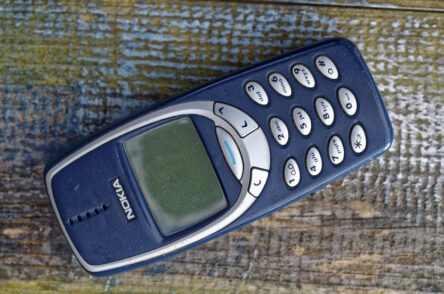
Alongside dumb phones, other older tech like vinyl records and film cameras are gaining popularity again. They offer physical, tangible interaction, which feels refreshing after years of everything being digital. People enjoy the simplicity and directness of using something that doesn’t rely on algorithms or endless updates. Dumb phones tap into that same satisfaction while still serving a functional purpose.
There’s a major benefit: more predictable and less distracting days.

One of the biggest appeals of going back to a basic phone is how predictable your day feels without constant interruptions. You’re not being pulled into conversations you didn’t plan to have or information you didn’t ask for. Without that digital clutter, tasks get finished faster, plans are more likely to happen on time and mental energy isn’t constantly being drained in the background.
It reduces the urge to multitask.

Smartphones make it easy to start one thing and end up doing five others. A dumb phone naturally limits the number of things you can do at once, which makes it easier to stay focused. By keeping calls and messages separate from all your other online activity, you’re more likely to give full attention to whatever you’re doing in the moment.
It isn’t practical for everyone, but that’s part of the point.

These phones won’t run work email, online banking or instant group chats, which is exactly why they’re so effective for people who want less digital noise. It’s a conscious trade-off rather than a limitation. Some only make the switch part-time, using them in the evenings or on trips. Others go all in and say they’ve never felt more present or in control of their time.