
You need more than just the ability to switch off at night to get solid rest. It’s also about what you do with your body during the day that makes a difference to how restorative your sleep actually is. Small, regular movements can prepare your mind and muscles for better rest. Here are a few to try.
1. Gentle morning stretches
Starting the day with simple stretches wakes up your body without strain. Reaching up, rolling your shoulders, or bending forward loosens stiffness that builds overnight. Some light movement signals to your body that it’s time to reset. Over time, it helps regulate your natural rhythm, making it easier to fall asleep at night.
2. Short daily walks
Walking increases circulation and exposes you to natural light, both of which support your internal body clock. Even ten minutes outside can help anchor your sleep-wake cycle. Regular walking also reduces stress. The steady rhythm calms the mind, making it easier to switch off when bedtime arrives.
3. Shoulder rolls
Hours of sitting create tension in the shoulders and neck, which often lingers into the night. Rolling your shoulders forwards and backwards eases that tightness. Releasing this tension regularly helps your body feel more comfortable when you lie down. It reduces the aches that might otherwise disturb deep rest.
4. Light yoga poses
Simple poses like child’s pose or legs-up-the-wall are soothing without demanding strength. They relax tight muscles while signalling to the nervous system that it’s safe to slow down. Practising these movements daily builds a habit of winding down. Your body learns to associate them with calm, which carries into bedtime.
5. Neck stretches
Tilting your head gently from side to side relieves stiffness that builds from screens or poor posture. These small stretches improve circulation and ease the pressure that can lead to headaches. By addressing this tension before nightfall, you set yourself up for more restful sleep. A relaxed neck makes it easier to settle comfortably without waking up sore.
6. Gentle twists
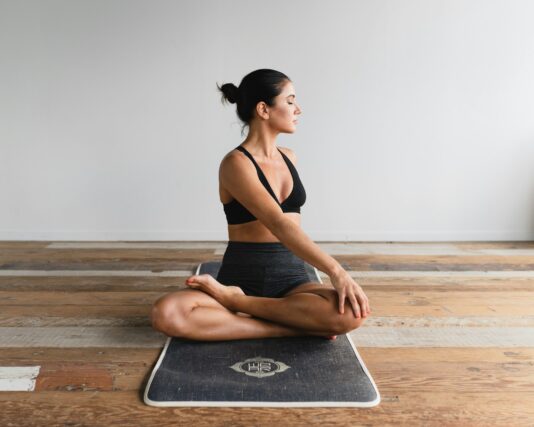
Seated or standing torso twists stimulate circulation through the spine and relieve pressure from sitting still too long. They also help digestion, which can make evenings more comfortable. Daily twists keep your body balanced and flexible. That sense of ease carries into the night, reducing restlessness when you try to sleep.
7. Calf raises
Standing on your toes and lowering slowly works the lower legs, improving circulation and strengthening muscles that often tighten from inactivity. It’s a simple move you can do almost anywhere. Better blood flow through the day means fewer cramps at night. Calf raises help prevent the sudden discomfort that can interrupt deep sleep.
8. Hip openers
Sitting for long periods tightens the hips, which contributes to back pain and discomfort in bed. Movements like gentle lunges or figure-four stretches release this tension. Daily hip openers allow you to lie down more comfortably. With less stiffness, your body can relax fully into rest instead of tossing to find the right position.
9. Wrist and hand stretches
Typing, texting, and daily tasks put strain on the wrists and hands. Stretching them with gentle circles or pulling back on the fingers keeps the joints loose. When tension is reduced here, the whole body feels calmer. Small as they seem, these stretches prevent lingering tightness that can affect overall relaxation.
10. Deep breathing with movement

Pairing slow breathing with light stretching helps settle the nervous system. Movements like raising your arms as you inhale and lowering them as you exhale combine physical and mental calm. This daily practice teaches your body to connect movement with relaxation. That link makes it easier to drift into deeper sleep when the day is done.
11. Light squats
Squats, done lightly and without strain, strengthen large muscle groups and improve circulation. They also release tension in the hips and lower back, common culprits of restless nights. Adding a few squats into your day ensures your body is pleasantly tired by bedtime. Experiencing more natural fatigue supports a smoother transition into sleep.
12. Evening stretches before bed
Finishing the day with five minutes of calm stretching helps signal to your body that it’s time to slow down. Focus on relaxing movements rather than high-energy exercises. This routine acts as a bridge between daytime busyness and nighttime rest. Over time, it trains your body to wind down more smoothly.
13. Slow ankle circles
Rotating your ankles in small circles keeps joints mobile and improves blood flow in the lower legs. It’s particularly helpful if you spend a lot of time sitting or standing during the day. Daily ankle movements prevent stiffness and restlessness at night. They’re a small habit, but they can make a noticeable difference to how deeply you sleep.