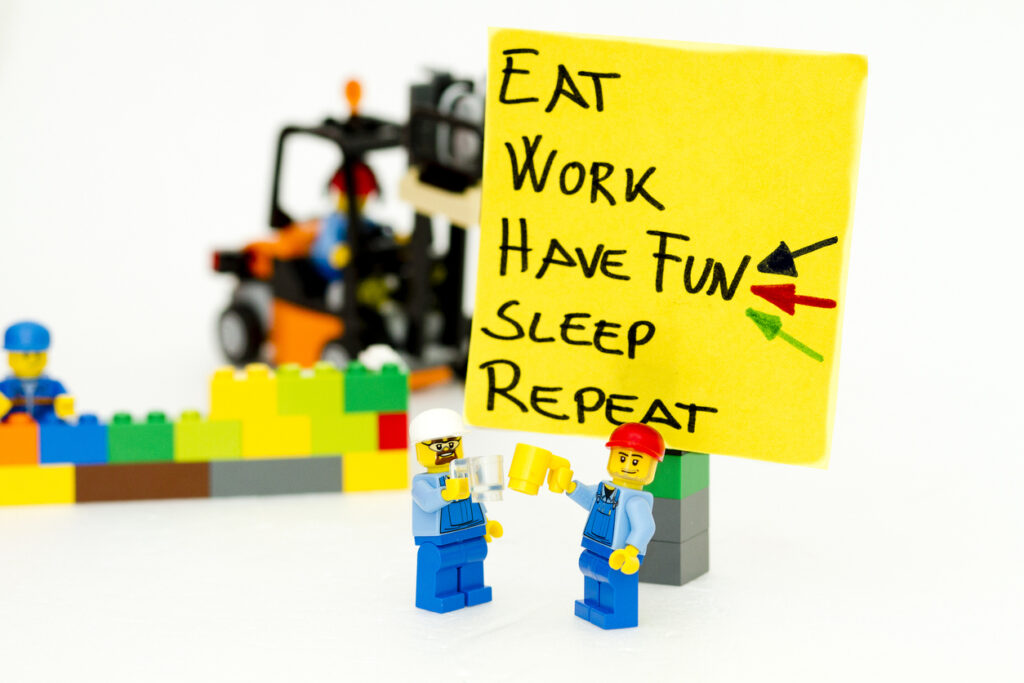
Lego might seem like child’s play, but researchers and educators are finding that the benefits go far beyond fun. Building with those colourful bricks stimulates different parts of the brain, and doing it regularly could actually give your mind a serious boost.
1. It sharpens problem-solving skills.
Every Lego build is essentially a puzzle. You have to figure out how pieces fit together, how to fix mistakes, and how to keep the structure standing, all of which flex your problem-solving muscles. The process teaches adaptability as well. When one idea doesn’t work, you quickly adjust and try another, which is a valuable skill in both work and everyday life.
2. It strengthens spatial awareness.
Constructing with Lego requires you to think in three dimensions. You learn to picture how pieces will fit before placing them, which builds your ability to visualise space and structure. Better spatial skills translate into real-world tasks, from packing efficiently to understanding maps or even improving sports performance. Lego gives you a playful way to strengthen this often-overlooked ability.
3. It improves focus and concentration.
Building with Lego demands your full attention, especially when working on detailed sets. Losing track of time while building is common, which shows just how immersive and engaging the activity can be. That kind of focused play can carry over into other areas of life. The more you practise sustaining attention in one setting, the easier it becomes in others.
4. It encourages creativity.
With Lego, there are instructions, but there are also endless opportunities to build freely. Creating something from scratch pushes your imagination to find new forms, designs, and stories. The freedom to experiment sparks innovative thinking. Regularly exploring ideas without rules or restrictions can help you approach problems at work or in life with fresh perspectives.
5. It reduces stress.
Much like drawing or gardening, Lego can be a calming escape. The repetitive act of clicking pieces together is rhythmic and soothing, helping you slow down after a hectic day. Lower stress has a direct impact on brain power. When your mind is calmer, you think more clearly, retain information better, and make sharper decisions.
6. It boosts memory.
Following Lego instructions exercises short-term memory, as you hold details in your mind while searching for pieces and building sections. Over time, this regular practice helps improve recall ability. Even free building strengthens memory by encouraging you to remember what works and what doesn’t in your designs. Both approaches keep your brain actively engaged.
7. It builds persistence
Lego projects can take hours and often involve trial and error. Sticking with it until the build is complete teaches patience and perseverance, skills that are essential for long-term goals. This persistence translates outside of play. You build the habit of not giving up easily, which strengthens resilience in both personal and professional challenges.
8. It enhances fine motor skills.

Snapping together tiny bricks and separating them again demands precision. Regular practice sharpens hand-eye coordination and control, which are useful for tasks that require steady, accurate movements. For children, this supports physical development, and for adults, it helps keep motor skills sharp. These benefits may even protect against cognitive decline linked to ageing.
9. It encourages teamwork.
Building with Lego in groups turns it into a collaborative exercise. You learn to share ideas, divide tasks, and compromise when visions clash, which builds strong social skills. Team projects also help with patience and communication. Working together on something creative is a lighthearted but effective way of strengthening cooperation.
10. It develops planning and organisation.
Even free-form builds often require a degree of planning. You have to decide which bricks to use, in what order, and how to prevent your creation from collapsing midway. This planning skill becomes second nature the more you practise. In turn, it improves your ability to organise tasks, think ahead, and manage complex projects in daily life.
11. It nurtures emotional resilience.
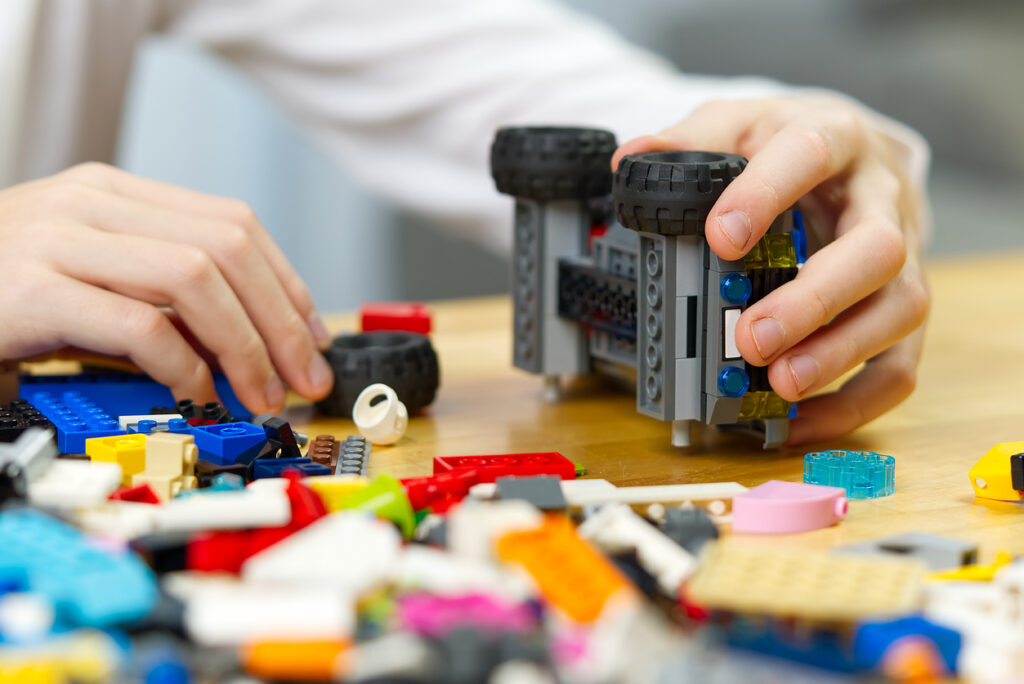
Mistakes are inevitable when building with Lego, whether it’s a collapsing tower or a misplaced piece halfway through. Learning to rebuild without frustration strengthens emotional resilience. This mindset makes handling setbacks in real life easier. You begin to see challenges less as failures and more as opportunities to rebuild and improve.
12. It keeps the brain young.
Engaging in mentally stimulating play is linked to protecting cognitive health as you age. Lego offers a fun, hands-on way of keeping the brain active and flexible well into adulthood. By combining memory, creativity, and problem-solving in one activity, Lego provides a workout for the mind. It proves that play isn’t just for children, it’s a tool for lifelong brain health.