Sports betting has become part of everyday life in the UK, from apps on your phone to adverts during football matches.
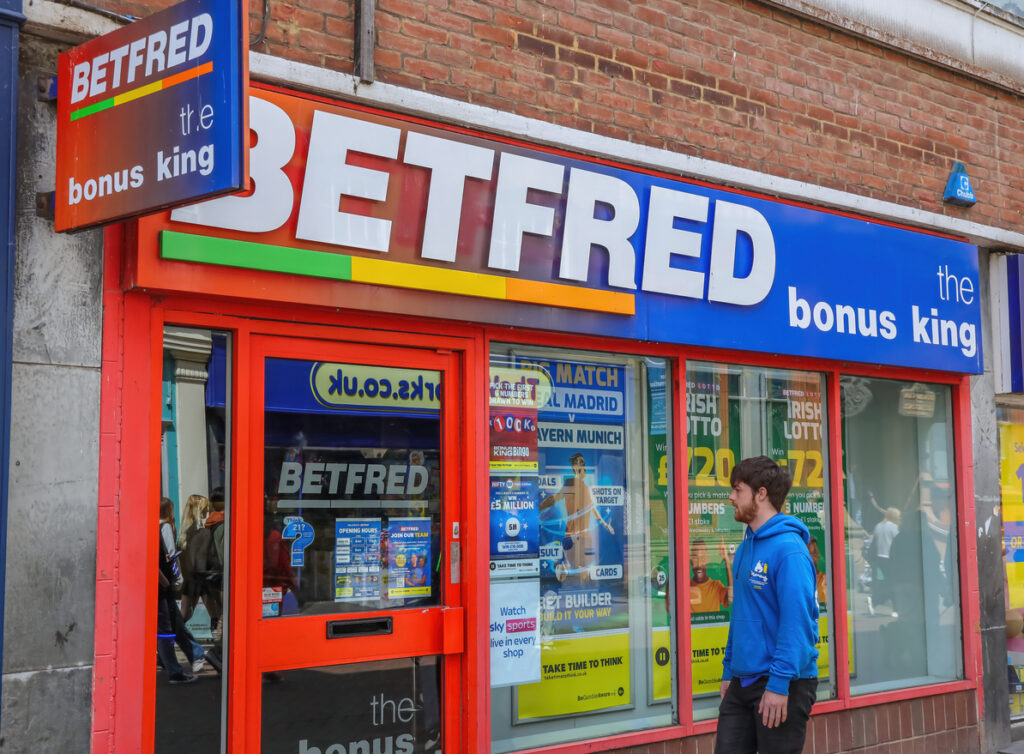
However, the damage is becoming impossible to ignore, with rising debts, younger fans pulled in too fast, and constant nudges to place another bet. So here are practical steps that could actually ease the pressure without killing the fun of the game. If we’re not careful, we could have a very serious problem on our hands. Here are some moves that could help improve the situation and keep it from spiralling out of control.
1. End betting on student and youth matches.

It makes no sense that anyone should be able to bet on young players, whether that’s university football or under-18 cricket. These markets only invite abuse when an individual’s mistake can cost money. Protecting young players means keeping betting out of their competitions entirely. If a match involves children or teenagers, it should never appear on a bookmaker’s site. Cutting these markets is one of the clearest ways to protect both players and the reputation of the sport.
2. Slow down in-play betting.

In-play markets, like betting on the next throw-in or free kick, are designed to be quick-fire. The problem is that they push people to keep chasing losses without time to think. On an app, those small bets rack up fast. Longer windows for placing them, fewer in-play markets per match, and built-in prompts to pause would help. It’s not about removing choice, but about giving people space to breathe rather than betting every minute of a game.
3. Keep the credit card ban strong.

The UK already bans gambling on credit cards, and it should stay that way. Borrowed money only makes losses snowball, and lifting that rule would be a gift to high-risk behaviour. So far, the ban has worked well without major drawbacks. Extending that principle to new payment methods that act like credit would close loopholes. Small withdrawal delays for accounts showing risk would also help people avoid instantly recycling their losses into more bets.
4. Make bookmakers share risk data.

It’s no secret that people often use more than one betting app. If you only track risk inside a single brand, the bigger picture gets missed. That’s why the UK is trialling a shared system called GamProtect, and it needs to become the standard. When operators can see warning signs across apps, they can step in earlier. With strong privacy rules in place, this kind of joined-up approach could stop people slipping through the cracks entirely.
5. Ring-fence funding for treatment.

Charity donations from bookmakers are patchy and unreliable, but the harm is steady. That’s why a statutory levy is now coming in, and it’s long overdue. Stable funding makes services independent and less tied to industry mood swings. Once in place, the real focus should be on visibility and access. Treatment should be easy to find on the NHS and through local charities, so help feels close and immediate rather than like a maze to navigate.
6. Rein in gambling adverts properly.

Rules like the “whistle-to-whistle” TV ban helped reduce exposure, but adverts are still everywhere, from social media to shirt sleeves. Premier League clubs have agreed to remove front-of-shirt gambling sponsors from 2026, which is progress, but it can’t stop there. Advertising around sport needs to be scaled back across the board. Caps on digital adverts, stricter age targeting, and cutting back on sign-up bonuses would stop betting from feeling like the default way to enjoy a match.
7. Tighten protections for students.

University campuses are an easy target for betting companies, with students seeing promotions at a time when money is tight and peer pressure is high. Weak age checks only add to the risk, especially for those just over 18. Universities and regulators should set hard rules against betting promos on campus and improve digital age-gating. Paired with clear education about risks, it could shield younger people who are more vulnerable to addiction.
8. Make safer-gambling tools the default.

Deposit limits, session reminders, and cool-off breaks are useful, but most are buried deep in settings. When people are already losing control, they are unlikely to go looking for them. Defaults need to be switched on, not hidden away. Setting lower limits as the baseline and letting people raise them only with extra checks would make a difference. It gives players a safety net from the start, rather than leaving them to struggle after the damage is done.
9. Protect players and referees from abuse.

It’s become common for athletes and officials to face abuse after matches linked to betting outcomes. This isn’t just a social media problem; it’s tied directly to markets that focus on individuals rather than teams. Removing those markets, enforcing ID verification, and treating abuse as a criminal offence would help. No player should have to be afraid of or deal with harassment just because someone lost money on their performance.
10. Crack down on illegal sites.

Every time the UK tightens a rule, offshore sites look more appealing, but they’re the most dangerous of all. These operators offer no protection, and often run markets banned in the UK, including those involving children’s games. Payment blocks, domain takedowns, and ad removals need to happen continuously. The safer, regulated market should always be the easiest one to access, otherwise the effort to reduce harm gets undermined.
11. Cut down push notifications.

Betting apps bombard people with odds boosts, last-minute deals, and late-night offers. It keeps players engaged when they should be stepping away. The constant drip-feed encourages chasing behaviour that is hard to stop. Limiting how often these alerts are sent, and banning overnight pushes, would give people breathing space. A quieter app means fewer nudges to place that one extra bet that often tips things over the edge.
12. Stop making betting part of fan culture.

From billboards in stadiums to betting logos on shirts, gambling has been stitched into football culture. While front-of-shirt sponsors are set to go, smaller logos and ads are still everywhere on matchdays. Clubs and broadcasters should pull back on how tightly gambling is linked to the sport. Fans want to enjoy football for the game itself, not feel like gambling is a requirement of fandom.
13. Treat gambling like a public health issue.

Much of the harm is concentrated in specific groups, particularly younger men betting online. That makes gambling more than just a personal choice issue; it’s a public health challenge that affects communities and services. By measuring gambling harm in the same way we track smoking or alcohol use, the government can design smarter policies. It shifts the responsibility from individuals alone to society as a whole, where prevention and support are built into the system.
14. Make self-exclusion simple and universal.

Self-exclusion schemes like GamStop already exist in the UK, but not everyone knows about them, and not every operator makes them obvious. People in trouble should not have to dig for solutions. One-tap access to self-exclusion, visible across every site and app, would raise awareness and uptake. When paired with funded counselling and debt support, it becomes a meaningful path to recovery rather than just a block on one account.
The UK is already ahead of many countries in recognising gambling harm, but progress has to be faster. Stronger ad rules, better protection for young people, and proper funding for treatment could make betting safer without stripping out the excitement. The question is whether regulators and clubs are willing to act before the damage deepens further.