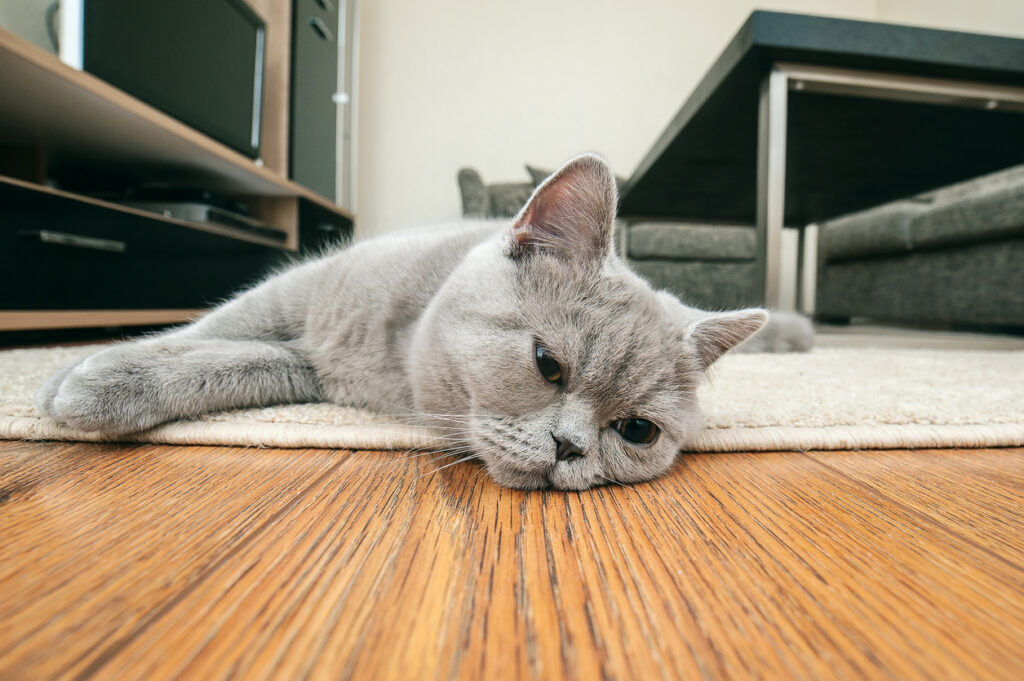
Cats are masters at hiding their feelings, but a bored cat will eventually show their frustration in ways that might seem like behavioural problems. Understanding these signs helps you provide the mental stimulation your feline actually needs. Here’s how you know your cat needs a bit more going on in its life.
1. They sleep way more than the usual 12 to 16 hours.
While cats naturally sleep most of the day, truly bored cats will sleep even more than normal because there’s literally nothing interesting happening. They’re not getting the mental or physical stimulation needed to keep them alert during their natural active periods.
If your cat seems almost comatose and rarely shows interest in anything, they might be sleeping from sheer lack of engagement. Healthy cats should have periods of alertness, curiosity, and playfulness, even if they’re champion sleepers.
2. They’re eating constantly or barely touching their food.
Boredom affects appetite in extreme ways. Some cats eat out of sheer boredom because it’s the only interesting thing available, but others lose interest in food entirely when they’re understimulated and mildly depressed.
Monitor whether your cat’s eating patterns have changed significantly. Sudden increases or decreases in appetite, especially when combined with other behavioural changes, often mean that your cat needs more mental engagement in their daily routine.
3. They’re destroying things they normally ignore.
Scratching furniture excessively, knocking things off surfaces more than usual, or shredding items they’ve previously left alone often indicates pent-up energy and frustration from lack of appropriate outlets for their natural behaviours.
This isn’t spite or malice; it’s your cat trying to create their own entertainment and exercise their hunting instincts. Destructive behaviour usually means they need more appropriate ways to scratch, climb, hunt, and explore.
4. They’re following you around constantly.
A cat who suddenly becomes your shadow, meowing for attention or getting underfoot more than usual, might be desperately looking for any form of interaction or stimulation. They’re essentially asking you to provide the entertainment they’re lacking.
While some cats are naturally social, a sudden increase in clingy behaviour often indicates boredom. They’re hoping you’ll provide the mental stimulation and engagement they can’t create for themselves in their current environment.
5. They’re grooming themselves excessively.
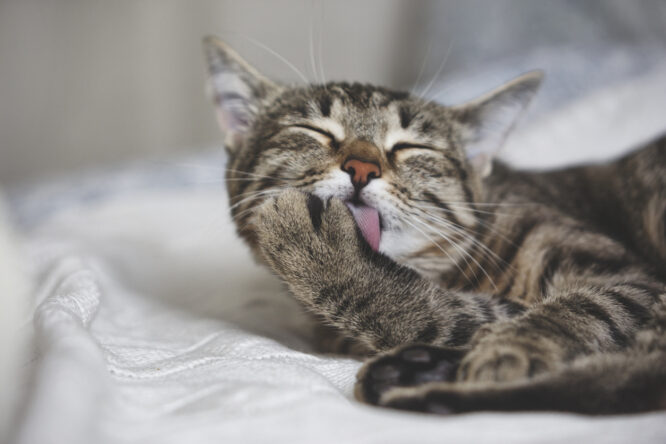
Overgrooming to the point of creating bald spots or skin irritation can indicate stress from boredom. When cats have nothing else to occupy their minds, they sometimes turn grooming into a compulsive behaviour that goes far beyond normal maintenance.
Look for thinning fur, red skin, or areas where they’ve licked themselves raw. That self-soothing behaviour often develops when cats lack sufficient mental stimulation and need more engaging activities in their daily routine.
6. They’re not interested in their usual toys.
Cats who used to play with certain toys but now ignore them completely might have outgrown those forms of entertainment. Just like humans, cats can get bored with the same activities and need variety to stay engaged.
Rotate toys regularly and introduce new types of play that challenge different instincts. If your cat isn’t playing with anything at all, they might need more interactive or challenging toys than whatever they currently have available.
7. They’re acting aggressive toward other pets suddenly.
Bored cats sometimes pick fights with other household pets simply because fighting is more interesting than lying around doing nothing. Their redirected energy can create tension between animals who previously got along fine.
If your previously peaceful multi-pet household suddenly has more conflicts, consider whether all animals are getting adequate mental stimulation. Bored cats often instigate problems because any interaction feels better than no interaction.
8. They’re vocalising more than normal.
Excessive meowing, yowling, or chattering, especially at odd hours, can be a sign of boredom and frustration. Your cat might be trying to communicate their need for more engagement, or simply making noise because they’re understimulated.
Pay attention to when the vocalisation happens and what seems to trigger it. Cats who meow persistently without obvious cause are often expressing their dissatisfaction with their current level of mental stimulation.
9. They’re staring out windows obsessively.
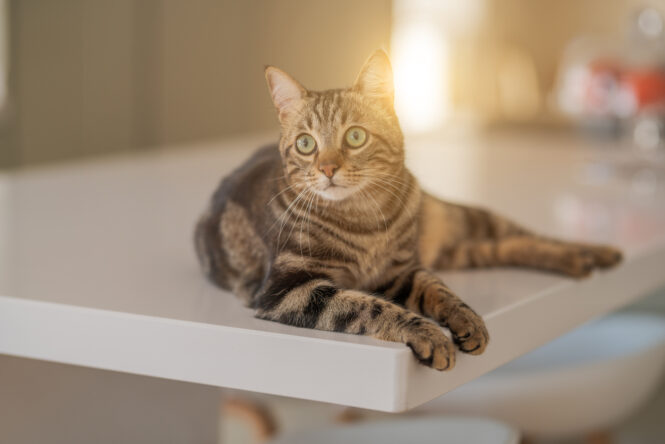
Window watching is normal cat behaviour, yes, but cats who spend most of their waking hours pressed against glass might be desperately wanting stimulation from the outside world because their indoor environment is too boring.
Their intense focus on outdoor activity often indicates they need more engaging indoor entertainment. They’re essentially watching “cat TV” because there’s nothing interesting happening in their immediate environment.
10. They’re hiding more than usual.
Cats who suddenly start spending most of their time under beds, in closets, or other hiding spots might be withdrawing due to boredom and mild depression. They’re essentially checking out because their environment offers nothing engaging.
While some hiding is normal, cats who avoid interaction entirely and stay hidden most of the time need environmental enrichment to draw them back into active engagement with their surroundings.
11. They’re not using their litter box properly.
Boredom and stress can manifest as inappropriate elimination, even in cats who’ve been perfectly house-trained for years. This isn’t necessarily a medical issue—it might be a behavioural response to understimulation and frustration.
Rule out medical problems first, but if health checks come back normal, consider whether your cat needs more mental enrichment. Bored, stressed cats sometimes act out through bathroom habits because they lack other outlets for their frustration.
12. They seem restless but don’t know what they want.
Cats who pace, seem agitated, or appear to be looking for something but can’t settle on any activity are often experiencing the feline equivalent of “I’m bored, but nothing sounds fun.” They want stimulation but don’t know how to get it.
Their restless energy needs direction through structured play, puzzle feeders, or environmental changes that give them specific activities to focus on rather than aimless wandering around looking for something interesting.
13. Create vertical territory with cat trees and shelves.
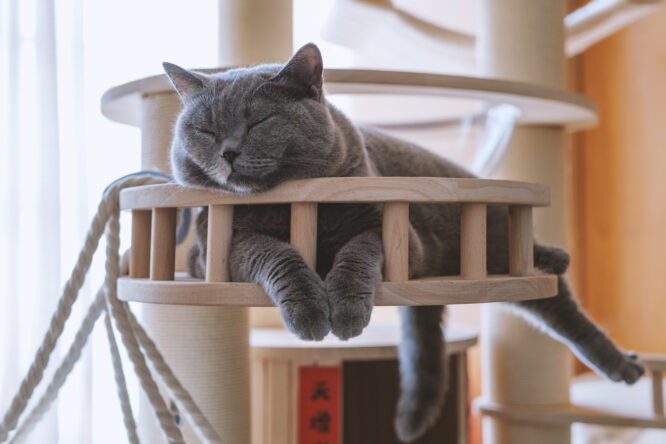
Cats naturally want to climb and survey their territory from high places. Installing cat trees, wall shelves, or perches gives them opportunities to exercise their climbing instincts and creates more interesting spaces to explore.
Height also provides security and viewing opportunities that make indoor life more engaging. Multiple levels allow cats to choose different perspectives on their environment, which adds complexity to their daily experience.
14. Set up puzzle feeders and food-dispensing toys.
Make eating more challenging and interesting by using puzzle feeders, treat balls, or hidden food stations around the house. This mimics hunting behaviour and turns mealtime into mental exercise rather than just consumption.
Rotate different types of food puzzles to maintain novelty. Some cats prefer rolling balls that dispense treats, others like puzzle boxes, and some enjoy searching for hidden food portions throughout their territory.
15. Provide regular interactive play sessions.
Schedule dedicated playtime using wand toys, laser pointers, or other interactive tools that trigger hunting instincts. Aim for at least two 10-15 minute sessions daily, focusing on play that ends with your cat feeling satisfied rather than frustrated.
Vary the types of play to keep things interesting—sometimes simulate bird movements with feather toys, other times use ground-based toys that mimic small prey. Let your cat “catch” the toy periodically to prevent frustration and maintain their interest in hunting games.