Once you become an adult, there are certain things you should know how to do.

Whether it’s how to balance your budget, how to do your own washing, or how to cook a meal, looking after yourself shouldn’t be rocket science. And yet, Google searches for terms like “how to use a mop,” “how to do laundry,” and “how to set up autopay” have hit record highs in 2025, per Axios, revealing a generation that’s reaching adulthood without fundamental life skills. Here are a few reasons people are growing up so unprepared.
1. Schools stopped teaching practical life skills decades ago.
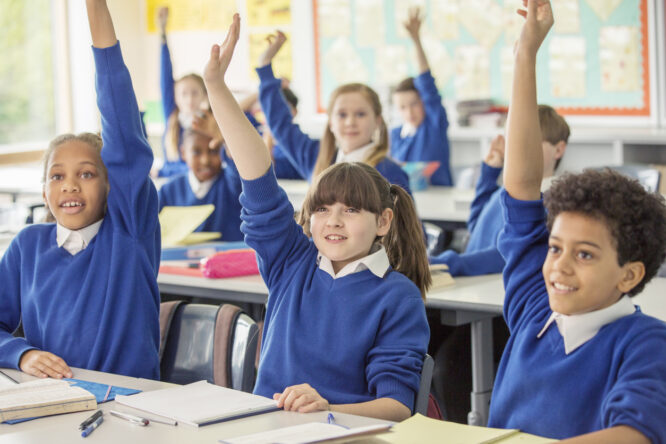
Home economics have been disappearing from secondary schools for more than a decade, and that’s a problem. The education system traded real-world preparation for test scores and academic achievements, leaving massive gaps in practical knowledge that people need to function as adults.
This means entire generations are graduating without ever learning to cook a basic meal, balance a budget, or understand how credit works. The assumption was that parents would fill these gaps, but that didn’t happen consistently across families.
2. Parents became too protective and did everything themselves.

Many parents adopted what researchers call the “slow life strategy”: doing more for their children and allowing them to gain independence much later than previous generations. The popularity of helicopter parenting meant kids never learned basic tasks because adults handled everything for them.
The result is adults who never learned to do their own laundry, cook meals, or manage basic household maintenance because someone else was always taking care of these things. Parents thought they were being helpful but actually created dependency.
3. Technology made convenience more appealing than learning.

Why learn to cook when you can order DoorDash? Why figure out cleaning when you can hire a service? Why learn car maintenance when you can just call roadside assistance? Modern convenience services have made it possible to avoid learning practical skills indefinitely.
Convenience culture means people can function day-to-day without actually knowing how to do basic adult tasks. They’re paying for services instead of developing competencies, which works until money gets tight or services aren’t available.
4. Financial literacy is practically non-existent.

A whopping 44% of Brits were found to have poor financial literacy in a 2022 study, and this percentage has been dropping over the past few years. Nearly half of Gen Z and millennials say they don’t feel financially secure, and more than half are living pay cheque to pay cheque.
Young adults are making major financial decisions like taking student loans and getting credit cards without understanding interest rates, debt management, or long-term financial planning. They’re learning about money through expensive trial and error rather than education.
5. Mental health issues are making basic tasks feel overwhelming.

With stress levels at record highs and only about half of young adults rating their mental health as good, even simple tasks can feel impossibly difficult. When you’re dealing with anxiety or depression, figuring out how to clean your bathroom or organise your finances feels insurmountable.
The combination of poor mental health and lack of basic life skills creates a vicious cycle where people feel more overwhelmed and incapable, which then worsens their mental state and makes learning new skills even harder.
6. Social media creates unrealistic expectations about adult life.

Instagram and TikTok show highlight reels of perfect homes, amazing meals, and flawless routines without showing the learning process or mistakes that happen behind the scenes. This creates unrealistic expectations about how easy adult life should be.
Young adults see these perfect presentations and assume everyone else naturally knows how to do everything, which makes them feel more inadequate about their own struggles with basic tasks and less likely to ask for help or admit they don’t know something.
7. Universities are having to create “adulting” courses.

Colleges like University of Waterloo in Canada now offer “Adulting 101” courses to teach students basic life skills like cooking, cleaning, budgeting, and time management. These classes are incredibly popular because students recognise they’re missing fundamental knowledge. And that’s just one example of the trend.
The fact that higher education institutions need to teach students how to do laundry and manage money shows how significant these skill gaps have become. These should be things people learn before leaving home, not after starting university.
8. The job market requires more education but teaches fewer practical skills.

More Gen Z members have gone to university than any previous generation, but higher education focuses on academic knowledge rather than practical life skills. Students can graduate with degrees but still not know how to change a tire or file self-assessments if they’re self-employed.
This creates adults who are highly educated in specialised fields but completely unprepared for basic adult responsibilities. They know complex theories but can’t cook a meal or clean their living space properly.
9. Economic pressures make learning feel like a luxury.

When you’re working multiple jobs or struggling to pay rent, taking time to learn how to cook or properly clean feels like an unaffordable luxury. It’s easier to grab fast food or live in a messy space than invest time in developing these skills. The immediate survival mode that many young adults live in prevents them from building the foundation skills that would actually save them money and improve their quality of life in the long run.
10. There’s no shame in admitting you don’t know something anymore.

The internet has normalised not knowing basic things, with millions of people openly searching for “how to use a washing machine” or “how to iron clothes.” This transparency is actually positive because it makes learning more accessible. YouTube tutorials and online guides have made it easier than ever to learn these skills, but they’ve also revealed just how many adults are starting from scratch with fundamental life tasks that previous generations learned as children.
11. Convenience culture created learned helplessness.

When everything can be delivered, outsourced, or automated, people never develop the confidence that comes from solving problems themselves. This creates learned helplessness where adults assume they can’t figure things out rather than trying to learn.
The solution isn’t to eliminate convenience services, but to consciously choose to learn some basic skills so you’re not completely dependent on other people for fundamental needs like food preparation and home maintenance.
12. The skill gap is creating new business opportunities.

Adult education centres, online courses, and even apps are popping up to teach basic life skills to grown adults. There’s a whole industry developing around teaching people things their parents and schools didn’t cover. Services like meal kit deliveries, cleaning tutorials, and financial coaching are thriving because so many adults recognise they’re missing fundamental knowledge and are willing to pay to learn it.
13. This reveals deeper problems with how we prepare people for independence.

The basic life skills crisis isn’t really about not knowing how to do laundry. Really, it’s about a system that’s failing to prepare people for independent adult life. We’ve created educational and parenting approaches that prioritise short-term achievements over long-term capabilities.
The solution requires changes at multiple levels: schools need to bring back practical life skills education, parents need to involve kids in household tasks rather than doing everything for them, and individuals need to prioritise learning these skills even when it’s easier to outsource them.