Supermarket staples are hiding more microplastics than you might think—many, many more, in fact.
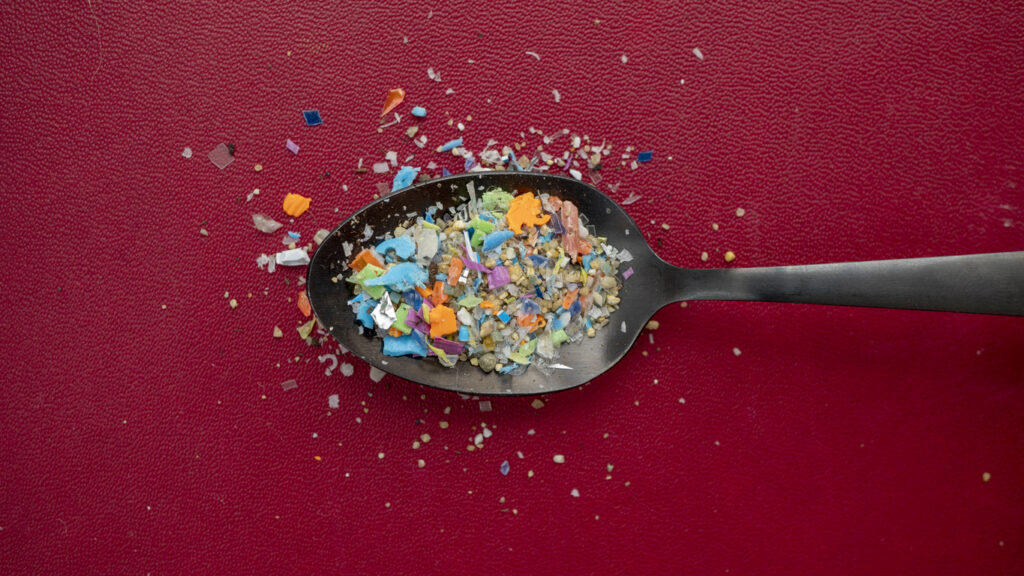
Recent research shows these tiny particles are ending up in your weekly shop through packaging, processing, and even the air around your food. A study from 2022 revealed that just one traditional roast dinner can contain 230,000 microplastic particles, with plastic-wrapped ingredients containing seven times more contamination than loose produce. The problem isn’t going away. Unfortunately, it’s getting worse, and while you can’t avoid it completely, you do need to know what to watch out for.
1. Pre-packaged meat and poultry are major sources.
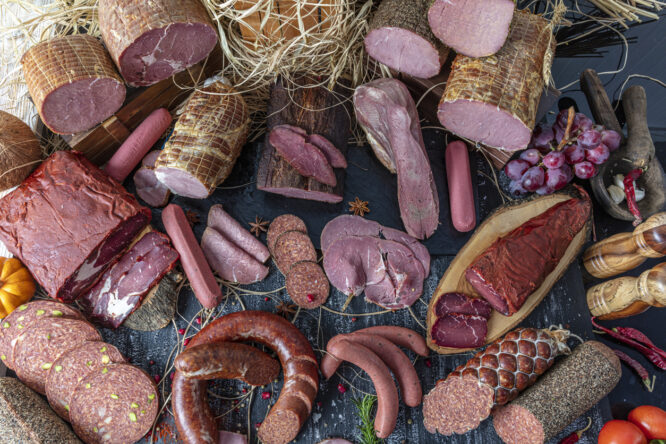
When you rip plastic wrap from meat or prepackaged products, you’re potentially contaminating your food with micro- and nanoplastics, according to new research. Processed meats like sausages, chicken nuggets, and deli items are particularly problematic because they go through multiple manufacturing steps that increase contact with plastic equipment.
Switch to buying meat from the butcher counter where it’s wrapped fresh, or choose loose items when possible. A study found that a chicken nugget contained 62 microplastic particles per serving, while a chicken breast had just two. The more processing involved, the higher the contamination levels become.
2. Bottled water contains shocking amounts of microplastics.
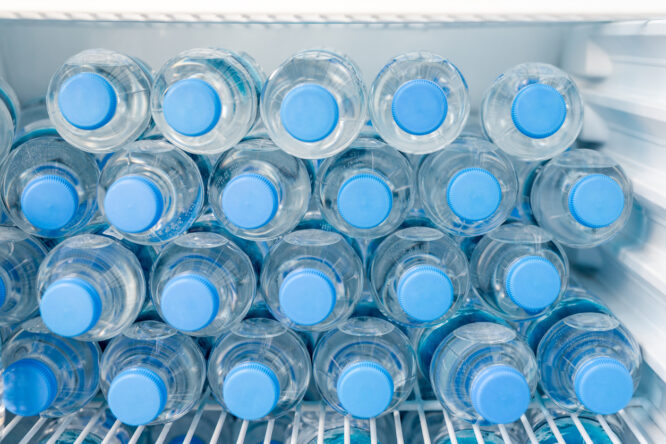
Research discovered that just two bottles of water can hold an average of 240,000 tiny plastic particles, many of which are so minuscule that they can’t even be seen with a microscope. This is particularly ironic since many people buy bottled water, thinking it’s cleaner than tap water.
Bottled water contains roughly twice as many plastic particles compared to tap water. Invest in a good water filter for your home and use a reusable metal or glass bottle instead. The convenience of bottled water isn’t worth the massive plastic exposure you’re getting.
3. Tea bags are releasing billions of particles into your cup.
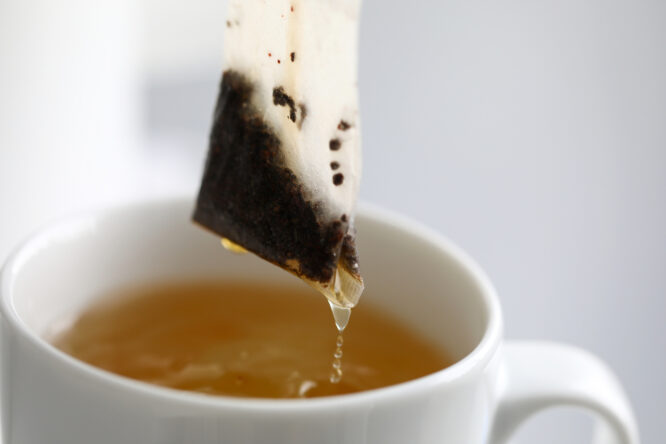
A study by McGill University discovered that steeping a single tea bag in hot water releases around 11.6 billion microplastic particles and 3.1 billion even smaller nanoplastics into your beverage. This happens because many tea bags are heat-sealed using polypropylene plastic or made with plastic mesh.
Over the past six years, brands have been phasing out the use of plastic in their teabags. Look for plastic-free tea bags or switch to loose-leaf tea with a metal strainer. Many major brands now clearly label their bags as plastic-free, so check the packaging before buying.
4. Rice absorbs microplastics through its growing environment.
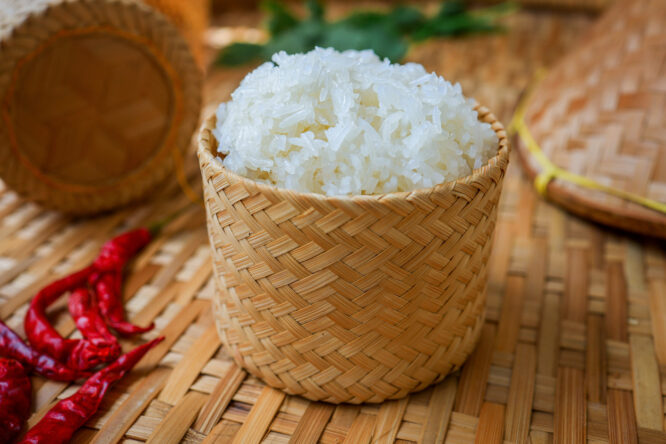
A University of Queensland study found that eating just half a cup of rice could expose you to three to four milligrams of microplastics, with instant rice containing as much as 13 milligrams per serving. Rice plants absorb these particles through their root systems from contaminated soil and water.
Rinsing rice well before cooking can significantly reduce microplastics by as much as 40%. Always wash your rice thoroughly in cold water until the water runs clear, and consider buying organic rice from areas with less industrial contamination when possible.
5. Himalayan and rock salts contain more contamination than sea salt.
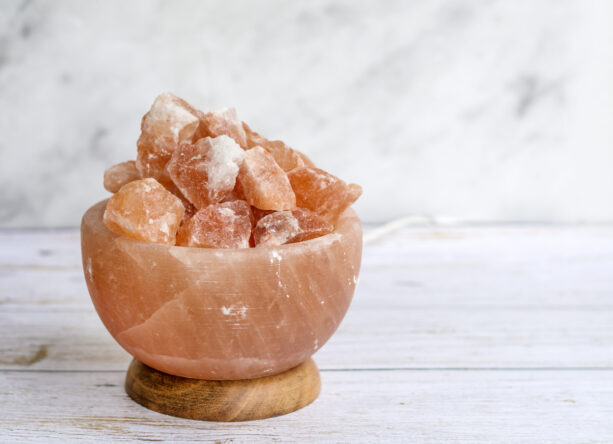
A 2023 study revealed that salts mined from land, like Himalayan and black salt, have even more microplastics than ocean-derived sea salts, with one study finding that 90% of 39 salt brands from around the world contained microplastics. The contamination comes from environmental pollution and packaging practices.
Choose salt packaged in glass or cardboard containers rather than plastic. Sea salt might be a better option than rock salt, but even that’s not guaranteed to be clean. Consider reducing your overall salt intake rather than trying to find completely clean sources.
6. Fresh produce picks up contamination from soil and packaging.
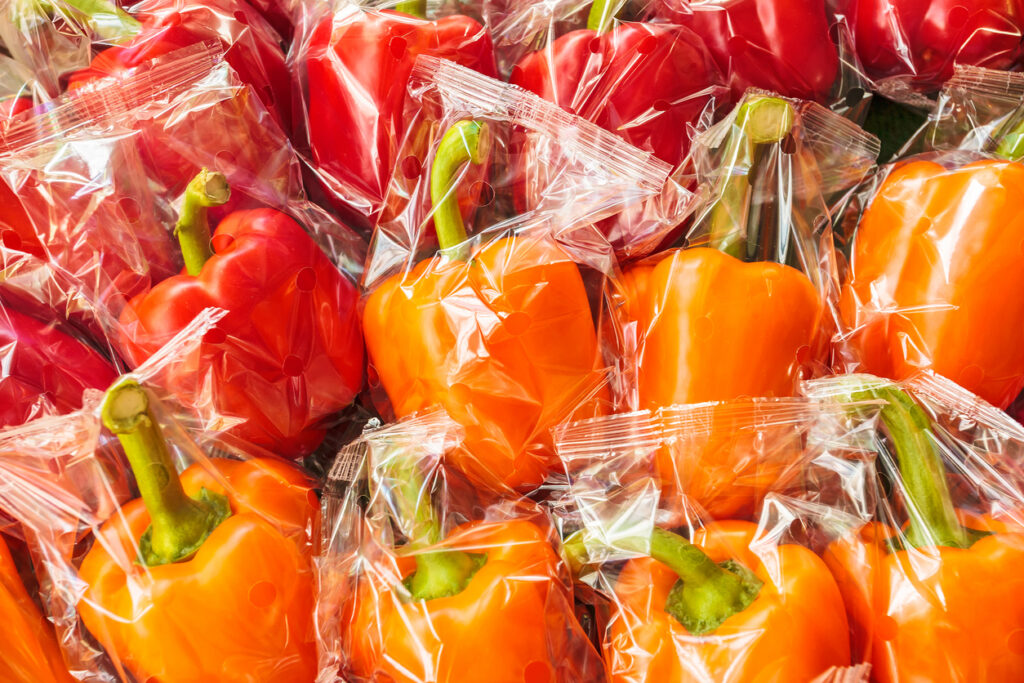
Recent research suggests plants can absorb microplastics through their root systems, transporting them into their leaves, stems, and fruit, with apples topping the list of most contaminated fruits, containing over 100,000 microplastic particles per gram. Root vegetables like carrots are particularly vulnerable.
A single gram of carrot can contain more than 100,000 microplastic fragments, and studies show that plastic-wrapped ingredients contain seven times more microplastics than loose produce. Buy loose fruit and vegetables when possible, wash everything thoroughly, and consider peeling root vegetables to reduce exposure.
7. Processed foods contain significantly higher levels.
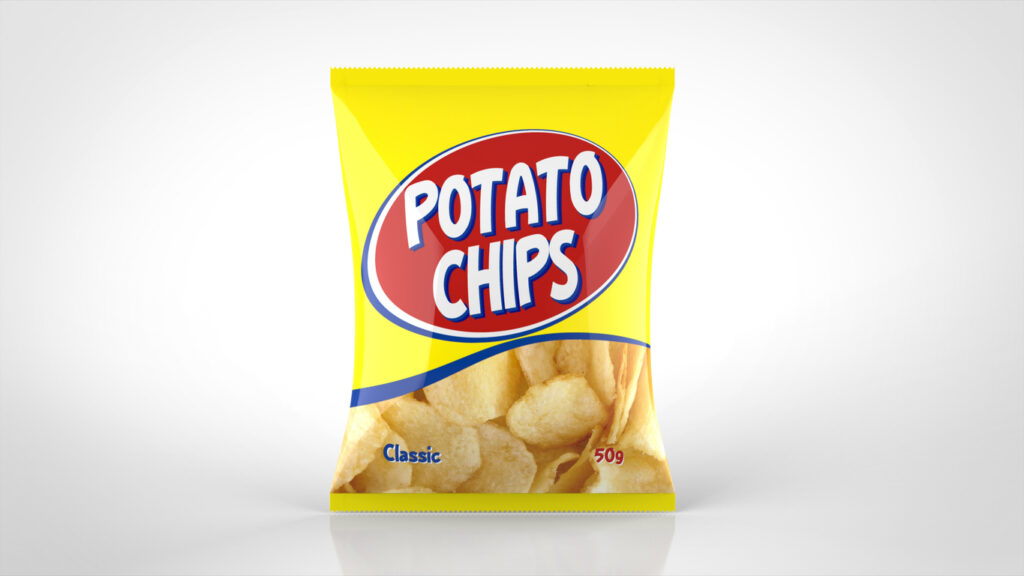
Ultraprocessed foods contain significantly more microplastics than minimally processed foods due to higher numbers of manufacturing steps, which can increase the contact time with plastic food processing equipment. Ready meals, packaged snacks, and convenience foods are all high-risk items.
A study at the Ocean Conservancy found that 88% of both vegetable and animal proteins contain microplastics, with highly processed proteins storing the most microplastics. Cook more meals from scratch using whole ingredients rather than relying on processed convenience foods. It’s not just healthier overall, but it reduces your plastic exposure too.
8. Glass bottles with plastic caps shed particles into drinks.
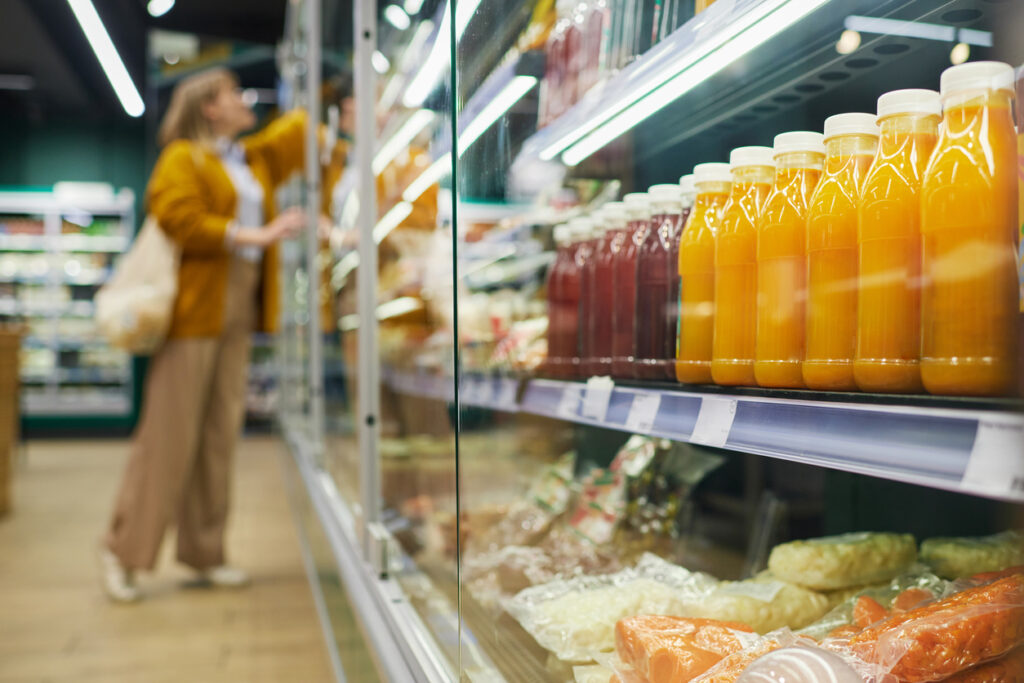
Glass bottles and jars with plastic-coated metal closures may also shed microscopic bits of plastic, with the abrasion from repeatedly opening and closing caps on glass and plastic bottles releasing untold amounts of micro- and nanoplastics into beverages. Even products you think are safe can be contaminated.
French researchers found about 100 microplastic particles per litre of beverage in glass containers, or five to 50 times more than in plastic bottles or cans, due to polyester paint on metal caps. Look for products with unpainted caps, or consider transferring drinks to clean glass containers after opening.
9. Honey contains particles from environmental contamination.

Studies have shown that bees can carry or consume microplastics, with the particles ending up in hives before getting picked up within honey, even when packaged in glass. This shows how widespread environmental contamination has become.
Buy honey from local beekeepers who use more natural and sustainable harvesting processes, as they may have lower microplastic contamination levels. Supporting local producers also means you can ask about their practices and choose those who prioritise environmental protection.
10. Seafood contains particles throughout the food chain.
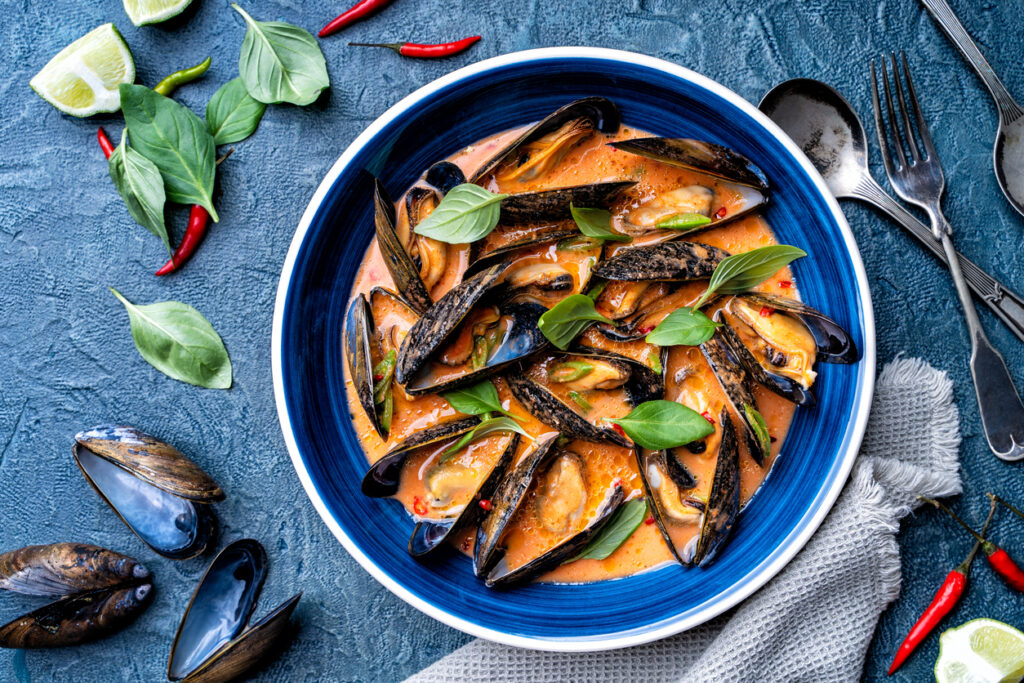
Portland State University recently reported a study in which they found microplastics in 180 of 182 seafood samples, with shellfish like mussels, oysters, scallops having higher concentrations than fish without shells. This happens because filter-feeding sea life consumes contaminated plankton.
Since microplastics usually start out in an animal’s gut, seafood which includes the animal’s stomach may be more likely to contain higher levels of microplastic. Choose fish over shellfish when possible, and remove the digestive tract from whole fish before cooking to reduce exposure.
11. Sugar contains particles in every sample tested.
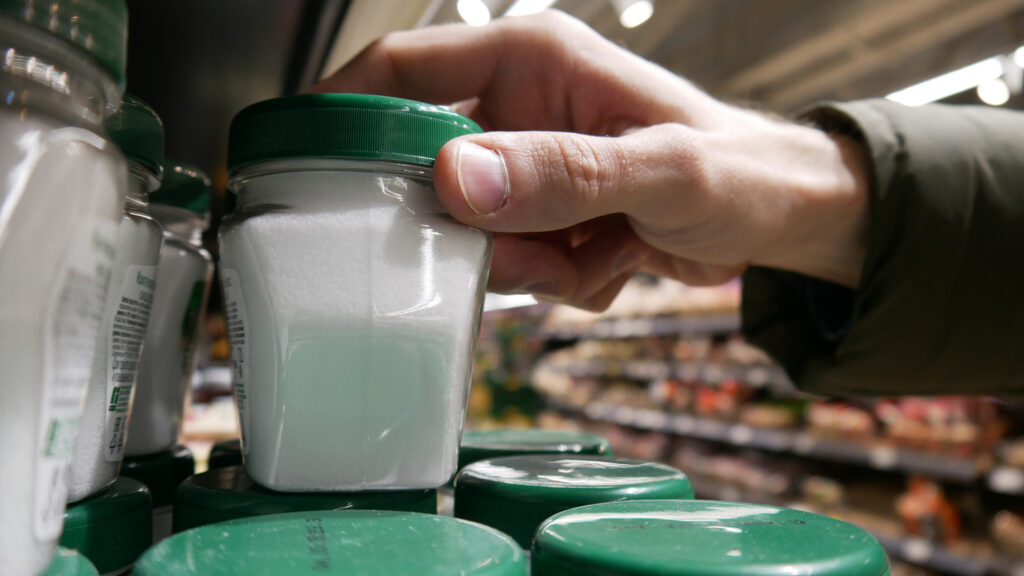
A 2022 research effort examining various commercial and unbranded sugars found plastic particles in every sample tested, making refined sugar a major carrier of microplastics. This contamination likely occurs during processing and packaging stages.
Consider reducing your overall sugar intake and using alternatives like honey from trusted local sources when possible. If you do buy sugar, choose products packaged in paper or cardboard rather than plastic containers, though contamination can still occur during processing.
12. Plant-based meat alternatives rank among the most contaminated.
Plant-based nuggets, produced by brands like Morning Star and Impossible, rank among the most microplastic-contaminated protein products. The extensive processing required to create meat-like textures increases contamination opportunities.
A 2024 study found that tofu had one of the lowest levels of microplastic concentrations among protein sources. If you’re choosing plant-based proteins, opt for less processed options like tofu, tempeh, or whole legumes rather than highly processed meat substitutes.
13. The packaging problem is getting worse despite promises.
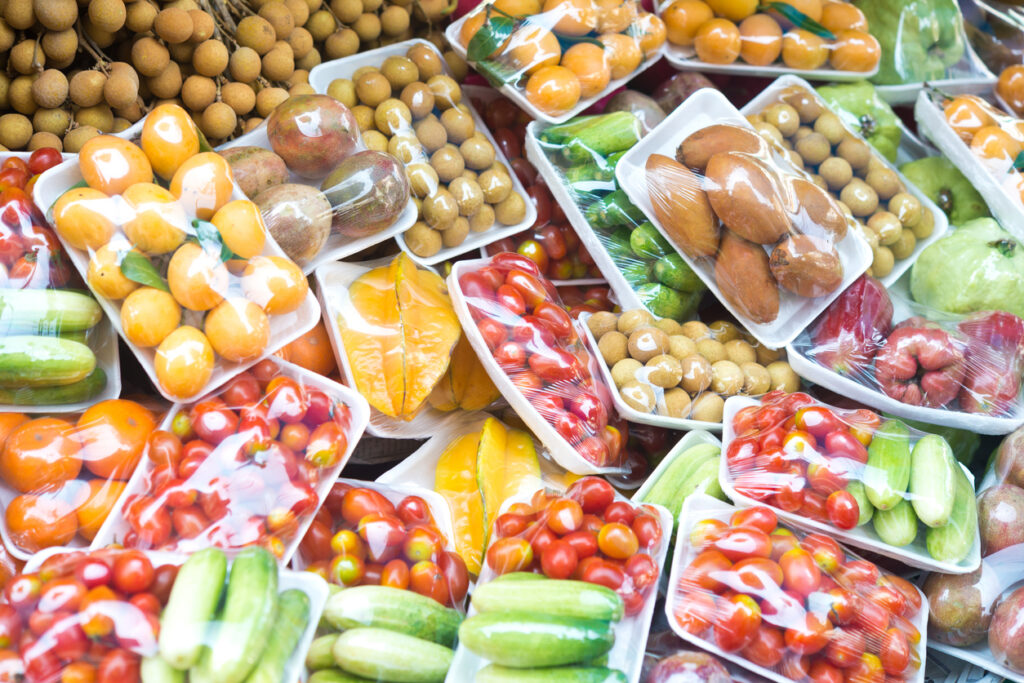
Five years ago, major UK supermarkets pledged that all their plastic packaging would be reusable, recyclable, or compostable by 2025 under the UK Plastics Pact, but recent WRAP data suggests only approximately 70-80% of supermarket plastic packaging meets the criteria. The revolution promised hasn’t materialised.
Economic pressures have caused some retailers to prioritise cost over sustainability, with promised investment in alternative packaging dropped. Vote with your wallet by choosing loose produce, bringing your own containers to delis and butchers, and supporting retailers that are genuinely reducing plastic packaging rather than just making promises.