The global population is getting older, but not all countries are ageing at the same pace.

Changes in birth rates, healthcare, and culture mean some nations face much sharper challenges than others. These differences are already shaping economies and everyday life. These are some of the triumphs and tribulations being faced around the world when it comes to citizens getting older.
1. Japan leads the way.

Japan has one of the world’s highest proportions of elderly citizens, with around a third of its population over 65. Low birth rates combined with long life expectancy have created a society where ageing is the defining demographic feature. You can see the effects in labour shortages, pension strain, and the rise of elderly care industries. Japan is adapting with technology and workplace reforms, showing other nations what might soon be unavoidable for them too.
2. Italy faces shrinking families.

Italy’s ageing issue comes largely from a steep fall in birth rates. With fewer young people entering the workforce and more older citizens living longer, the balance is changing dramatically, leaving both economic and social gaps. You can spot the impact in emptying towns, increasing pension costs, and limited support for younger workers. Encouraging family growth and immigration are two strategies Italy is trying, though progress is slow.
3. Germany deals with worker shortages.

Germany is another country where an ageing population is becoming the main concern. Retirements are outpacing new entries into the workforce, leaving vital industries struggling to fill roles and maintain productivity. You can already see stronger pushes for immigration and longer working lives as solutions. Germany is showing how important policy flexibility is when the balance between young and old tilts so dramatically.
4. South Korea is ageing fastest.
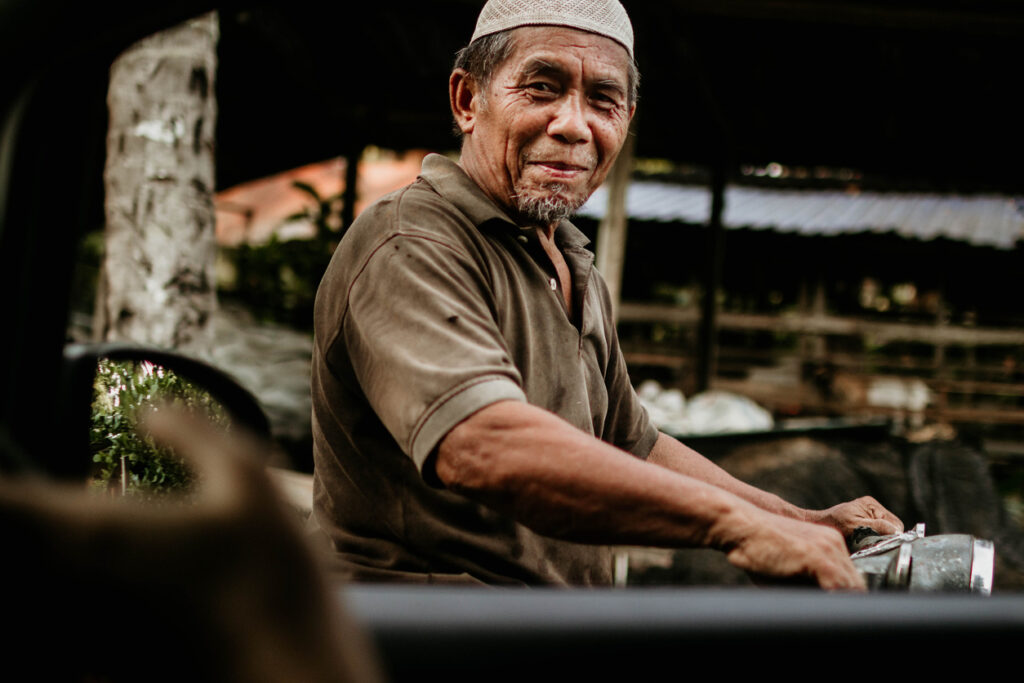
South Korea has the lowest birth rate in the world, and its population is set to shrink rapidly in the coming decades. The pace of ageing here is even faster than Japan, making it one of the most extreme cases globally. You can understand the urgency by looking at the pressure on schools, housing markets, and national finances. South Korea’s situation highlights how quickly demographics can flip when birth rates fall too far.
5. China faces a sharp turnaround.
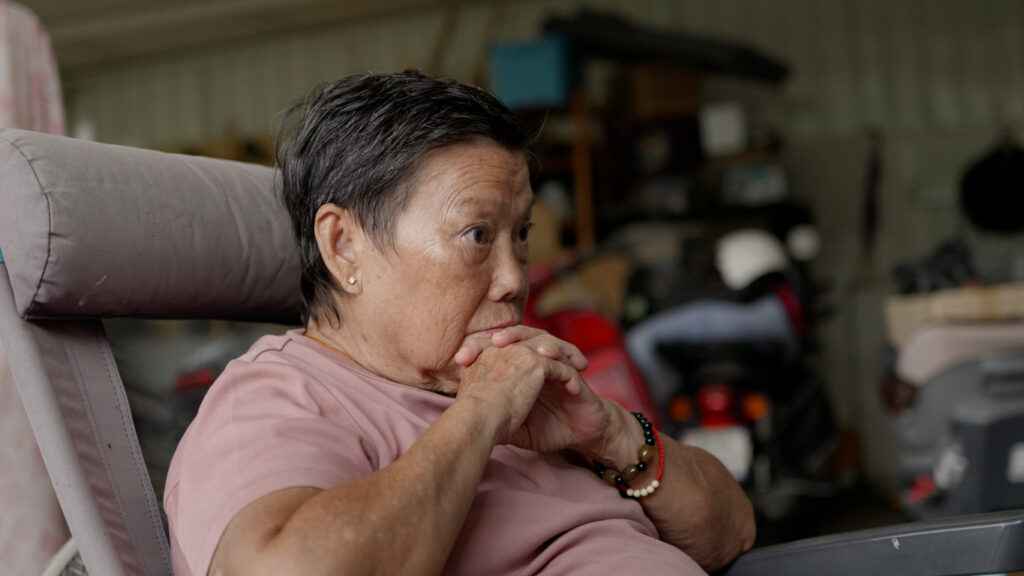
China’s one-child policy created decades of rapid population growth control, but the result is a steep ageing trend now. With fewer young people supporting a massive older generation, the change is happening faster than many anticipated. You can see the government reversing course with policies encouraging larger families, but cultural and economic pressures make it difficult. China’s challenge will be balancing care for the elderly with growth in a slowing economy.
6. France manages through policy.

France is getting much older, too, but it has slightly higher birth rates than many European neighbours. Family-friendly policies like childcare support and parental leave have slowed the trend, though the population is still steadily getting older. You can see the advantage in stronger workforce stability compared to countries like Italy. France shows how proactive policies can soften the sharpest effects of an ageing population, even if they don’t stop it entirely.
7. The UK faces healthcare strain.

Britain’s population is steadily ageing, with life expectancy rising and birth rates slipping. The biggest challenge is healthcare, as the NHS struggles to meet the growing demands of older patients with complex, long-term conditions. You can see the effects in longer waiting times and stretched services. The UK’s experience highlights how vital healthcare planning is in ageing societies, since medical systems bear the heaviest burden.
8. Spain balances longevity and low births.

Spain has one of the highest life expectancies in the world, but also one of the lowest birth rates. This combination accelerates ageing, leaving communities with more retirees than working-age citizens to sustain them. You can see the cultural impact in changing family structures and rural depopulation. Spain is experimenting with incentives for young families, but the demographic gap continues to widen.
9. The US ages unevenly.

The United States has a large elderly population, but immigration and slightly higher birth rates slow the trend compared to Europe and East Asia. Still, the Baby Boomer generation is pushing America into a new demographic phase. You can see regional differences, with states like Florida and Maine ageing faster than others. The US shows how immigration and size cushion some effects, but don’t erase the challenges entirely.
10. Eastern Europe faces rapid decline.

Countries like Bulgaria, Romania, and Poland face steep ageing trends combined with emigration. Younger citizens moving abroad for work leave behind older populations and shrinking local economies. You can see the consequences in depopulated villages and weakened labour markets. Efforts to lure citizens back or attract new workers highlight the struggle smaller nations face in sustaining their societies.
11. Scandinavia focuses on balance.

Denmark, Sweden, and Norway are also ageing, but their strong welfare systems cushion the blow. Birth rates are higher than in Southern Europe, and social policies make raising children more feasible. You can see the difference in how these nations manage the balance between young and old. Investment in childcare and pensions allows them to handle demographic changes more smoothly than countries without similar systems.
12. Developing nations are catching up.

Places like Brazil, Mexico, and India are still relatively young compared to Europe or East Asia, but they’re ageing faster than expected. Falling birth rates and improved healthcare are rapidly reshaping their demographic profiles. You can see the challenge in building pension and healthcare systems quickly enough to cope. These nations show that ageing isn’t just a wealthy-country issue; it’s a global trend arriving sooner than many planned for.
13. Global consequences are unavoidable.

As more countries age, the ripple effects touch everything from global markets to migration patterns. With fewer working-age people and more retirees, economies face slower growth and higher care demands worldwide. You can respond to this reality by recognising that ageing isn’t just a local issue. Stronger international cooperation, smarter technology use, and rethinking how societies support all generations will be key to handling the change.