
A lot of people wind down by watching something before bed, but whether it actually helps or makes sleep worse is still up for debate. Some say it shuts off racing thoughts, while others swear it keeps their brain buzzing all night. Here are some things that explain how late-night watching really affects your mind, and it’s both good and bad.
Distraction can feel like relief.
When your brain won’t switch off, watching a show can pull your attention away from spiralling thoughts. Instead of replaying the day, you get caught up in a storyline that feels easier to sit with. That sort of distraction isn’t always bad because sometimes you just need a break from yourself. The relief of focusing on something else can make drifting off feel less intimidating.
The blue light messes with sleep signals.
Screens give off blue light, which tells your brain it’s still daytime. That’s why watching too close to bedtime can delay the natural release of melatonin that helps you feel sleepy. Even if you feel calmer, your body clock might not agree. The result is lying there longer than you’d like before sleep finally arrives.
Comfort shows calm the nervous system.
Rewatching old favourites can be surprisingly soothing because you already know what’s coming. There are no surprises, no cliffhangers, just something familiar that feels safe. That sense of predictability helps take the edge off stress. It works almost like background noise that slows down the racing pace of your thoughts.
Intense shows do the opposite.
If you’re glued to a thriller or emotional drama, your brain often winds up more alert instead of relaxed. The suspense or heavy topics can make it harder to let go when you finally close your eyes. Instead of switching off, your brain replays what you just watched. The very thing that felt like a distraction can quickly become more fuel for restless thoughts.
It depends on what you watch.
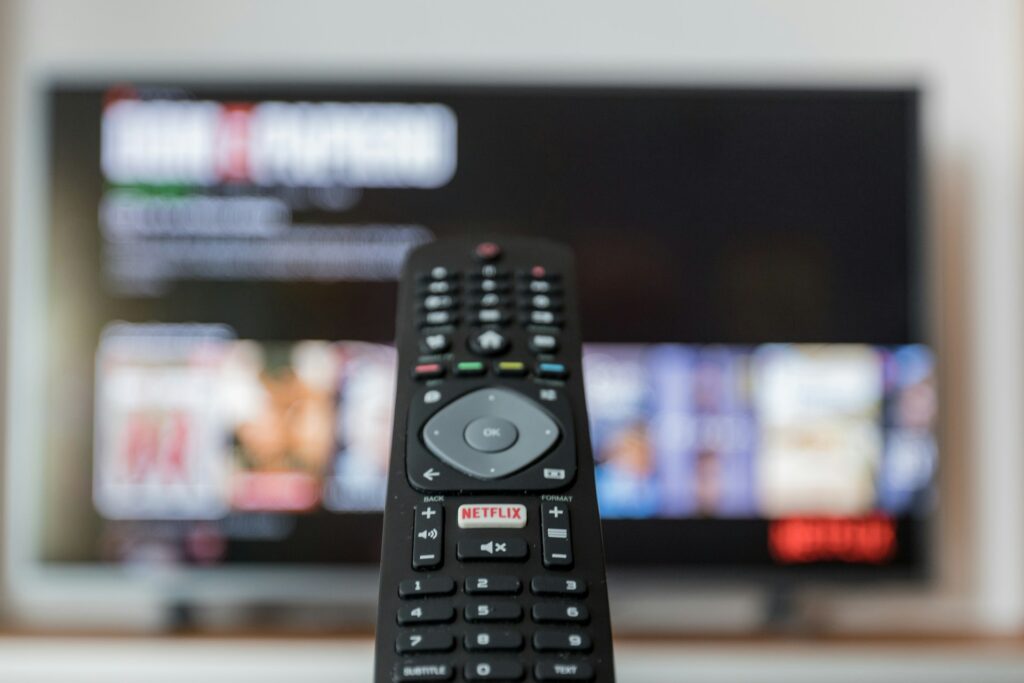
A slow documentary or gentle comedy is far less stimulating than fast action scenes. What you choose matters as much as the fact that you’re watching at all. Lighthearted or calm content is more likely to help your brain settle. Anything with high stakes tends to stick around long after the screen goes dark.
Watching can become part of your routine.
For some people, putting on a show signals that the day is done. It becomes a ritual that helps their body know it’s time to slow down. When it’s consistent, the routine itself feels comforting. The show is less important than the habit of winding down in a predictable way.
It’s easy to lose track of time.
One episode often turns into three, and suddenly, it’s well past midnight. The problem isn’t just what you’re watching, but how long you let it go on for. That delay pushes back your whole sleep cycle. Even if the watching felt relaxing, the lack of sleep catches up with you the next day.
It can silence anxious thoughts temporarily.
When your mind is noisy with worry, a show can drown it out. For that window of time, you don’t have to sit with racing thoughts that usually take over at night. The catch is that the thoughts often come back as soon as you switch the screen off. It’s a short-term fix, not a permanent solution.
Some people swear it improves their sleep.
Plenty of people say they can’t sleep without background noise. A quiet room feels too sharp, so they rely on shows to soften the silence. For them, the sound itself becomes a sleep aid. It may not be perfect, but if it works consistently, it feels like the lesser evil compared to lying awake in silence.
Others find it leaves them wired.

Not everyone reacts the same way because some brains stay alert with too much stimulation. Even calm shows can keep their minds active, especially if they’re already prone to restlessness at night. Instead of relaxing, they end up lying awake replaying lines or scenes. For those people, watching just adds another obstacle to sleep.
It’s linked with your stress levels.
On high-stress days, the urge to switch on a show at night can feel stronger because you’re desperate for something to take the edge off. It acts like a coping mechanism when you don’t know how else to quiet your mind. On calmer days, you may not feel the same pull. That change shows how much your stress level influences whether watching helps or hinders you.
Balance makes the biggest difference.
For most people, it’s not about whether watching before bed is good or bad, it’s about how and when you do it. A single light show early in the evening is very different from three intense episodes at midnight. Finding balance means noticing how your body reacts and adjusting from there. What quiets one person’s brain might keep someone else wide awake, and the trick is figuring out where you land.