The ‘last digit’ savings trick is subtly revolutionising how Brits approach money without requiring dramatic lifestyle changes or complicated budgeting systems.

If you’ve never heard of it, don’t worry. It’s just a simple method that works by rounding up everyday purchases to the nearest pound and automatically saving the difference, turning tiny amounts into substantial sums in the long run while you don’t really notice the difference in the present. It’s actually pretty clever.
1. Your brain doesn’t register small amounts as real money.
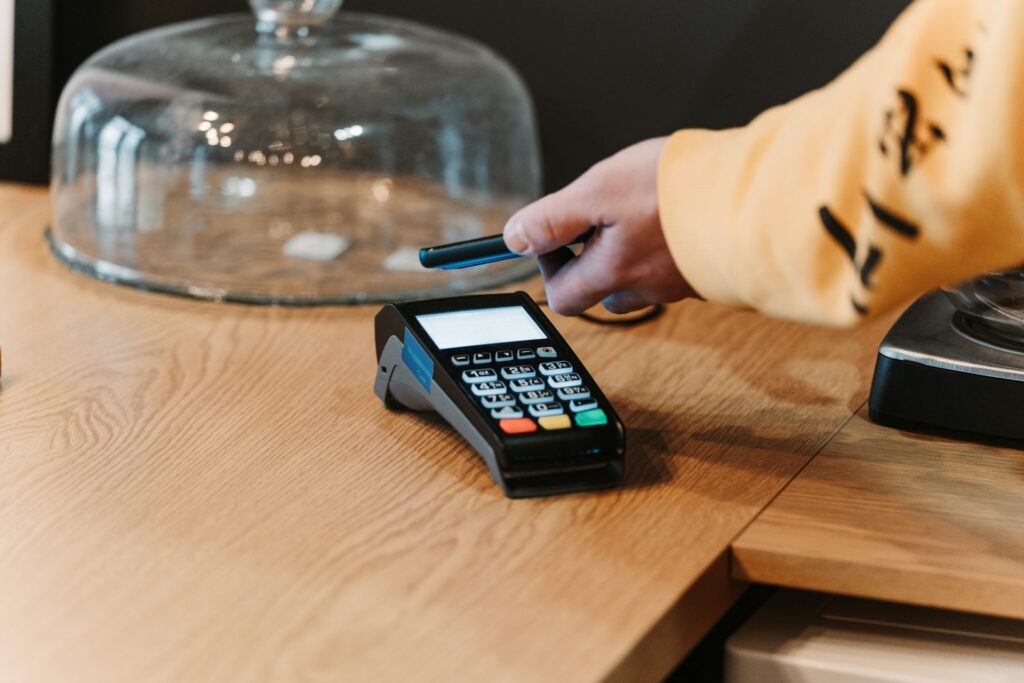
When you spend £4.73 on coffee, your mind rounds it to £5 anyway, so you don’t feel the extra 27p disappearing from your account. That psychological blind spot means you can save without experiencing the pain of reduced spending power. Use this mental quirk to your advantage by setting up automatic rounding on purchases. Most banking apps now offer the feature, turning every transaction into a painless micro-saving opportunity.
2. It builds on spending habits you already have.

Unlike traditional savings methods that require you to remember to transfer money or cut expenses, the last digit trick piggybacks on purchases you’re making anyway. There’s no additional decision-making or willpower required. Link your savings to existing routines rather than trying to create entirely new habits. The easiest changes are the ones that feel like no change at all.
3. Small amounts add up faster than you’d expect.

Saving 20-80p per transaction might seem insignificant, but if you make 15 purchases a week, you could easily save £200-400 per year without thinking about it. The compound effect of frequent small amounts surprises most people. Don’t dismiss micro-savings because individual amounts feel trivial. Set up automatic rounding and check your balance after three months to see the real impact.
4. It bypasses the “I can’t afford to save” mindset.

Many people think they need to save large amounts to make it worthwhile, but the last digit trick proves that even tiny contributions matter. It works for people on any income level because it’s proportional to your spending. Start with whatever you can manage, even if it’s just rounding up to the nearest 10p. The habit of saving matters more than the amount when you’re building financial momentum.
5. There’s no guilt when you need to access the money.

Since you never felt like you were saving the money in the first place, you don’t feel bad about spending it when emergencies arise. This removes the psychological barrier that stops people from dipping into traditional savings accounts. View your roundup savings as your first emergency buffer rather than untouchable money. Having accessible savings reduces financial stress more than having locked-away funds you’re afraid to touch.
6. It works automatically without apps or reminders.
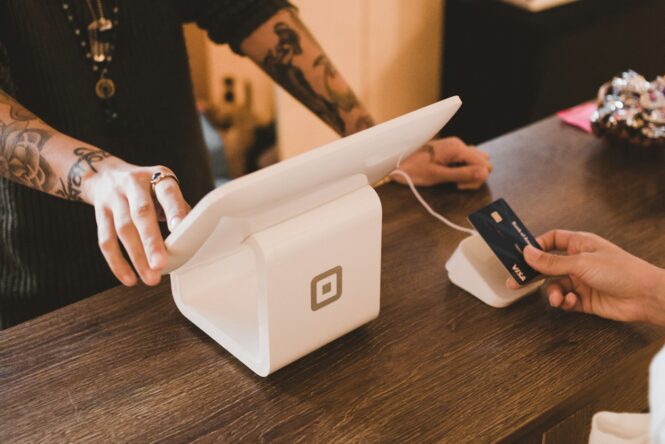
Most UK banks now offer roundup savings as a built-in feature that requires zero ongoing maintenance. Once you’ve set it up, it runs in the background without requiring your attention or decision-making. Automate as many financial decisions as possible to remove the burden of constant money management. The best systems are the ones you can set up once and forget about.
7. You can adjust the rounding amount to match your comfort level.

Some people round to the nearest pound, others to the nearest £5 or £10, depending on their spending patterns and comfort levels. The flexibility means you can start small and increase as you get used to the system. Begin conservatively with basic rounding and gradually increase the amount as you realise you don’t miss the money. You can always scale back if the amounts feel too aggressive.
8. It creates a savings habit without requiring discipline.

Traditional saving requires regular conscious decisions to transfer money, but roundup saving happens automatically with every purchase. This builds the psychological pattern of saving without relying on motivation or self-control. Focus on creating systems that don’t depend on your willpower or memory. The most successful financial habits are the ones that happen whether you’re feeling motivated or not.
9. It’s invisible to your day-to-day budgeting.

Because the amounts are so small and spread across many transactions, they don’t noticeably impact your available spending money. Your weekly or monthly budgets continue working exactly as they did before. Choose savings methods that complement rather than complicate your existing money management systems. The goal is to improve your finances without making them more stressful to manage.
10. It takes advantage of contactless payment trends.

Since most purchases are now made with cards or phones rather than cash, the digital infrastructure already exists to capture and save these small amounts. The technology works seamlessly with modern payment habits. Embrace financial tools that work with your actual behaviour, rather than trying to force yourself into outdated systems. Modern problems often require modern solutions.
11. You get regular positive reinforcement.

Checking your roundup savings balance provides frequent small wins as you watch the total grow from your everyday activities. This positive feedback reinforces the habit and makes you feel good about your financial progress. Set up notifications or regular check-ins to celebrate your progress, even when the amounts feel small. Positive reinforcement helps maintain good financial habits over time.
12. It’s completely reversible if circumstances change.

Unlike some savings products with penalties or restrictions, roundup savings can be stopped instantly if your financial situation changes. This flexibility reduces the psychological barrier to starting. Don’t let perfect be the enemy of good when it comes to savings strategies. A flexible system you’ll actually use beats a perfect system you’ll abandon when life gets complicated.
13. It works better than traditional “spare change” methods.

The old approach of saving loose change in jars was limited by cash usage and required physical effort to collect and bank. Digital rounding captures more opportunities and eliminates the friction of manual saving. Update your financial strategies to match how you actually handle money in 2025. Digital tools can automate processes that used to require significant time and effort.
14. It proves that savings don’t require sacrifice.

Many people avoid saving because they associate it with giving up things they enjoy, but roundup saving shows that you can build wealth without changing your lifestyle at all. This revelation often encourages people to explore other painless saving strategies. Start with methods that feel effortless to build confidence in your ability to save money. Success with small changes often motivates bigger improvements to your financial habits.