Household appliances make life easier, but they can definitely drive up energy bills if you’re not careful.

Some use far more electricity than you might expect, especially when left running regularly. While the desire to save money doesn’t mean you have to stop using these altogether, it might pay (literally!) to be a bit more strategic about how and when you’re turning them on. These are some of the most costly appliances in your home, as well as some tips for keeping your usage down.
1. Tumble dryers eat up electricity quickly.

Tumble dryers are among the biggest culprits when it comes to high energy use. They heat large amounts of air and spin heavy loads, which means each cycle racks up noticeable costs, especially in colder months. You can reduce usage by drying clothes outside when the weather allows, or using indoor airers in warmer rooms. If you do use the dryer, clean the filter regularly and opt for energy-efficient settings.
2. Electric ovens cost more than you think.
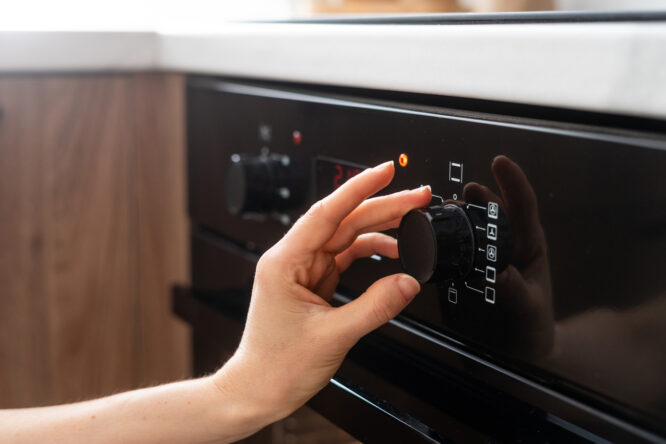
Cooking meals in an electric oven uses a lot of power, particularly if it’s left preheating for too long or cooking smaller portions that don’t need the full space. Frequent use quickly adds up on bills. Cut costs by using smaller appliances like an air fryer, microwave, or slow cooker when possible. Batch cooking also helps make the most of the energy used by filling the oven properly.
3. Fridges and freezers run constantly.

Fridges and freezers are on 24/7, so while they don’t use much energy per hour, the continuous running makes them expensive over time. Older models tend to be even less efficient than newer ones. Keep them efficient by ensuring doors seal properly and defrosting when ice builds up. Avoid overfilling and keep the temperature at recommended settings, as colder than necessary just wastes energy.
4. Dishwashers use both water and heat.
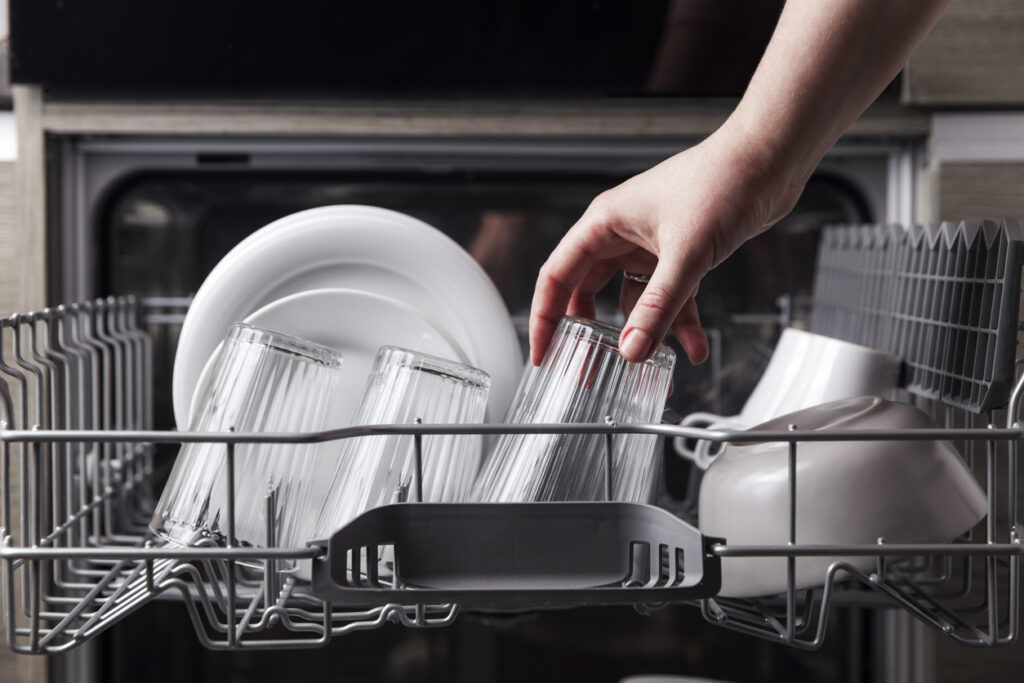
Dishwashers heat water and dry dishes, which drives up running costs. Using them for small loads or pre-rinsing dishes unnecessarily makes them even less efficient. Save money by only running full loads and choosing eco or quick-wash settings. Skip heated drying where possible, and leave the door ajar to air dry instead.
5. Electric showers burn through power fast.

Electric showers heat water instantly, which demands a high wattage. Long showers can cost far more than most people realise, particularly in larger households where multiple people use them daily. Reduce usage by limiting shower time and choosing energy-saving shower heads. If you have a combi boiler, switching to a non-electric shower can also help cut overall electricity costs.
6. Kettles add up with frequent use.
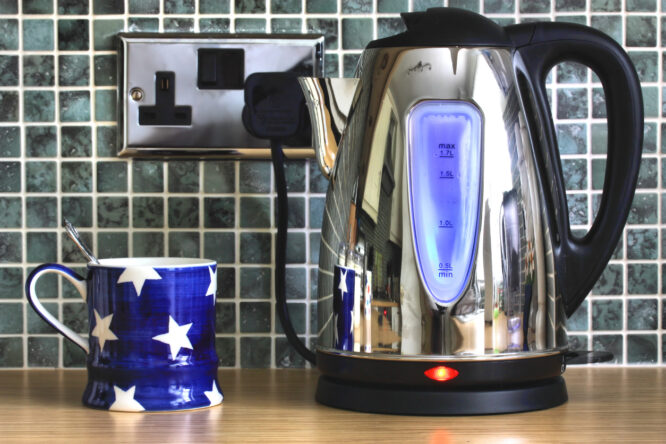
Boiling water may seem minor, but the kettle is one of the most frequently used appliances in UK homes. Repeatedly boiling more water than you need drives up energy use unnecessarily. To save money, only fill the kettle with the amount you actually need. Descaling regularly keeps it running efficiently, and an insulated model retains heat for longer.
7. Televisions and entertainment systems draw steady power.

Large TVs, sound systems, and games consoles use more energy than many expect, particularly when left on standby. Over months, this steady draw adds noticeable cost to your bill. Switch devices off at the plug when not in use and enable energy-saving modes. Consider screen size carefully when upgrading, as bigger models generally use more power.
8. Washing machines can be costly with frequent loads.

Heating water for each wash cycle is the main reason washing machines consume so much energy. Regular small washes are less efficient than fuller loads, which means costs rise unnecessarily. Lowering the temperature setting helps reduce bills significantly. Modern detergents work well at 30 °C, so reserve hotter washes for heavily soiled clothing. Always aim for full but not overloaded drums.
9. Heaters and heated appliances are major culprits.
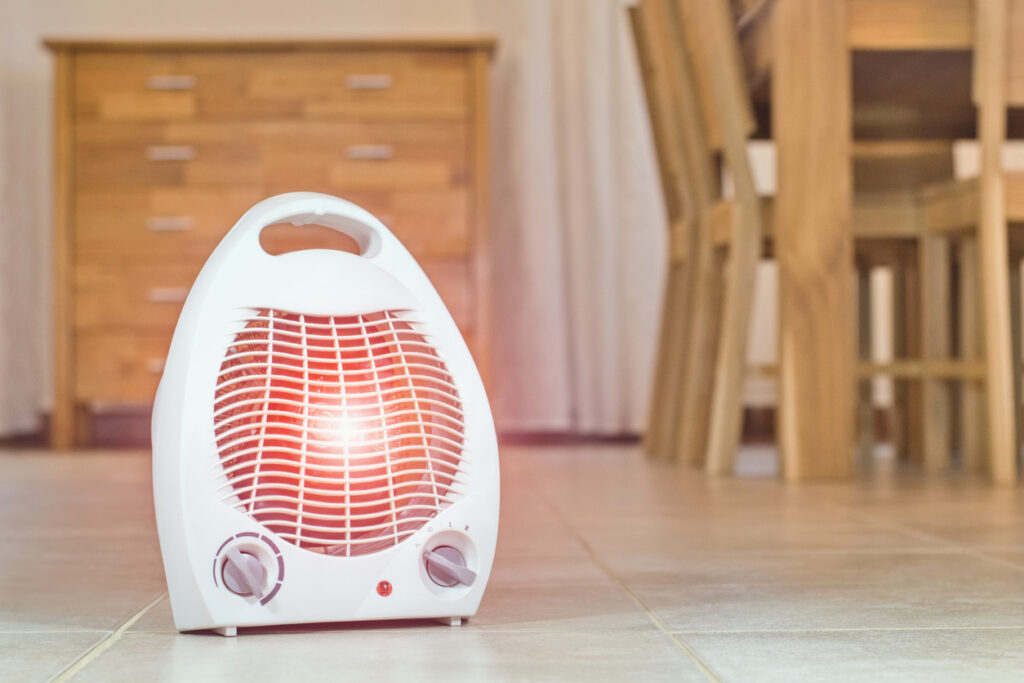
Portable electric heaters, heated blankets, and underfloor heating are all energy-hungry. They run for extended periods, which makes them some of the priciest household items to rely on during colder months. Cut back by using central heating more efficiently instead. Layer clothing, insulate rooms, and use timers rather than leaving electric heaters on for long stretches.
10. Computers and home office equipment add hidden costs.

Working from home often means computers, printers, and monitors running for hours each day. Leaving them on standby between uses means energy continues to be wasted unnoticed. Switch off devices fully when not in use, and adjust settings to go into sleep mode quickly. Energy-efficient laptops often use less power than desktop setups, making them a cheaper choice.