Staying flexible as the years pass makes daily life a whole lot easier and far more enjoyable. It helps you stay active, prevents stiffness, and supports independence in ways you might not appreciate until you feel them slipping. With that in mind, here are 13 straightforward ways to keep your body supple as you age.
1. Stretch a little every day.
Flexibility is best built through consistency, not occasional effort. Short daily stretching sessions help your muscles stay pliable, and your joints feel freer, which means less stiffness in the morning and more ease of movement throughout the day. Even 5 to 10 minutes makes a noticeable difference. By weaving stretches into your routine after brushing your teeth or before bed, you keep progress steady without overwhelming yourself with long sessions.
2. Warm up before moving.
Stretching cold muscles can do more harm than good. A few minutes of warming up through gentle walking, marching on the spot, or rolling your shoulders prepares your body and reduces the risk of straining tight muscles. A bit of preparation also helps stretches feel smoother. When blood flow increases, muscles respond better, so you enjoy the process more and are less likely to avoid it because it feels uncomfortable.
3. Try yoga or Pilates.

Both yoga and Pilates combine strength, balance, and stretching, which makes them excellent for maintaining mobility as you age. Unlike more intense workouts, they encourage slow, deliberate movements that suit all levels and can be adapted to your ability. Joining a local class or following an online routine adds variety and structure. These practices don’t just improve flexibility. They also build core strength and posture, which supports your body in everyday life.
4. Keep moving throughout the day.
It’s easy to stiffen up when sitting for long periods. Even if you exercise regularly, long stretches of inactivity reduce flexibility and make your body feel heavy and unresponsive by evening. Standing up every half hour, stretching lightly, or walking around the house keeps joints lubricated. These mini-breaks stop stiffness building up and make it easier to maintain mobility over time.
5. Use dynamic stretches.
Static stretches, where you hold a position, are useful, but dynamic stretches, where you move gently in and out of positions, prepare muscles more effectively for daily tasks. Leg swings, arm circles, or torso twists are good examples. These movements mimic real-life activity, which makes them especially practical. By combining dynamic and static stretching, you strengthen coordination while giving your body a more rounded flexibility routine.
6. Focus on posture.
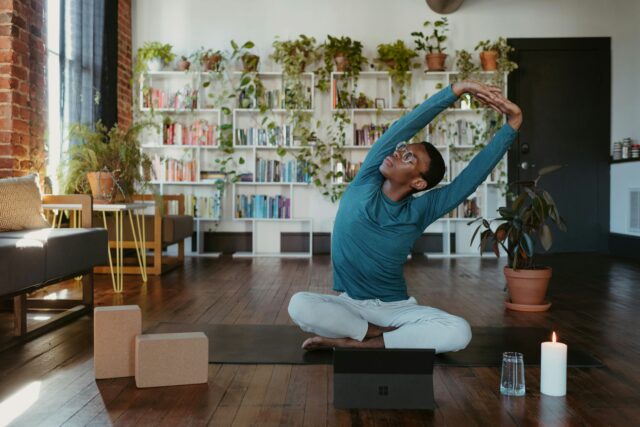
Slouching and poor posture restrict your muscles over time, creating tightness and reducing your natural range of motion. Standing tall, with shoulders relaxed and back straight, keeps your body aligned and reduces long-term stiffness. Checking in with your posture during the day helps reinforce this. Good posture makes stretches more effective because your muscles are working in balance rather than overcompensating for misalignment.
7. Stay hydrated.
Water is often overlooked when talking about flexibility, yet hydration plays a big role in how supple your muscles and joints feel. Dehydration makes tissues less elastic, which contributes to stiffness and discomfort. Drinking enough water throughout the day keeps your body functioning smoothly. Hydration supports every stretch and activity you do, helping your muscles respond better and recover faster.
8. Mix in a bit of strength training.
Flexibility doesn’t work in isolation. Muscles need to be strong enough to support extended movement, and strength training provides that stability. Light weights, resistance bands, or bodyweight exercises are all effective. Building strength alongside stretching creates balance. It reduces the risk of injury, keeps your joints supported, and makes it easier to hold positions without straining, which all feeds back into flexibility.
9. Don’t forget your hips.

Hips are central to mobility, yet they’re often the first area to tighten as you age. Stiff hips make walking, bending, and even sitting less comfortable, which highlights the need to keep them flexible. Simple hip-openers like lunges or seated stretches protect your overall mobility. Flexible hips also ease strain on your back and knees, which prevents knock-on stiffness in other parts of your body.
10. Stretch after activity.
Your muscles are at their warmest after exercise or a busy day, which makes this the perfect time to stretch. Lengthening muscles while they’re already loosened helps improve range of motion and prevents tightness from setting in. Stretching at the end of activity also aids recovery. It reduces soreness and ensures you start the next day feeling less stiff, which makes staying consistent much easier.
11. Be patient with progress.
Flexibility isn’t built overnight. It takes regular practice and small increments of progress, especially as you get older. Expecting dramatic change too quickly often leads to disappointment and discouragement. Patience pays off. When you focus on the small improvements like touching your toes more easily, turning your head with less stiffness, you see that steady progress is both real and lasting.
12. Use support when you need it.

Props like yoga straps, blocks, or even a sturdy chair help you stretch without forcing your body. They allow you to ease into positions gradually instead of straining, which keeps you safe while still building mobility. Supportive tools make flexibility more accessible. They ensure you’re stretching to your capacity rather than beyond it, which encourages consistency and reduces the risk of injury.
13. Make it enjoyable.
The best routines are the ones you stick to. Adding music, joining a group, or stretching during TV time makes the process more fun, which keeps motivation high over the long term. When stretching feels enjoyable rather than a chore, it becomes a natural part of your lifestyle. That enjoyment is what ensures you carry flexibility into the years ahead.