While the world races towards an increasingly digital future, something fascinating is happening across the UK (and much of the western world, really).

People are deliberately slowing down and rediscovering the simple pleasures their grandparents took for granted, from spinning vinyl records to growing their own vegetables. These activities harken back to a bygone era (just like my language there!), and they’re making people feel less crazed and a bit more connected to themselves and the world around them. It’s about time these things made a comeback, don’t you think?
1. Collecting and playing vinyl records

Vinyl sales in the UK hit a three-decade high in 2024, with 6.7 million albums sold, a 9.1% increase from the previous year. For the first time since 1992, vinyl records have even been included in the Office for National Statistics’ basket of goods used to track inflation.
Gen Z and millennials are driving this revival, and it’s not just about nostalgia. They’re craving the tactile experience of physically owning music, reading liner notes, and the ritual of dropping the needle on a record. The warm, authentic sound quality and the anticipation of waiting for your favourite track simply can’t be replicated by streaming.
2. Shooting photos on film cameras

Film photography is experiencing its biggest resurgence in decades, with 2024 being described as film’s best year in recent memory. Pentax released their first new film camera in over 20 years, the Pentax 17, while multiple manufacturers launched new film stocks and cameras.
Young photographers are embracing the deliberate, thoughtful process of shooting film, where each frame costs money, and you can’t see results instantly. It’s the perfect antidote to our instant-gratification culture, forcing you to slow down, compose carefully, and wait for the magic of developing your photos.
3. Cooking and baking everything from scratch

Despite the convenience of ready-made options, there’s been a notable move towards scratch cooking and home baking. More people are choosing to cook from scratch as they become increasingly aware of ultra-processed foods and their health implications.
Home cooks are rediscovering the satisfaction of kneading bread dough, making their own pasta, and creating meals from basic ingredients. It’s partly about saving money during tough economic times, but it’s also about knowing exactly what goes into your food and reconnecting with traditional cooking skills.
4. Growing vegetables and herbs at home
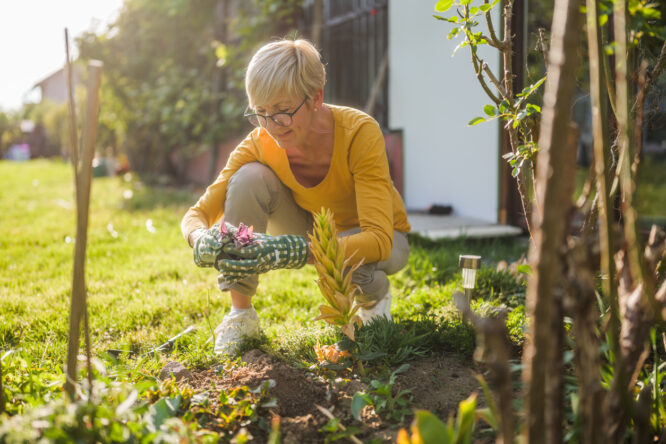
The UK’s 30 million gardeners are increasingly focusing on growing their own food, with perennial vegetables gaining popularity for their reliable annual harvest and low maintenance requirements.
Whether it’s a few herb pots on a windowsill or a full vegetable patch, people are finding joy in growing their own food. It’s environmentally conscious, saves money, and there’s something deeply satisfying about eating tomatoes you’ve grown yourself. Even small-space gardening is booming, with city dwellers getting creative with balconies and tiny back gardens.
5. Reading physical books instead of digital

Physical books are making a comeback alongside other analogue formats. There’s something about the solidity and lack of distraction built into physical books that feels like the antidote we need to our hyper-digital world.
Bookshops are thriving again, and people are rediscovering the pleasure of turning real pages, the smell of paper, and the satisfaction of seeing your progress through a book physically. Unlike screens, books don’t buzz with notifications or tempt you to multitask, they demand your full attention and offer genuine mental rest.
6. Writing letters and cards by hand

In our WhatsApp world, handwritten correspondence feels revolutionary. People are rediscovering the lost art of putting pen to paper, whether it’s writing thank-you notes, birthday cards, or proper letters to friends and family.
There’s something deeply personal about handwriting that digital communication can’t match. The recipient knows you’ve taken time and effort to sit down with paper and pen, making your words feel more meaningful and heartfelt than any typed message ever could.
7. Learning traditional crafts like knitting and sewing

Traditional crafts are having a major moment, with young people learning skills their great-grandmothers would have considered essential. Knitting, crochet, embroidery, and sewing are all experiencing revivals, often shared through social media tutorials and local community groups.
These crafts offer the perfect blend of meditative repetition and creative achievement. Plus, there’s real satisfaction in making something useful with your hands, whether it’s a cosy jumper or mending clothes instead of throwing them away—a skill that feels increasingly valuable in our throwaway culture.
8. Using cash instead of cards for daily purchases

There’s a growing movement back towards using physical cash for certain purchases. Using cash envelopes for groceries, petrol, and entertainment makes budgeting crystal clear and much harder to overspend.
Digital transactions are so frictionless we barely feel them, but handling actual money makes spending real and tangible. Many people are returning to cash budgeting systems to regain control over their finances and become more mindful about what they’re actually spending.
9. Preserving and pickling seasonal produce
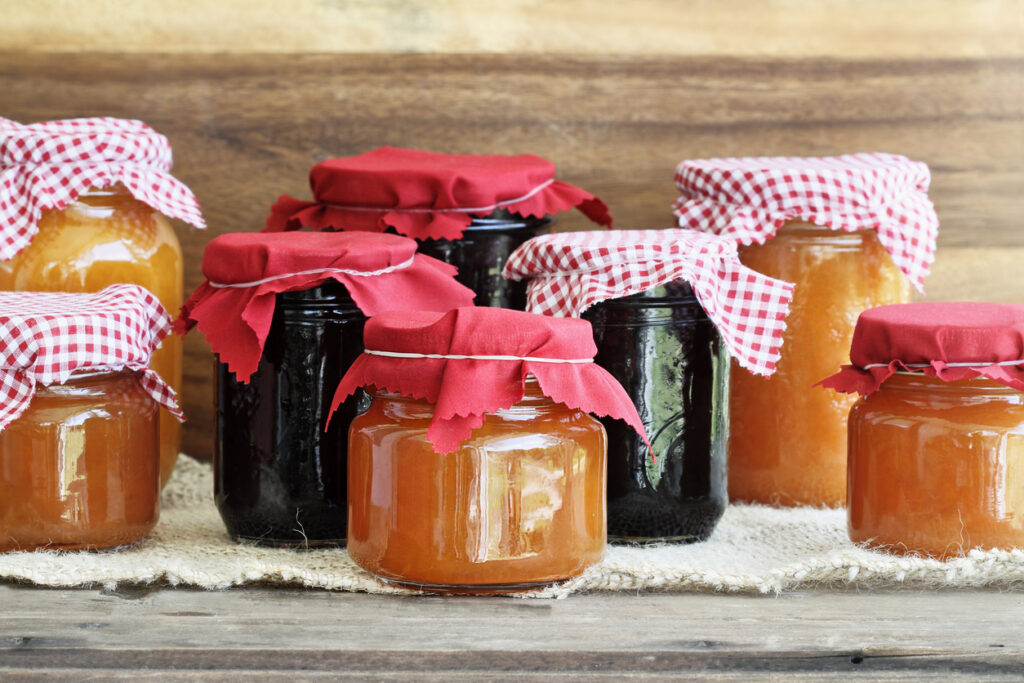
The art of preserving food is making a comeback as people become more interested in reducing waste and eating seasonally. Jam-making, pickling vegetables, and preserving seasonal gluts are becoming popular weekend activities again.
It’s partly about self-sufficiency and reducing food miles, but there’s also something deeply satisfying about having a pantry full of homemade preserves. You’re connecting with traditional food preservation methods while creating delicious, personalised gifts for friends and family.
10. Playing board games and card games

Before Netflix and constant entertainment, families entertained themselves in ways that didn’t cost anything like playing games, having proper conversations, and gathering with friends and neighbours. These simple pleasures didn’t just save money, they strengthened relationships.
Board game cafés are popping up everywhere, and families are rediscovering the joy of sitting around a table together without screens. It’s social interaction that actually requires your full attention and presence, something increasingly rare in our distracted world.
11. Mending and repairing instead of replacing
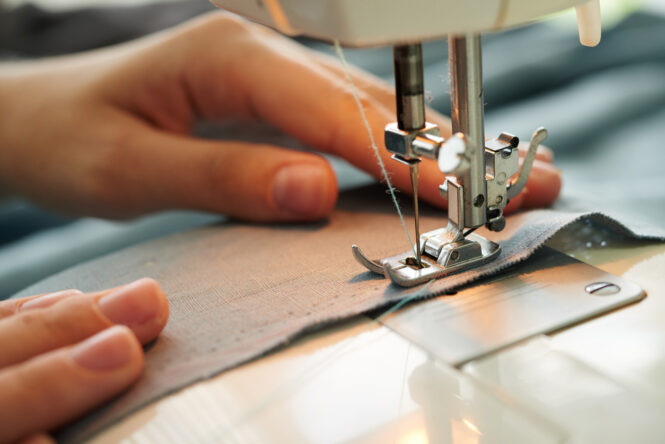
The old mentality of “waste not, want not” is returning. Previous generations saved and repurposed everything like bacon grease for cooking, fabric scraps for quilts, and old jars for storage. This resourcefulness wasn’t just about saving money, it was about respecting what you had.
Repair cafés, visible mending, and “make do and mend” attitudes are growing popular. People are learning to fix things again instead of automatically buying replacements, whether it’s darning socks, repairing electronics, or upcycling furniture. It’s environmentally conscious and surprisingly satisfying.
12. Taking long walks without destinations

The simple act of walking for pleasure, without fitness trackers or specific goals, is becoming popular again. People are rediscovering the meditative quality of wandering through their neighbourhoods, local parks, or countryside without any agenda.
It’s about disconnecting from the constant need to be productive or achieve something. Just walking, observing your surroundings, and letting your mind wander feels luxurious in our goal-oriented culture, and it’s completely free.
13. Listening to long-form podcasts and radio programmes

Even while our attention spans seem to be shrinking due to short-form videos and social media, there’s one big trend pointing in the opposite direction: long-form podcasts. People are choosing to engage with content that requires sustained attention.
In an age of TikTok and Instagram reels, deliberately choosing to listen to hour-long conversations or radio programmes feels almost rebellious. It’s about training your brain to focus for extended periods and engaging with complex ideas that can’t be compressed into bite-sized content.
14. Having proper Sunday dinners with family

The traditional British Sunday roast is making a comeback as families prioritise sitting down together for proper meals. It’s about creating weekly rituals that bring everyone together without the distraction of phones or television.
These gatherings aren’t just about food—they’re about conversation, connection, and creating family traditions that children will remember. In our busy world, having one day a week dedicated to slow cooking and leisurely family meals feels both nostalgic and necessary.
15. Shopping at local markets and independent shops
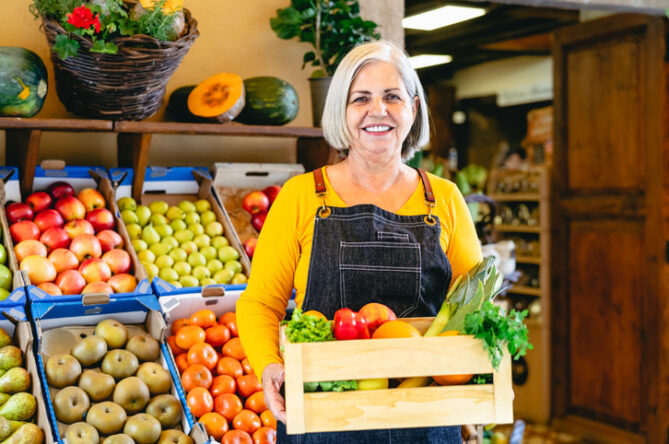
There’s a growing focus on local and seasonal British produce, with consumers becoming increasingly conscious of food miles and supporting local businesses. More cafés and restaurants are championing locally-grown ingredients.
People are deliberately choosing to shop at farmers’ markets, independent bookshops, and local butchers instead of defaulting to supermarket chains and online shopping. It’s about supporting community businesses, reducing environmental impact, and rediscovering the pleasure of shopping as a social activity rather than just a transaction.