Reports of adults biting colleagues may sound surreal, yet they highlight deeper cracks in modern workplace culture.
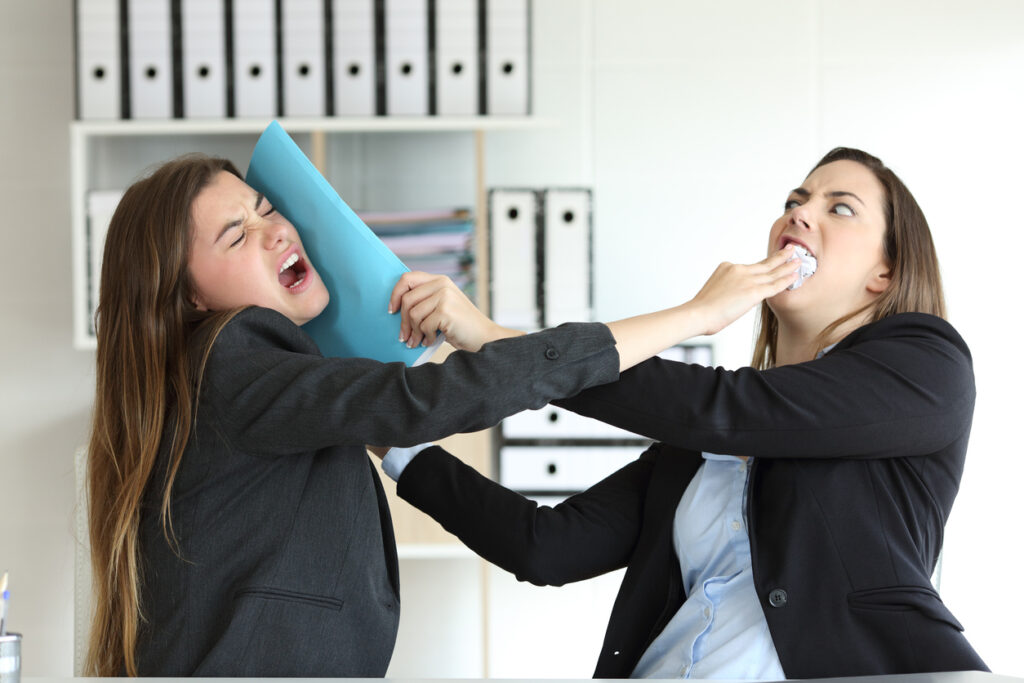
From pandemic isolation to relentless pressure, strange behaviours like this reveal how people are struggling to navigate human interaction in professional settings. These incidents may seem ridiculous on the surface, but they’re very real, and they point to bigger questions about stress, social skills, and what offices are becoming. Here are 10 reasons why this trend is happening and what it really says about work today.
1. Social skills took a hit during lockdowns.

Years of remote work disrupted the natural flow of social learning. Offices, schools, and even casual socialising were replaced with screens, which meant people missed out on daily practice with small talk, body language, and subtle cues. For younger workers especially, this gap created uncertainty about how to interact in professional settings.
Companies can help by offering mentoring and encouraging team connection without shaming people for awkwardness. A structured but friendly approach like shadowing, group projects, or social skill refreshers helps rebuild confidence and creates an environment where boundaries are respected naturally.
2. “Quirky” behaviour can hide poor impulse control.

Some people frame odd or disruptive actions as being “fun” or “different.” The problem is that when self-awareness is missing, behaviour like play-biting crosses the line into uncomfortable territory. What might be intended as humour ends up breaking trust and making colleagues uneasy.
This is where clear guidelines matter. Setting out what’s considered acceptable during onboarding helps protect everyone without killing individuality. When employees understand that quirks should never come at the expense of respect, there’s less chance for incidents to spiral.
3. Mental health struggles sometimes spill into behaviour.

Stress, anxiety, or impulse-control difficulties don’t always show up in obvious ways. For some people, those pressures surface physically, leading to actions they later regret. Something as extreme as biting may be a sign of someone at breaking point, rather than a calculated choice.
That’s why it’s important workplaces don’t just punish, but also support. Offering access to counselling, check-ins, or mental health days provides a safety net. A firm but compassionate response shows that accountability and wellbeing can exist together.
4. High-pressure industries neglect soft skills.

In fields like law, finance, and tech, speed and performance often come before empathy or emotional awareness. Long hours and competitive targets leave little room to nurture social skills. Without role models who demonstrate balance, new hires can develop blind spots in how they manage interactions.
Encouraging leaders to model kindness and respect is crucial. Culture flows from the top, so when managers set an example of empathy alongside efficiency, teams quickly learn that professionalism and humanity are not opposites they’re both essential.
5. Viral attention makes incidents more visible.

Bizarre stories spread fast online because they grab attention instantly. When something as unusual as a workplace biting incident happens, it doesn’t just stay within the office. It becomes internet fodder, fuelling memes and articles that amplify how shocking it seems.
This creates pressure for companies to act decisively. Firms need to show they take incidents seriously without turning the individuals involved into entertainment. Balancing transparency with privacy shows that workplaces can handle odd situations with maturity rather than embarrassment.
6. The line between playful and professional has blurred.

Workplaces have worked hard to become less stiff and more casual, which is often positive. But sometimes the push for a “fun” culture can go too far. Without clarity, some people think anything that lightens the mood is acceptable, even if it breaks boundaries.
Organisations can strike balance by encouraging friendliness but clarifying that basic respect always comes first. Reminders about personal space don’t have to be heavy-handed; they just need to set the tone that professionalism and warmth can co-exist without confusion.
7. Younger workers missed in-person role models.

Those entering the workforce during the pandemic missed out on in-person mentoring, small corrections, and the chance to watch how experienced staff navigate tricky moments. Without these role models, social missteps are more likely because no one has shown them what professional behaviour looks like up close.
This highlights the importance of pairing younger employees with mentors or peer groups. Learning in real time, through observation, gentle feedback, and guided practice helps rebuild social instincts that online environments alone can’t teach.
8. Stress and burnout trigger unusual reactions.

When people feel overwhelmed, their filter weakens. Emotional regulation suffers under pressure, which can explain why someone might act out in sudden and bizarre ways. In high-stress workplaces, the weight of deadlines and long hours can push behaviour into extremes.
Employers can counter this by addressing workload and ensuring staff have access to breaks. Small changes like realistic targets or wellness support go a long way in preventing burnout from manifesting in unpredictable behaviour.
9. Tolerance of “odd” habits lets them snowball.

Sometimes behaviour that feels strange is brushed off as eccentricity at first. If no one steps in early, those habits can escalate. What starts as light teasing or overly physical gestures can turn into more disruptive actions, especially if no one sets boundaries.
Quick but compassionate intervention is key. Managers should be trained to step in early with constructive feedback. Addressing habits when they’re small prevents them from developing into incidents that shock the whole workplace.
10. We’re still relearning how to work together.

Ultimately, these odd incidents reflect a bigger truth: we’re still adjusting to being together again. After years of distance and disruption, boundaries, empathy, and even humour are being renegotiated in real time. Some people adapt quickly, others struggle more noticeably.
That’s why intentional culture-building matters now more than ever. Clear communication, kindness, and realistic expectations make offices feel safer. Strange stories may keep popping up, but they also remind us that workplaces are still human spaces and humans need guidance, patience, and connection to thrive.