Ageing can creep up in surprising ways.

It’s not always birthdays or milestone numbers that unsettle us, but small, everyday moments that suddenly make time feel real. Here are 13 little experiences that tend to bring on real anxiety about getting older, no matter how grateful you are for every passing year.
1. Struggling with fine print
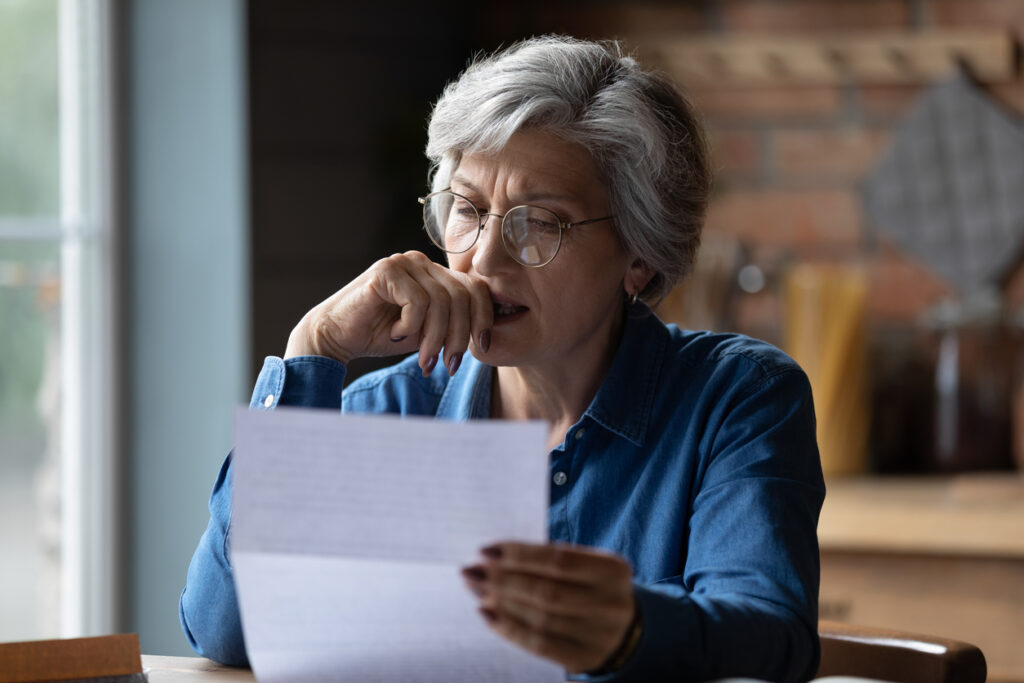
The first time you find yourself squinting at a menu or stretching your arm to read a label, it can feel like a sharp reminder that your eyes aren’t what they used to be. That tiny struggle often lands harder than a birthday candle count.
Booking an eye test can help, but the bigger change is accepting that adjustments are normal. Glasses aren’t defeat; they’re tools that help you keep engaging with life, rather than proof of decline.
2. Hearing new slang you don’t recognise

When younger colleagues or relatives drop words or phrases you’ve never heard, it can feel like a gap has opened. Language changes fast, and not being in on it can highlight the age difference more than you expect.
Instead of feeling left behind, ask and join in. Curiosity bridges the gap and shows you’re open. It reframes the moment as learning, not exclusion, which makes it far less unsettling.
3. Not bouncing back after a late night

Hangovers or sleep loss that used to fade after a few hours suddenly take days to recover from. That sluggishness can be incredibly stressful and upsetting because it shows your body isn’t as quick to reset.
Pacing yourself and prioritising rest helps. It doesn’t mean the fun has to end, but planning recovery time becomes part of how you enjoy yourself without the panic of feeling your limits too harshly.
4. Noticing grey hairs or thinning patches
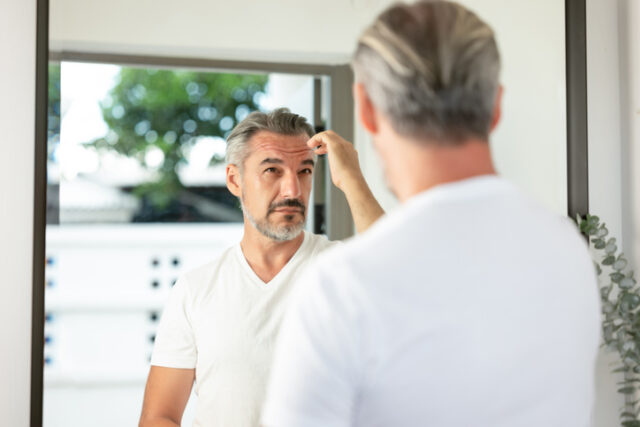
Spotting a few strands of grey or noticing your hairline isn’t quite where it used to be hits harder than you expect. It’s a visible marker that time is moving, whether you’re ready or not.
Owning the change makes a difference. Some people dye, some embrace the silver, but the key is choosing your response rather than letting it feel like loss of control.
5. Being called “sir” or “madam” for the first time

That moment of polite respect can suddenly feel like a reminder that you’re no longer the youngest in the room. Hearing it for the first time can be oddly jarring and create a sense of unexpected unease.
Reframing helps here. It’s not about being old — it’s about being seen as an adult with presence. It’s recognition, not dismissal, and leaning into that makes it easier to accept.
6. Realising your music is now “oldies”

When a song you grew up with turns up on a nostalgia playlist or is called “classic” by someone younger, it can sting. The tracks that shaped your youth suddenly belong to a past era rather than the present.
Instead of letting it trigger panic, let it inspire pride. Those songs still hold power, and sharing them can be a way of connecting across generations rather than feeling left out of the current soundscape.
7. Feeling aches in places you never noticed

A stiff back when you wake up or knees that groan after stairs can feel like small betrayals. These aches remind you that wear and tear is creeping in, and that can feel confronting.
Gentle stretching, staying active, and looking after your posture help. Accepting small adjustments as maintenance, rather than decline, keeps anxiety in check and lets you feel more in control.
8. Seeing younger people in your old spaces

Going back to a bar, a festival, or even a sports club where the crowd now looks years younger can hit unexpectedly. You suddenly notice that you’ve moved into a different bracket.
Rather than retreat, change perspective. Enjoyment isn’t capped by age, and bringing your own confidence and presence to these spaces means you’re still part of the mix, just in a different way.
9. Struggling with new tech

Realising younger people pick up new apps or devices instantly, while you take longer to adjust can be anxiety-inducing. Technology moves fast, and it makes age differences visible in real time.
Leaning into learning rather than resisting helps. Asking questions or even letting younger people show you creates connection, and it reframes tech as a shared activity rather than proof of falling behind.
10. Noticing your recovery from exercise takes longer

Where a hard workout once left you sore for a day, now stiffness can last for several. That change highlights that your body is ageing, and it can feel like your limits are suddenly closer.
Adapting doesn’t mean giving up. It means mixing rest days, stretching, and recovery routines into your plan so you still build strength and stamina — just in a smarter way.
11. Seeing friends move into different life stages

Watching peers have children, buy houses, or start talking retirement plans can throw you off balance. It’s less about wanting the same and more about realising time is moving whether you match the milestones or not.
Remembering that everyone’s timeline is unique helps. Life stages don’t need to sync for friendships to stay meaningful, and staying grounded in your own path eases the anxiety those comparisons stir up.
12. Being less visible in public spaces
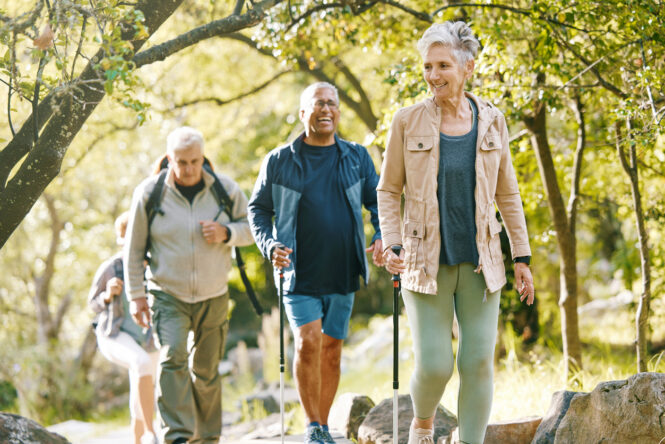
As you age, you may feel people’s attention get pulled away. In shops, at work, or socially, you might sense that you don’t stand out in the same way, which can trigger anxiety about relevance.
Choosing where and how you want to be seen gives back agency. Investing energy in spaces where you feel valued reminds you that visibility is about context, not age alone.
13. Realising time feels faster each year

The creeping sensation that years pass quicker can be one of the most unsettling parts of ageing. Birthdays arrive before you’ve caught up, and suddenly a decade feels compressed into a handful of memories.
Rather than panic, use this as motivation. Making deliberate choices about how you spend time helps you feel present rather than swept along, which makes the pace of life less frightening.