Skin problems mess with your head in ways that other health issues don’t because your face is the first thing people see and judge you on.
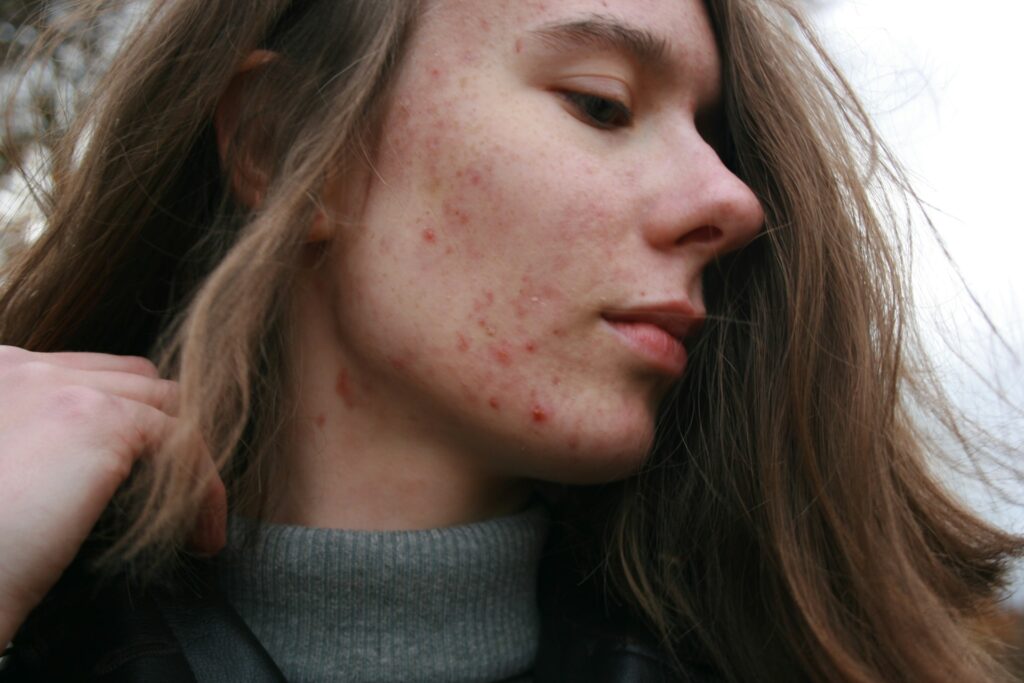
Unlike internal health problems that people can’t see, skin issues are on display for everyone to notice, comment on, and make assumptions about your hygiene or lifestyle. Sure, having acne or eczema isn’t the end of the world, and it’s not life-threatening, but here’s why it’s so devastating anyway.
1. Everyone becomes an expert on what caused your skin problems.

The moment people notice your acne, eczema, or rashes, they turn into dermatologists with theories about what you’re doing wrong. They’ll confidently blame your diet, stress levels, skincare routine, or general cleanliness based on absolutely nothing.
These unsolicited diagnoses are incredibly frustrating because people assume visible problems must have obvious causes. You get tired of explaining that you’ve tried everything, while random acquaintances suggest you just need to drink more water or stop eating chocolate.
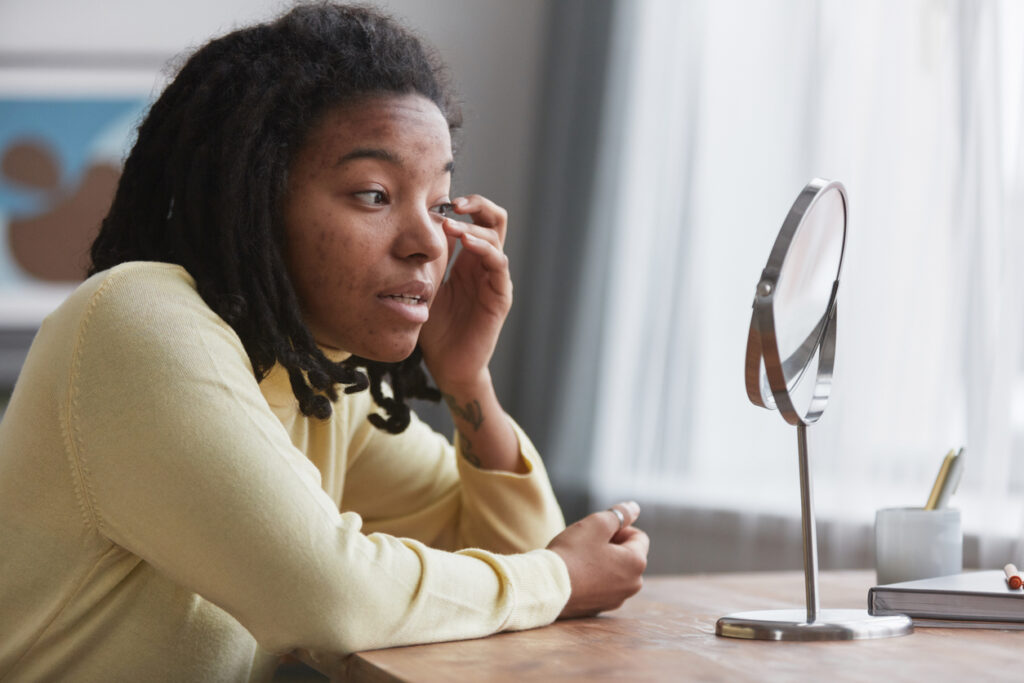
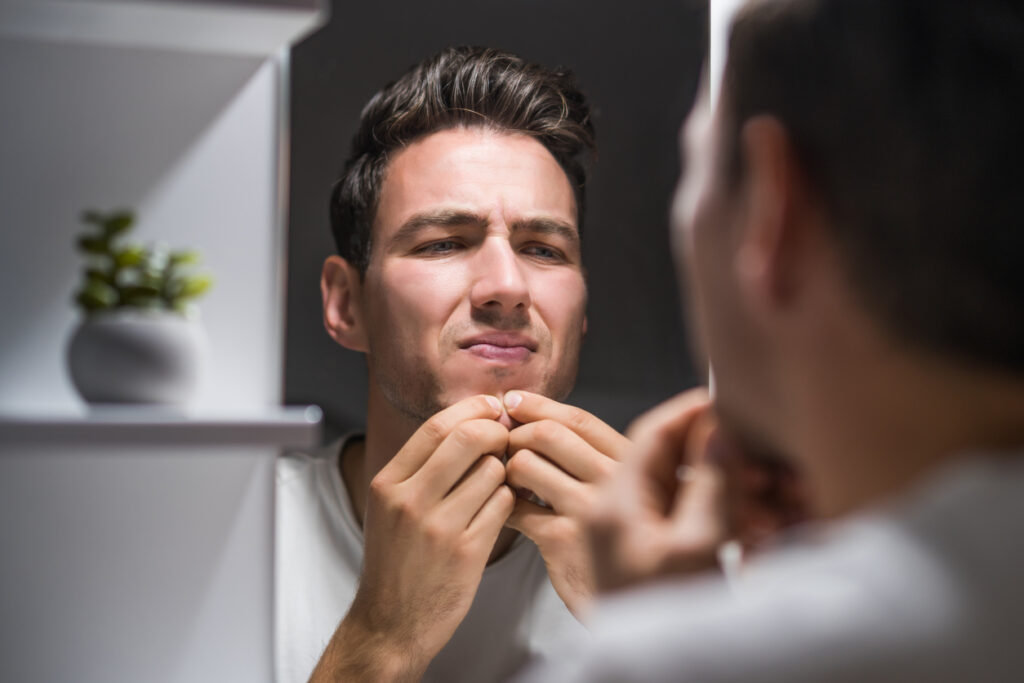
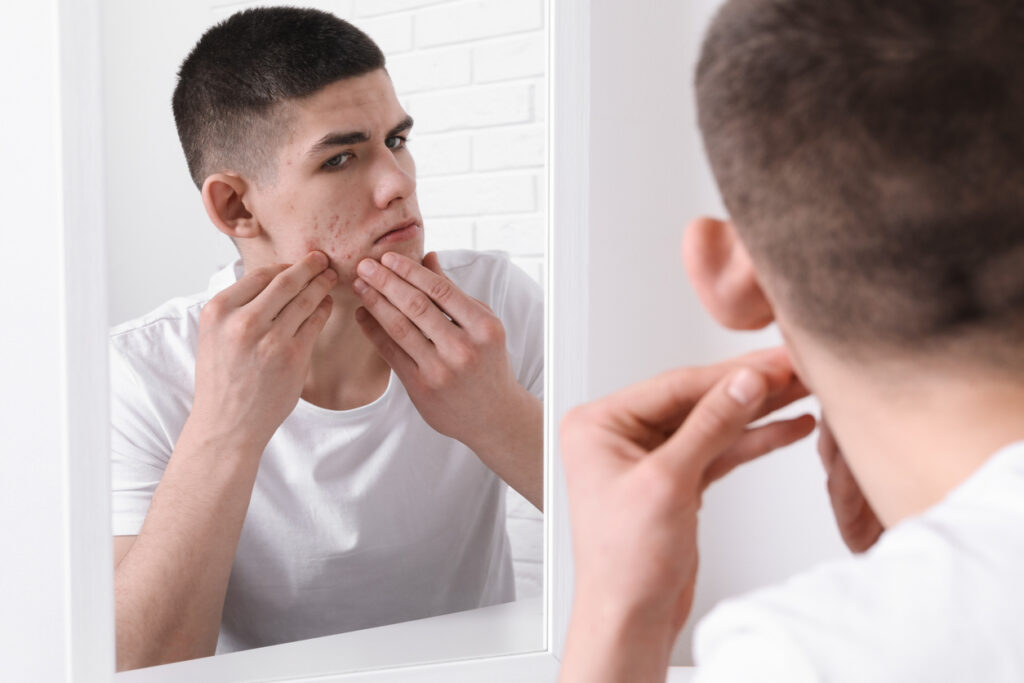
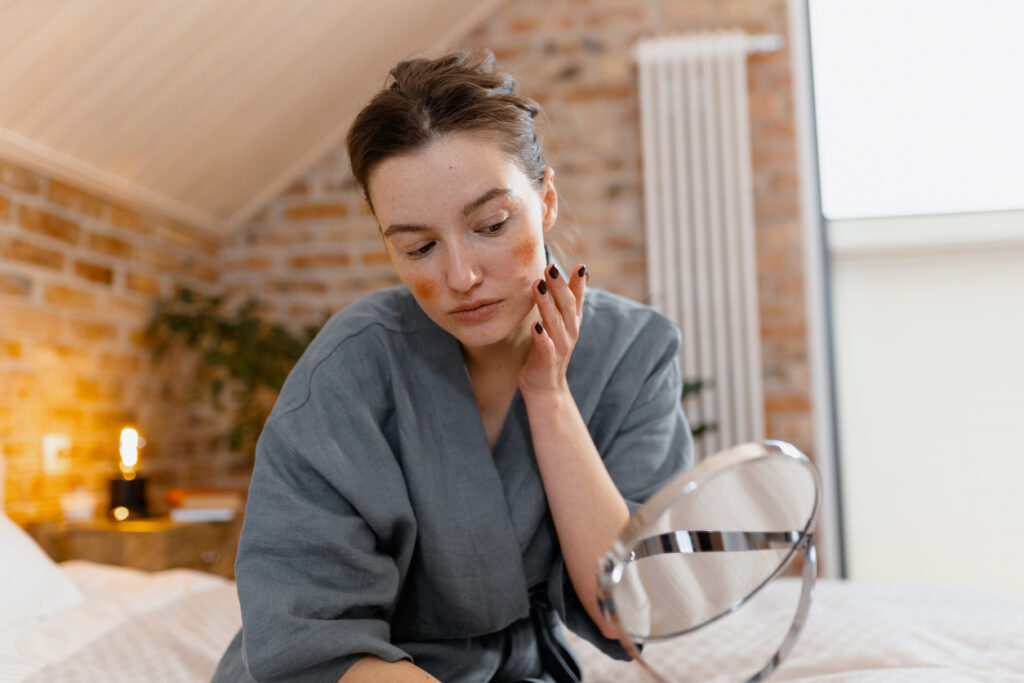
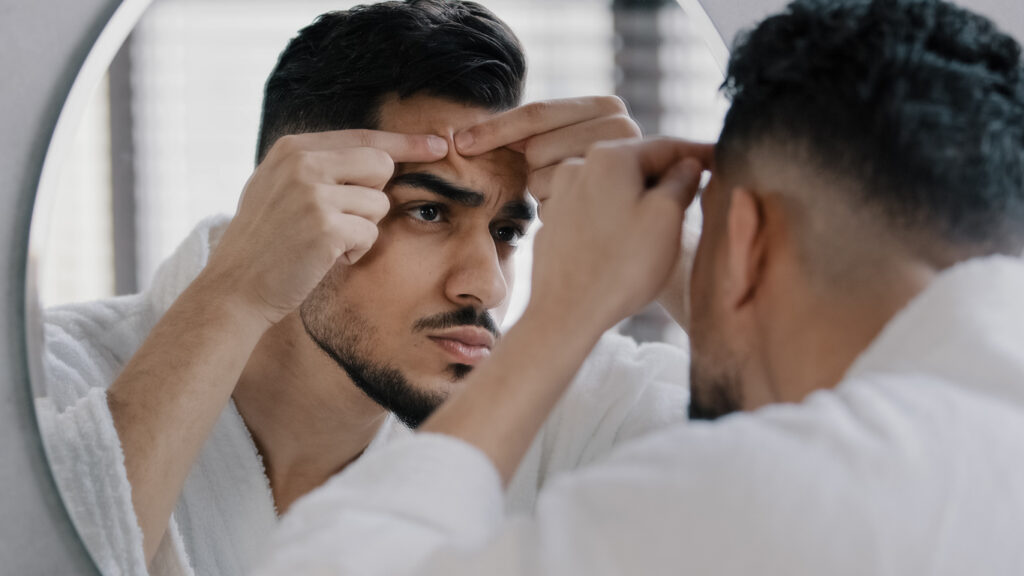
2. Your mirror becomes your worst enemy.
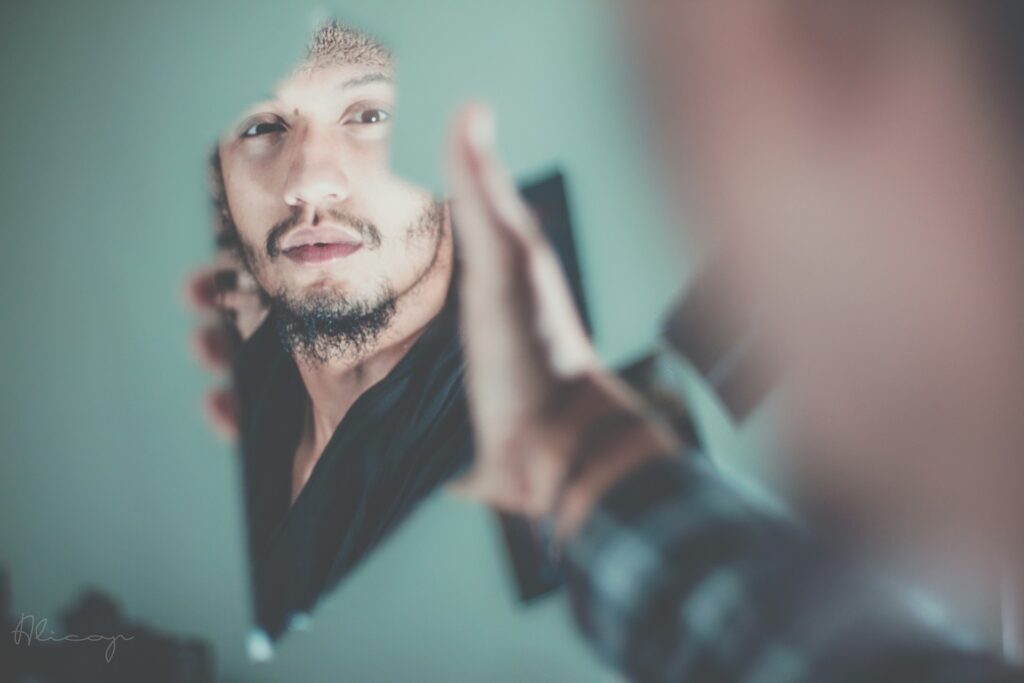
Every bathroom visit turns into an inspection session where you scrutinise every pore, bump, and discoloured patch. You start avoiding mirrors or become obsessed with them, neither of which is healthy for your mental state.
The constant visual reminder of your skin problems makes it impossible to forget about them the way you might with other health issues. Internal problems can fade into background awareness, but skin issues stare back at you every morning.
3. Photos and video calls become anxiety-inducing experiences.
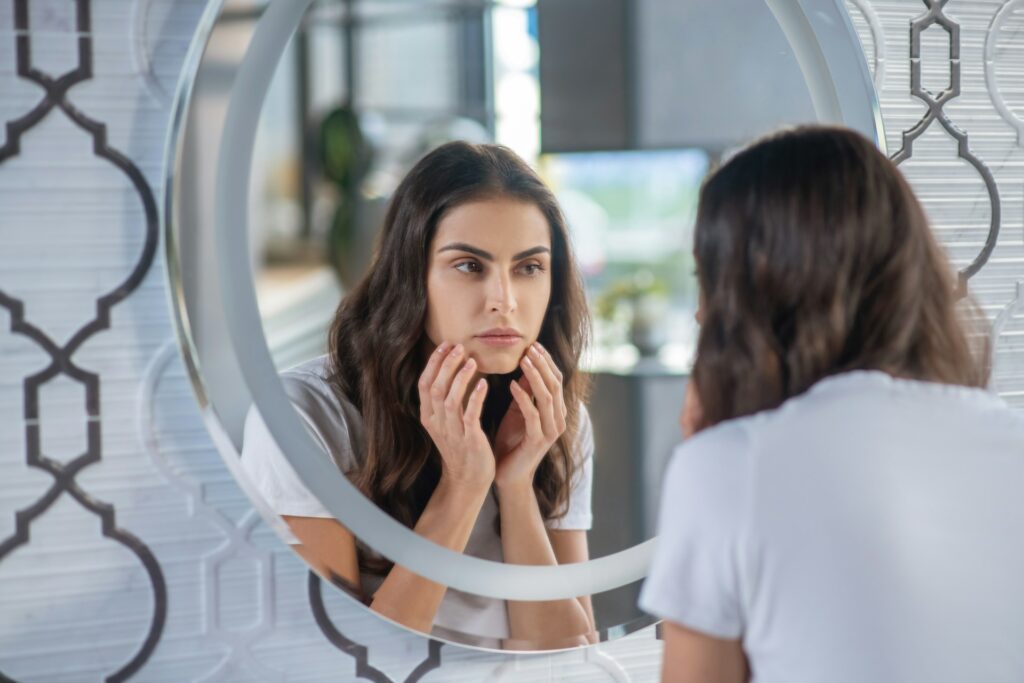
You start positioning yourself strategically in group photos, avoiding close-ups, and feeling self-conscious on video calls because you know your skin problems will be visible and potentially permanent in images.
Social media becomes a minefield when everyone else seems to have perfect, filtered skin, and you’re dealing with real human skin that has texture, colour variations, and imperfections. The comparison game becomes unavoidable and brutal.
4. People assume you’re not taking care of yourself properly.

Visible skin problems trigger judgements about your personal hygiene, lifestyle choices, and general self-care habits. People silently wonder if you wash your face enough, eat too much junk food, or live in unsanitary conditions.
These assumptions are particularly unfair because many skin conditions are genetic, hormonal, or autoimmune rather than lifestyle-related. You might have an incredibly thorough skincare routine and still deal with breakouts that make people question your cleanliness.
5. The treatments often make you look worse before you look better.
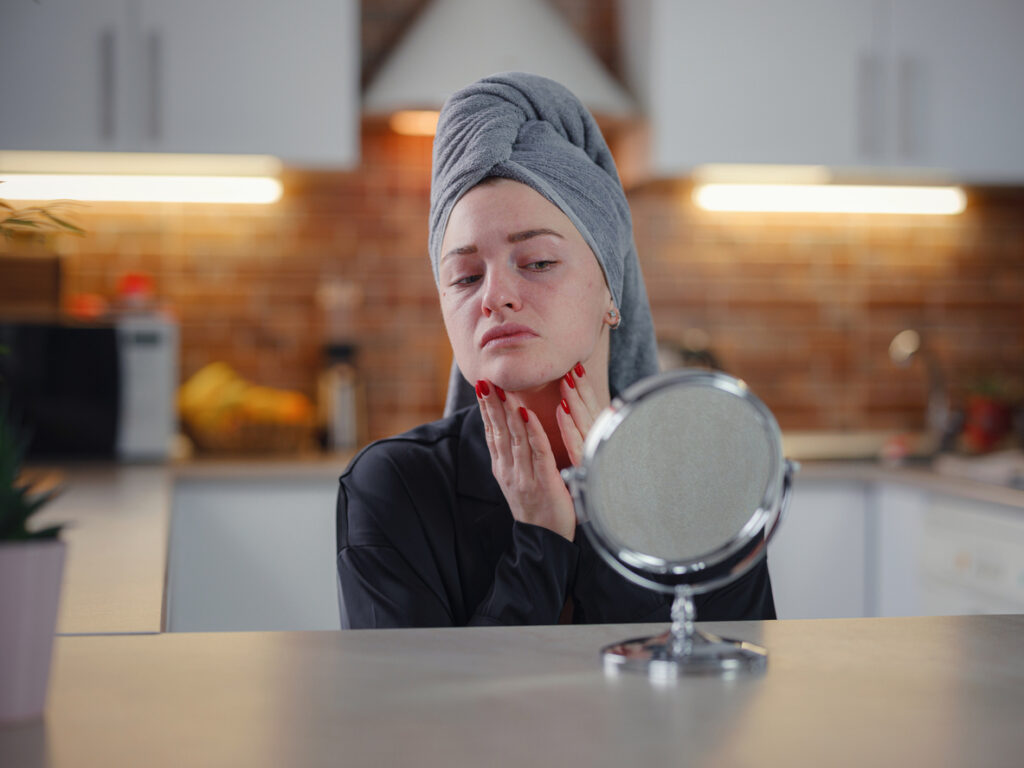
Acne medications can cause peeling and redness, steroid creams for eczema can thin your skin, and other treatments create their own set of visible side effects. You’re stuck choosing between the original problem and treatment-related issues.
This treatment paradox means you might avoid social events or important occasions because your skin is going through the ugly phase of getting better. Other health treatments don’t usually make you look worse temporarily.
6. Makeup and clothing choices become strategic operations.
Getting dressed involves considering which colours will make your skin look better or worse, whether makeup will irritate your condition, and if certain fabrics will trigger flare-ups. Simple daily choices become complicated medical decisions.
You might avoid swimming, exercising, or other activities because they’ll mess up your carefully applied concealer or trigger skin reactions. Your condition starts controlling your lifestyle choices in ways that internal health problems typically don’t.
7. Dating and intimacy become more complicated.
Skin problems can make you self-conscious about physical intimacy, first impressions, and whether potential partners will find you attractive. You might avoid dating altogether or spend enormous amounts of mental energy worrying about how you look.
The fear of someone seeing you without makeup or in harsh lighting can create barriers to forming close relationships. Internal health problems don’t usually interfere with physical attraction and intimacy in the same immediate way.
8. Professional situations become more stressful.
Job interviews, presentations, and client meetings take on extra anxiety when you’re worried about people focusing on your skin instead of your qualifications. You might wonder if appearance-related bias is affecting your career opportunities.
The reality is that people do make snap judgements based on appearance, and skin problems can unfairly influence how professional or put-together you seem. This adds career stress on top of the medical and emotional burden.
9. The financial burden extends beyond medical costs.

Beyond dermatologist visits and prescription medications, you spend money on special makeup, skincare products, dietary supplements, and clothing that won’t irritate your skin. The costs add up quickly and aren’t usually covered by insurance.
You might also spend money on activities designed to hide your skin problems or avoid situations where they’ll be visible, like choosing expensive private gym sessions over group fitness classes.
10. Sleep becomes disrupted by physical discomfort and anxiety.
Itchy, painful, or inflamed skin can literally keep you awake at night, while anxiety about how you’ll look tomorrow creates additional sleep problems. Poor sleep then makes skin problems worse, creating a vicious cycle.
You might also avoid sleeping over at friends’ houses or sharing beds with partners because you’re self-conscious about your skin or worried about getting products on their sheets.
11. Social media and beauty culture make everything worse.
Constant exposure to filtered, edited, and professionally lit images creates unrealistic expectations about what normal skin should look like. The beauty industry profits from making everyone feel like their natural skin is problematic.
This cultural pressure to have flawless skin makes normal human skin variations feel like serious problems that need fixing. You start seeing minor imperfections as major flaws because you’re comparing yourself to impossible standards.
12. The emotional impact often outlasts the physical symptoms.
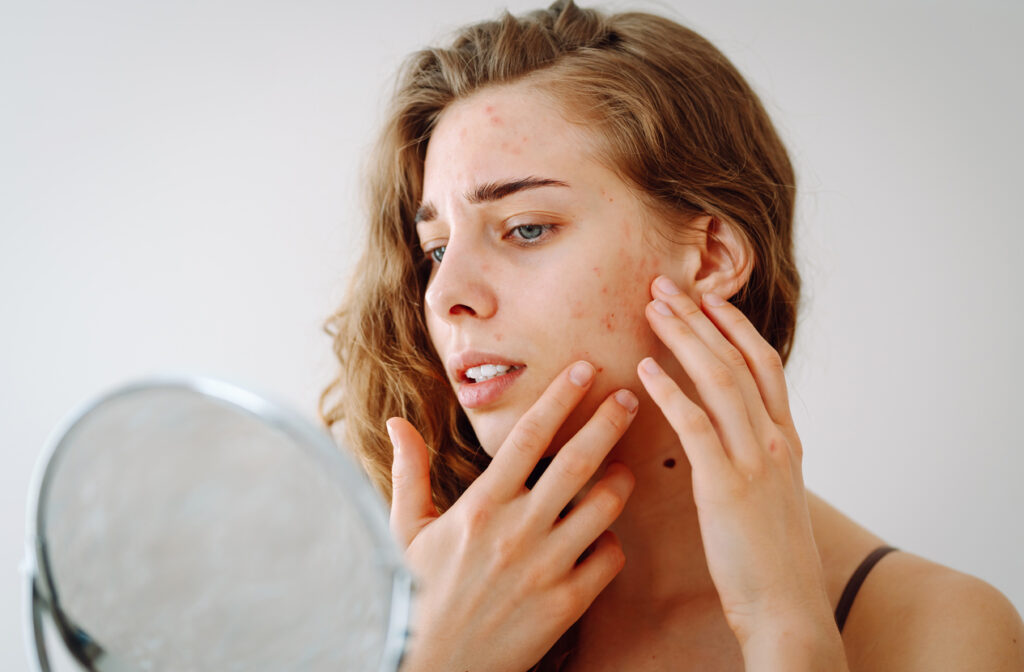
Even after skin problems improve or resolve, the psychological effects can linger for years. You might continue feeling self-conscious, avoiding certain situations, or being hypercritical about your appearance long after other people have stopped noticing any issues.
The mental health impact of skin problems is often underestimated by medical professionals who focus on treating the physical symptoms without addressing the emotional trauma that comes from months or years of feeling visibly different or flawed.