Many believe that Brexit is one of the worst things to have happened to Britain.
However, despite growing support for rejoining the EU, with polls consistently showing majorities in favour since 2022, there’s loads of wishful thinking about what would actually change. The reality is that even if the UK went through the lengthy Article 49 process and rejoined, many of the things people expect simply wouldn’t happen, at least not right away.
1. Getting back all those special deals and opt-outs we had before
The UK previously enjoyed a sweetheart deal with EU budget rebates, opt-outs from the euro, and exemption from Schengen. As a new member applying under Article 49, we’d be treated like any other applicant, with no special favours and certainly no guarantee of our old privileges.
The Institute for Government confirms that “as a new member state, the UK would have no such privileges” and would need unanimous approval from all member states for any opt-outs. Those concessions were hard-fought over decades and won’t be handed back on a silver platter.
2. Avoiding the euro forever

All new EU member states are required to adopt the euro when they meet convergence criteria, with only Denmark having a formal opt-out from before. The UK would have to commit to joining the eurozone eventually, even if not immediately.
YouGov polling shows that when people are told rejoining would require adopting the euro and Schengen, support drops to just 36% with 42% opposed. The British public’s attachment to the pound remains a massive hurdle that wouldn’t magically disappear.
3. Skipping the Schengen Area

New member states are required to join Schengen, though some existing members like Bulgaria and Romania haven’t yet but are legally obliged to do so. The UK’s island mentality and desire for border control wouldn’t exempt us from this requirement.
This means passport-free travel with the continent and giving up our cherished border controls. The very issues that drove Brexit like sovereignty and immigration would resurface immediately during accession negotiations.
4. Rejoining quickly or easily
As one MP noted in Parliament, Albania became an EU candidate in 2014, but still isn’t a member 10 years later. The Article 49 process requires unanimous agreement from all 27 member states and can take many years even for straightforward applications.
Any member state could veto UK membership, as France did in the 1960s. Countries might demand concessions, reforms, or simply make us wait as punishment for leaving in the first place. This isn’t a quick reconciliation; it’s a lengthy, complex diplomatic process.
5. Automatically getting back single market benefits

Being in the single market again wouldn’t instantly restore all the trading relationships and supply chains that were disrupted by Brexit. Businesses have adapted, found new suppliers, and restructured their operations over five years of separation.
£27 billion in EU trade was lost in the first two years after Brexit, but rejoining wouldn’t magically restore those exact same trading patterns. Companies would need time and incentives to shift back to European suppliers and partners.
6. Returning to the pre-2016 relationship
The EU has moved on without the UK and developed new policies, relationships, and priorities. We wouldn’t be rejoining the same organisation we left. We’d be joining an EU that’s evolved and changed during our absence.
New initiatives like the European Green Deal, increased defence cooperation, and post-COVID recovery funds have reshaped the EU’s direction. The UK would have to adapt to this new reality, rather than picking up where we left off in 2020.
7. Avoiding paying the Brexit divorce bill
The UK would still owe its existing financial commitments from Brexit, estimated at around £40 billion. Rejoining wouldn’t cancel this debt, if anything, the EU might insist on full payment before considering our application seriously.
On top of the divorce bill, we’d then start paying membership fees again, potentially without the generous rebate we previously enjoyed. It’s paying twice for the privilege of being European again.
8. Solving the Northern Ireland problem
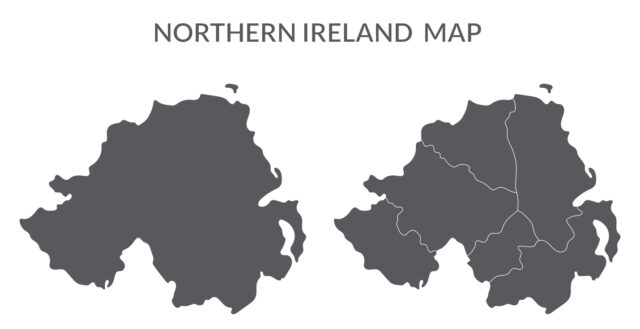
The Northern Ireland Protocol issues that caused so much grief post-Brexit wouldn’t automatically disappear. The unique situation of Northern Ireland would still require special arrangements and ongoing negotiation.
Even within the EU, managing the Irish border, maintaining the Good Friday Agreement, and balancing competing interests would remain complex. EU membership doesn’t provide magic solutions to deep-seated constitutional issues.
9. Regaining our previous influence and voting weight

The UK wouldn’t automatically resume its former position as a major EU power. After walking out dramatically, we’d likely face years of rebuilding trust and credibility before being taken seriously on major decisions.
Other member states have filled the leadership vacuum left by Brexit, and Germany and France have strengthened their position. The UK would be starting from scratch in terms of building coalitions and wielding influence within EU institutions.
10. Keeping our current immigration system

EU membership means accepting freedom of movement, which the current government has explicitly ruled out returning to. The points-based immigration system and restrictions on EU workers would have to be scrapped entirely.
This would mean unlimited EU migration again, precisely what many Brexit voters wanted to avoid. The UK couldn’t cherry-pick EU membership whilst maintaining immigration controls that contradict fundamental EU principles.
11. Avoiding new EU obligations and rules
The EU has continued developing new legislation and policies since 2020. Rejoining would mean accepting not just the existing acquis, but also all the new rules and regulations that have been adopted in our absence.
Climate targets, digital regulations, corporate taxation rules, and other EU initiatives developed since Brexit would all become binding on the UK immediately. We couldn’t opt out of inconvenient new obligations just because we weren’t here when they were agreed.
12. Getting special treatment from EU negotiators

The EU wouldn’t roll out the red carpet for a returning UK. If anything, they’d be more demanding to prove that leaving and rejoining wasn’t consequence-free, and to deter other potential leavers.
Political scientist Anthony Salamone suggests member states would want to see “sustained 60% support” for rejoining as a minimum requirement. The bar would be set higher, not lower, for a country that had already demonstrated it couldn’t be trusted to stay committed.
13. Undoing all the economic damage from Brexit

Five years of economic disruption, lost investment, and structural changes wouldn’t be reversed overnight by rejoining. The UK economy has adapted to Brexit in various ways, and reversing course would create new disruptions and costs.
Financial services lost passporting rights, manufacturing supply chains were reshuffled, and trade patterns shifted. Rejoining would require another painful adjustment period, rather than simply switching back to the old arrangements.
14. Avoiding a referendum on the terms
Various advocates suggest rejoining would need two referendums, one to confirm seeking membership and another to approve the final terms. No government would dare take the UK back into the EU without explicit public approval.
Given how the 2016 referendum went, there’s no guarantee these votes would go as polling suggests. The Leave campaign would mobilise again, and the terms offered by the EU might be unpopular enough to change public opinion during the campaign.
15. Making everyone happy about European integration
Current polling shows 56-60% support for rejoining in hypothetical referendums, but this still leaves 40-44% opposed. Rejoining wouldn’t heal the divisions that Brexit created. In fact, it might actually deepen them.
The roughly 17 million people who voted Leave wouldn’t suddenly become enthusiastic Europeans. They’d remain a substantial, vocal minority opposed to EU membership, creating ongoing political instability and resentment that would persist long after rejoining was accomplished.