Privatisation promised efficiency and brighter futures for public services—a win-win situation for all.

Of course, the reality has turned out much, much differently. For many of these industries, things have gone from bad to worse over the years, and many are on the brink of total collapse. From our taps to train seats, these are some of the British institutions that have stumbled since moving into private hands.
1. Water services that once cleaned, now pollute.

Privatising water companies came with promises of better service and lower bills. Instead, people have been facing sharply rising charges and rivers that are more polluted than ever. The sense that water is being priced and profited from without accountability is painfully real.
Fixing this starts with putting public interest back at the heart of water services. We need regulation that works, investment that actually reaches pipes and rivers, and a sense that water remains a public good, not just a shareholder asset.
2. Thames Water’s toxic record of debt and neglect is atrocious.
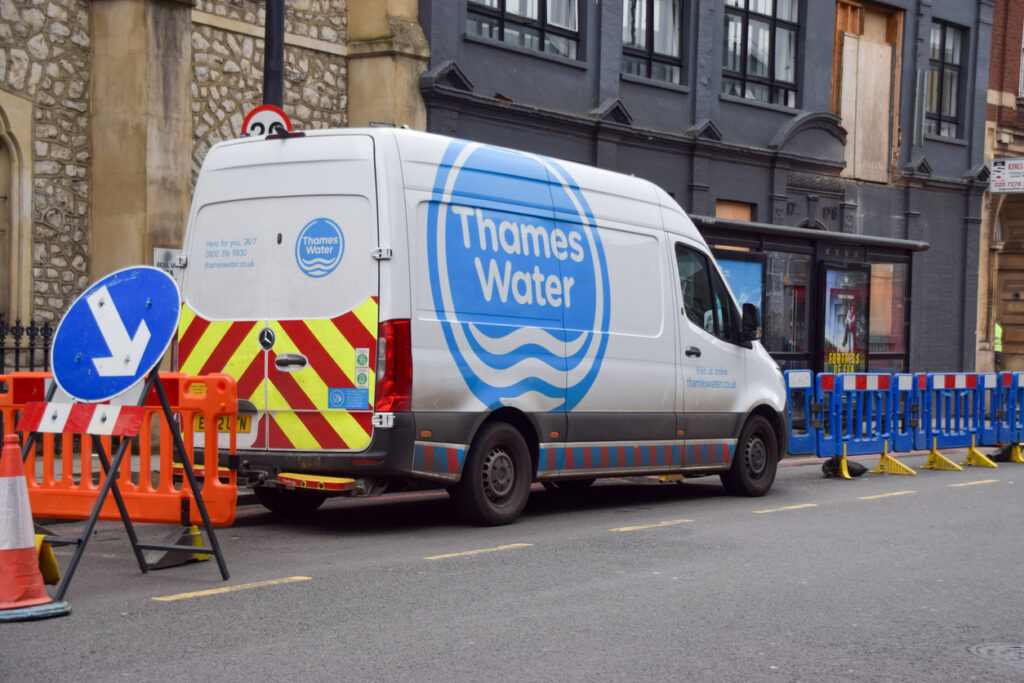
The Thames, a symbol of British identity, has seen worse pollution and inadequate infrastructure since privatisation. Thames Water’s staggering debt and repeated environmental lapses leave many wondering whether private ownership is truly sustainable. As recently as this week, Rachel Reeves was scrambling for a way to save it, but things never should have got to this point to begin with.
Until we see stronger oversight and real investment, people cannot trust that their water is safe, and their bills are fair. It’s clear that what started as reform now looks like a downward spiral unless something changes.
3. British Rail has fractured into confusion.
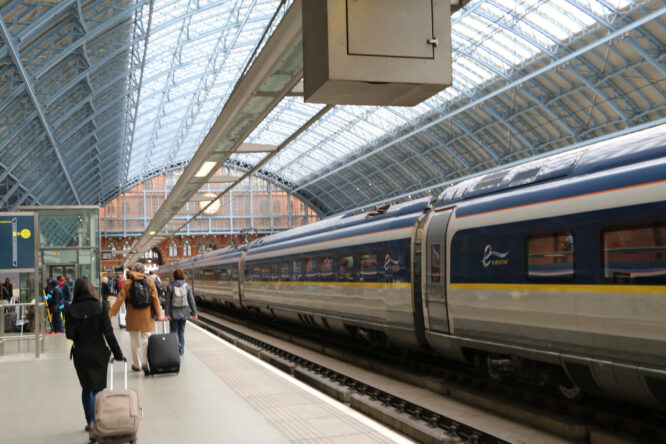
Once a unified network, British Rail was split into a patchwork of franchises and operators. What followed was higher fares, inconsistent punctuality, and a public burden of subsidies that never really went away.
We’ve seen that splitting the network into competing parts didn’t make journeys smoother or cheaper. It often means longer waits, unclear responsibilities, and a feeling that the system is easier for private companies to profit from than for passengers to trust.
4. Bus networks have shrunk into spotty coverage.

When buses were deregulated and privatised, rural routes and evening services often disappeared. Many towns now struggle with unreliable or reduced transport, while fares went up and passenger numbers dropped.
What was once reasonable and local on the road feels fragmented now. Rebuilding meaningful coverage may not mean undoing privatisation entirely, but it will require bold planning and investment because many places are left behind.
5. The British steel industry has given way to global uncertainty.
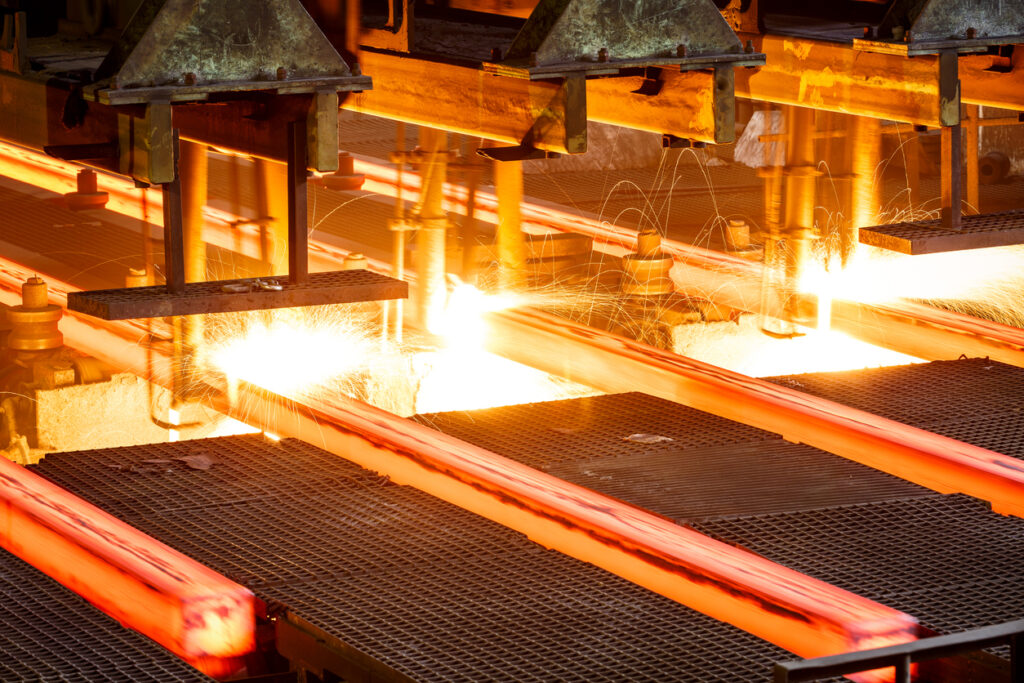
British Steel’s journey post-privatisation has been rocky, marked by financial instability and shrinking output. Combined with the decline in domestic shipbuilding, the nation has seen less control over an industry once central to manufacturing strength.
Steel might feel old-fashioned, but it remains vital infrastructure. Reimagining its future may mean more than private investment. It might mean rethinking how essential industries stay rooted in national interest.
6. Shipbuilding got lost in the waves of closures.
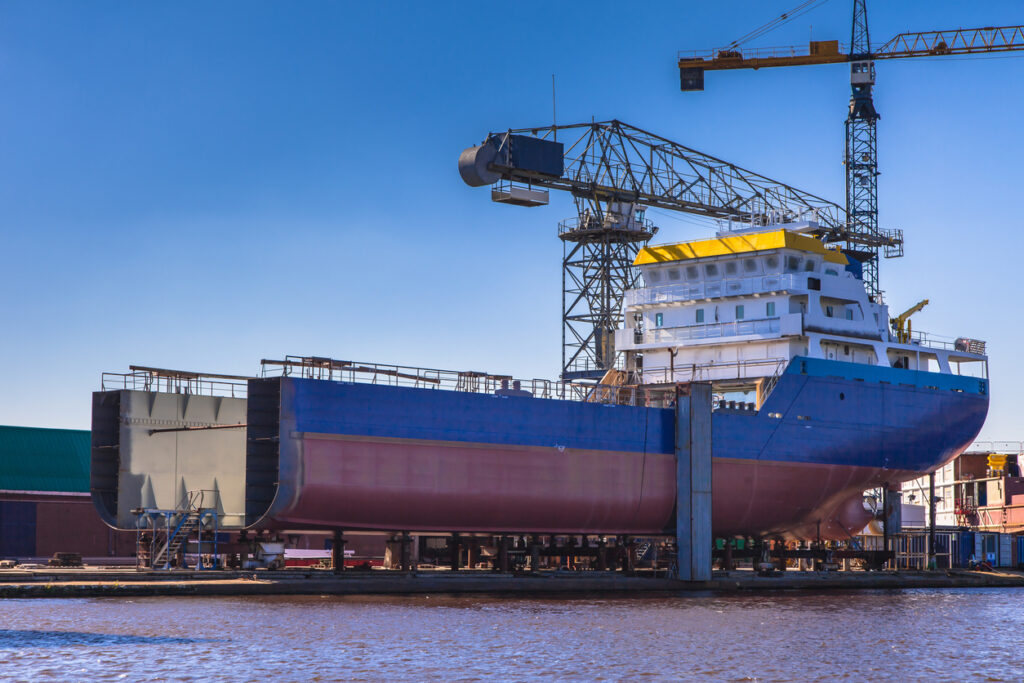
Once a jewel of British industry, shipbuilding endured closures and sell-offs through successive privatisations. Many historic shipyards simply vanished, leaving parts of the UK without local industry or jobs.
That legacy shows what happens when complex crafts are managed for short-term profit. If industries matter to the character and resilience of regions, we might need to think differently about how they’re sustained.
7. Energy prices have climbed higher than ever before.

The privatisation of energy brought competition, but customers often pay the price—literally. Energy bills have seen steep rises, causing financial strain and even fuel poverty for many households. Cheap energy was never a guaranteed outcome of privatisation. Protecting families may now require policies that put affordability on par with efficiency, so warmth is not a luxury.
8. Power outages happen when profit takes precedence.
Efficiency and maintenance did not always align post-privatisation. Some private energy providers have delayed or deferred updates, leading to fragility in systems that used to benefit from unified upkeep. Reliable service depends on more than cost-cutting. It depends on foresight, and private firms don’t always have the right incentives to safeguard infrastructure decades into the future.
9. Research and training have been left behind.

Prior to privatisation, industries like rail had dedicated research arms and apprenticeships. After divestment, much of that expertise dwindled, leaving skills and innovation scarce when they were most needed.
Complex services need more than operations. They need learning built in. If privatisation leaves voids in skills or future planning, we lose out in ways that cut beyond profit margins.
10. So-called “regulation” rewards shareholders but doesn’t protect customers.
The move from public to private ownership brought regulators instead of direct accountability. However, when regulators fail to act, letting violations or pollution slide, it leaves the public hanging between profit and protection.
Strong services need strong oversight, but that oversight needs teeth. Ensuring regulators serve citizens, not companies, means putting real enforcement, transparency, and consequences back on the table.
11. Jobs were lost when efficiency became the priority.
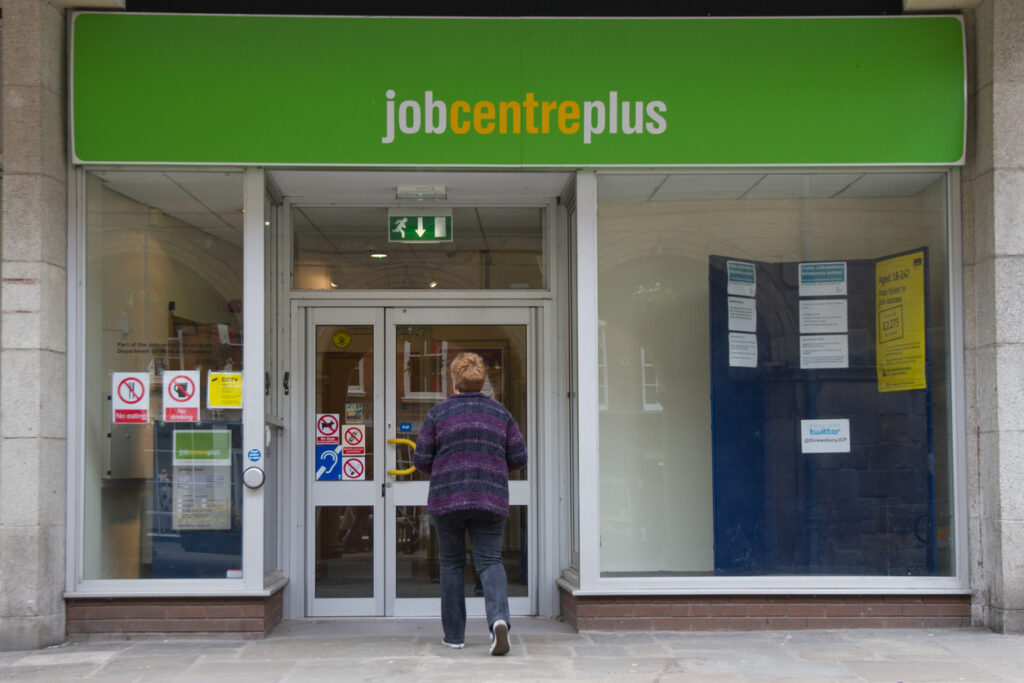
Some privatised sectors saw thousands of job losses in the name of leaner operations. These reductions often hit communities hard, and the social cost of lost livelihoods tends to echo across generations. Being smart about efficiency doesn’t have to mean less human care. We can value sustainability in methods without eroding the people whose work matters, and whose skills we risk losing.
12. Progress stalled when profit stalled alongside it.

Privatisation brought promises of innovation and investment, but when profit becomes the only measurement, investment can dry up. Essential services may lag or even regress if profit drops. To revive these sectors, we need models that balance efficiency with purpose. Profit alone cannot build a future. We need systems that respect infrastructure, innovation, and social stability together.