The yearning for Britain’s “good old days” isn’t just sentimental nonsense.

It’s actually a rational response to measurable declines in quality of life that previous generations took for granted. Research shows that 44% of Brits would prefer to have grown up when their parents were kids, while those who are older regularly wax nostalgic on their on childhoods, revealing a deep dissatisfaction with how modern life actually feels to live through. Here’s why this feeling is so strong.
1. Young people can’t afford to live independently in ways their parents could.
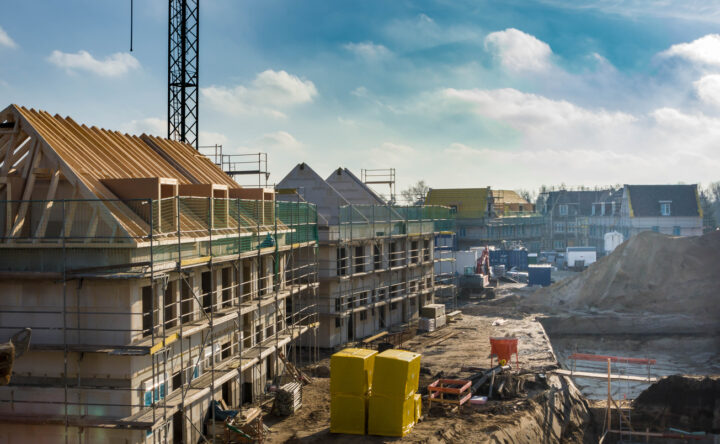
Housing costs now eat up such a massive chunk of income that over half of people living at home are aged 16 to 24 and simply can’t afford to move out. In 1997, over half of London homes were affordable to average earners. By 2024, just 3% were.
When boomers get nostalgic, they’re remembering when working full-time actually meant you could afford your own place. Housing used to cost three to four times your annual salary, instead of today’s brutal 12.7 times for minimum wage workers.
2. Everyone’s broke despite working harder than ever.

Seven million households regularly go without essentials like food and heating, while older generations remember when working-class jobs provided genuine financial stability. The cost of living crisis has made basic survival genuinely tougher than it was decades ago.
People aren’t romanticising the past—they’re mourning when wages actually grew faster than expenses. That’s something younger generations have literally never experienced in their working lives.
3. Social trust has completely collapsed in ways that feel scary.

Community data shows people increasingly can’t trust their neighbours or feel safe in their own areas. The riots and rising hate crimes aren’t isolated incidents. In reality, they reflect deeper social breakdown that older generations remember being intact.
The nostalgia is for communities where people actually knew each other and looked out for one another. Today’s anonymous, transient living situations prevent the formation of bonds that once provided genuine security.
4. Your job will probably disappear and definitely won’t support a family.

The gig economy and constant job insecurity make long-term planning impossible, but older generations remember careers that provided genuine advancement, pensions, and the ability to support families on single incomes.
People aren’t necessarily romanticising boring jobs. They’re missing the security that allowed people to build actual lives rather than constantly adapting to economic chaos beyond their control.
5. Digital technology has made everyone lonelier despite being more “connected.”

Nostalgic trends show people desperately craving pre-internet social experiences: jazz clubs, actual conversations, activities requiring genuine human presence rather than staring at screens together.
The analogue nostalgia reflects awareness that digital communication lacks the depth of in-person community life. People miss the forced social interaction that happened when entertainment required gathering with other people.
6. Mental health problems have reached levels that would have seemed apocalyptic to previous generations.

Rising anxiety, depression, and social isolation create daily suffering that previous generations encountered much less frequently. The constant stress makes any era with less psychological pressure seem golden.
This becomes a coping mechanism for dealing with mental health challenges that were genuinely less prevalent when communities provided stronger support and life felt more predictable.
7. Young people will be poorer than their parents for the first time in modern history.

For the first time in generations, young people can reasonably expect worse life prospects than their parents had. This reversal of progress makes the past seem golden because it actually was better.
The statistics support the nostalgia. Previous generations genuinely did have access to opportunities that no longer exist at the same scale or affordability. This isn’t delusion, it’s maths.
8. The natural world is visibly dying within a single lifetime.

Climate anxiety and environmental destruction create a sense that the world is literally less beautiful than it used to be. Older generations remember cleaner rivers, more wildlife, and dramatically less plastic pollution.
Environmental nostalgia is based on documented loss; there genuinely were more birds, cleaner air, and intact ecosystems within living memory. This is grief for measurable ecological decline, not imagination.
9. Hard work no longer leads to advancement like it used to.

Social mobility has stagnated while inequality has exploded, making the meritocracy promise feel increasingly hollow. Previous generations experienced more genuine opportunity for class advancement through effort.
People feel nostalgic because meritocracy actually worked better when there was less inequality and more accessible pathways to middle-class stability through basic education and employment.
10. Everyone lives in separate information bubbles instead of sharing common culture.

Social media algorithms have replaced shared cultural experiences with personalised content that isolates people in separate worlds. Previous generations had genuinely collective cultural moments that created social bonds.
Nostalgia for shared TV shows and music reflects awareness that common culture once created connections across different backgrounds. Now everyone consumes completely different content and can’t relate to each other.
11. Government feels completely useless at solving actual problems.

Declining faith in institutions, combined with visible government failures, makes previous eras of civic competence seem miraculous. People remember when public services functioned and politicians seemed less completely mental.
This crosses party lines. It’s awareness that governance itself has become less effective at collective problem-solving, making any era of functional government seem preferable to current chaos.
12. Everything is designed to make you buy stuff instead of building community.

Consumer culture has replaced genuine civic engagement, leaving people feeling empty despite material abundance. Previous generations had more opportunities for meaningful community involvement beyond shopping decisions.
Nostalgia for civic life reflects awareness that consumer choice provides less satisfaction than the community engagement that once gave people genuine influence over their shared future and local environment.
13. The constant threat of global catastrophe creates anxiety previous generations never experienced.

Climate change, pandemic threats, and political instability create permanent low-level stress about existential risks. Previous generations faced specific crises, but not the constant sense of impending doom.
The nostalgia for “simpler times” reflects the genuine psychological burden of knowing about planetary-scale disasters you can’t solve individually. Previous generations worried about local problems they could potentially influence.