In the past decade, true crime has gone from a niche interest to a full-blown global phenomenon.

Millions of people binge podcasts, watch endless documentaries, and dissect every twist in headline-making cases. In the US, this fascination has reached fever pitch. From live courtroom coverage to entire streaming categories dedicated to grisly stories, true crime has embedded itself deeply in American culture.
Britain, though, hasn’t caught the bug in quite the same way. While plenty of people here enjoy a good mystery or tune into a crime documentary, the obsession doesn’t run as deep. Our tastes and traditions pull us in slightly different directions. Here’s why America’s true crime fixation doesn’t fully translate on this side of the Atlantic.
1. Live trial streaming creates different viewing cultures.
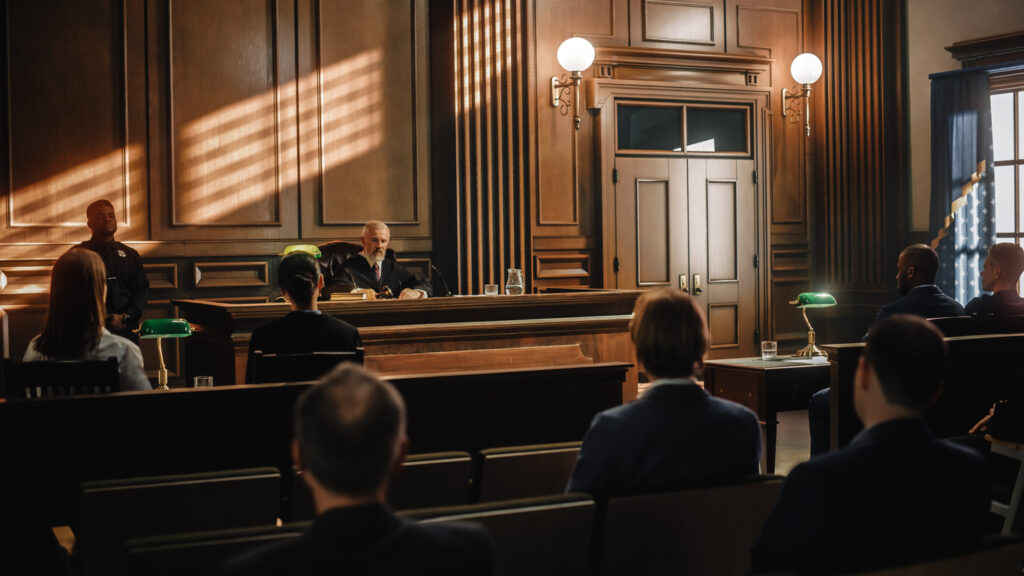
In the US, trials can feel like theatre. Court TV and live gavel-to-gavel coverage turn legal proceedings into must-watch events, and high-profile trials draw in audiences like soap operas. That format simply doesn’t exist here in the same way. Cameras have only been gradually introduced into British courts, and even then, viewing figures are modest. Most people don’t gather round the TV to watch a sentencing.
Part of this comes down to cultural differences in how justice is presented. In the UK, there’s still a strong sense that courtrooms are solemn spaces, not stages. Americans may embrace the spectacle, but here it feels out of step with the idea of keeping dignity and order in legal settings.
2. The cultural appetite for real-life violence is much lower here.

There’s no denying that Americans are more comfortable consuming violent stories as entertainment. Murders, serial killers, and grisly details dominate their true crime charts. In the UK, audiences are more hesitant. People enjoy a good mystery, but there’s less demand for graphic retellings of real suffering.
That doesn’t mean we shy away from crime stories altogether. It’s just that our interest is often more measured, shaped by cultural discomfort with turning tragedy into spectacle. Where Americans might tune in for every dark detail (57% of them love true crime content, according to a YouGov survey), many British viewers prefer crime framed with a bit more distance.
3. British crime programming leans into social commentary.

When you look at British crime dramas or documentaries, they often go beyond “who did it” and dig into the why. Storylines explore social issues, community pressures, or the psychology behind behaviour. The tone is more about examining society than stoking adrenaline.
This style doesn’t just apply to fictional crime series; it’s reflected in how true crime is told here too. There’s a greater focus on causes and context than on pure shock value. In short, crime in Britain is more often treated as something to understand than something to thrill over.
4. Surveillance culture shapes expectations.

Britain is one of the most heavily surveilled countries in the world, with CCTV covering streets, shops, and transport hubs. Not everyone is a fan of our so-called nanny state, but this constant watchfulness creates a belief that most crimes will eventually be solved through evidence and methodical investigation. The idea of endless mysteries isn’t quite as gripping when cameras are thought to be everywhere.
By contrast, American stories often emphasise unsolved cases, dramatic revelations, or missed clues. For British audiences, those kinds of narratives feel less familiar. We expect slow, steady detection rather than shocking twists uncovered years later.
5. Class and culture influence storytelling tastes.

British entertainment has always been shaped by class awareness and a preference for subtlety. Our humour, drama, and even crime stories often have an undercurrent of irony or social critique. Americans, on the other hand, tend to embrace bold, straightforward storytelling that appeals to wider audiences.
That cultural difference filters into true crime. British viewers often want layered, thoughtful narratives, while American productions lean towards big reveals and headline-grabbing drama. It’s not that one is better than the other, just a reflection of what each culture finds satisfying.
6. British media faces different pressures.

American television thrives on keeping viewers hooked, often with cliffhangers before every advert break. That creates a style of storytelling that prioritises drama and constant tension. In Britain, adverts are fewer, and public broadcasters like the BBC don’t rely on them at all.
With less commercial pressure, British crime shows and documentaries can take their time. Stories unfold more steadily, without the need to manufacture drama at every turn. That slower pacing simply doesn’t encourage the same binge-driven obsession.
7. History shaped American true crime differently.

America’s cultural relationship with crime goes back centuries. Public executions, sermons about criminals, and crime pamphlets once served as both moral lessons and entertainment. Crime has long been woven into their idea of collective storytelling.
Britain doesn’t have quite the same tradition. While crime reporting has always existed here, it wasn’t treated as public theatre in the same way. Without that historic framing, modern British audiences don’t approach crime content with the same appetite for spectacle.
8. Policing styles impact the kinds of stories we expect.
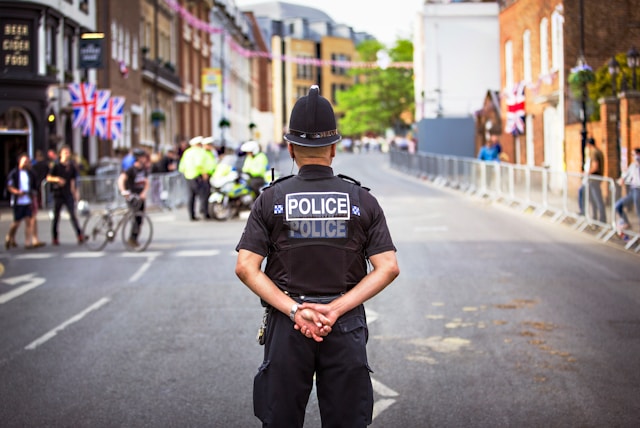
British policing is generally seen as measured and methodical, with an emphasis on community cooperation. Guns aren’t standard issue, so dramatic shootouts are rare. That shapes how crime is portrayed in our media. Detectives piece together cases through patience and interviews, not by storming into buildings.
American policing, with its armed officers and higher-stakes confrontations, naturally lends itself to more action-driven narratives. For British audiences, that kind of high-octane drama feels less authentic, so we’re more drawn to slow-burn investigations instead.
9. Crime rates definitely impact curiosity.

While Britain isn’t crime-free, our violent crime rates are generally lower than in the US. Because of that, the need to make sense of constant high-profile violence isn’t as pressing here. People don’t feel the same pull to process danger through entertainment.
This difference means Americans may consume true crime to grapple with the realities around them, while Brits treat it as more of an occasional interest. The cultural urgency just isn’t the same.
10. Historical crime is more appealing over here.

Plenty of British readers and viewers enjoy true crime, but often in the form of historical cases. Stories set in Victorian times or earlier draw big audiences because they feel less intrusive. The distance makes it easier to explore the details without feeling like you’re peering too closely at modern tragedy.
This preference for history over the here-and-now fits with British cultural tendencies. We often enjoy looking back at social history rather than staring straight at current headlines.
11. Media styles differ from country to country.

Even when the UK produces popular true crime shows, the tone is noticeably different from American counterparts. Our documentaries usually take a more restrained approach, with emphasis on context, timelines, and the wider social picture. The storytelling feels steadier and less sensational.
That doesn’t mean true crime isn’t popular here because it clearly is. However, the way it’s framed reflects our preference for distance and analysis over emotional drama.
12. Privacy expectations are stronger here.

British culture still places a lot of value on privacy and propriety. There’s discomfort with turning real victims’ trauma into mass-market entertainment. American shows often delve deep into personal stories, but here that approach can feel like exploitation.
As a result, British audiences and producers often keep more of a respectful distance from the people involved. That restraint limits how far the obsession can go compared to America’s willingness to put every detail on display.
13. Education often outweighs entertainment.

A lot of British true crime podcasts and shows are hosted by retired police officers, criminologists, or legal experts. The aim is to explain processes and provide professional insight, rather than just spin a dramatic story. The emphasis is often on learning something new, not just being entertained.
In America, amateur sleuthing and speculation form a huge part of the true crime boom. In Britain, that’s less common. People here are more likely to trust expertise than indulge in guesswork, which again shapes the tone of the content.
14. Character-driven drama is our strong suit.

When it comes to fictional crime, British television excels at slow-burning detective stories and layered character development. Shows prioritise methodical investigation and psychology over flashy visuals. Violence is rarely the focus; it’s the people involved and the impact on communities that drive the narrative.
This taste for thoughtful storytelling carries over into true crime. We’re less interested in the blood and guts, and more interested in what crimes say about society. That difference in storytelling focus explains a lot about why America’s true crime mania hasn’t fully crossed the Atlantic.