Electric bikes have absolutely exploded onto our streets over the past few years, and while they’re being hailed as the future of urban transport, they’re also creating problems nobody saw coming. That’s not to say we should outlaw them completely, by any means, but it’s high time we put some rules and regulations in place.
They’re everywhere and multiplying fast.
Once a rare sight, e-bikes are now swarming British streets. According to the Bicycle Association, e-bike sales jumped by more than 40% in the UK in a single year, and while we’re still behind countries like Germany or the Netherlands, the growth rate here is staggering.
You’ll see the change most clearly in big cities. Commuters in London, Manchester, and Bristol have cottoned on to the fact that e-bikes slice through traffic faster than cars or buses. What started as a trendy alternative has become a mainstream transport choice.
Young people are treating them like motorbikes.
Scroll TikTok or Instagram, and you’ll find a growing number of teenagers showing off high-powered “e-bikes” that look suspiciously like mopeds. The trouble is, many of these aren’t really bikes at all. They’re unregistered electric motorcycles that can hit motorway speeds.
Unlike the pedal-assist bikes your gran might use to get up a hill, these machines can do 50–60mph, often with no licence plates, insurance, or helmets in sight. It’s a recipe for disaster, and police are struggling to enforce the difference between a legal e-bike and an illegal e-motorbike.
Accident rates are going through the roof.
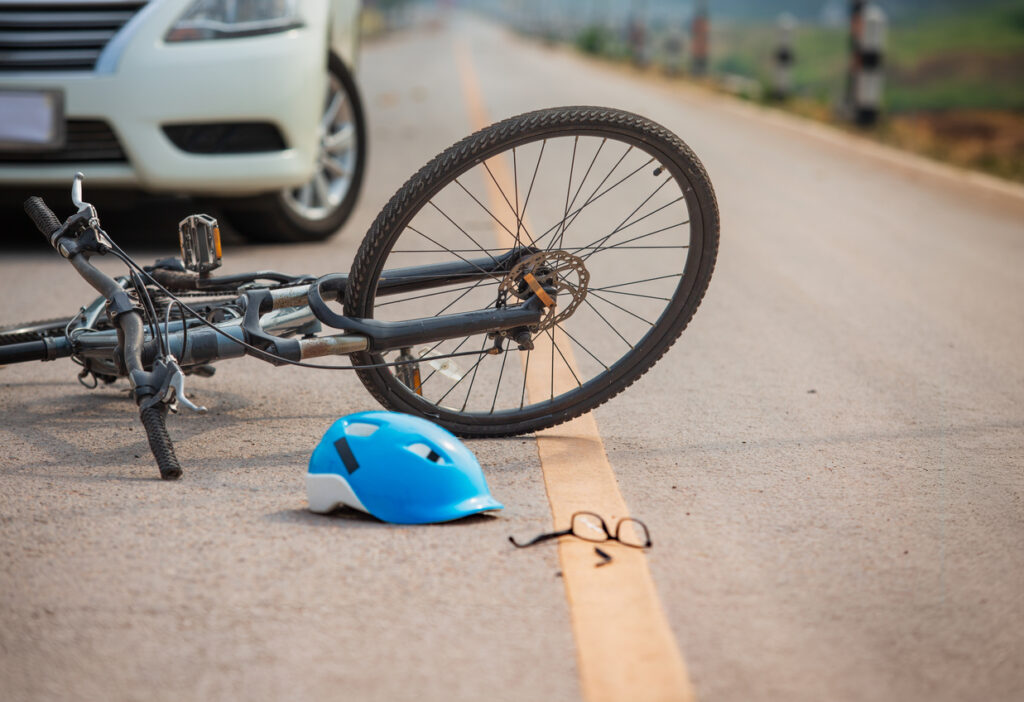
British trauma surgeons have started raising concerns about the number and severity of e-bike accidents coming through A&E. NHS data is patchy because e-bike crashes often get lumped in with traditional cycling, but doctors are reporting nastier injuries, including spinal fractures, head trauma, and serious collisions involving pedestrians.
The extra speed and weight of e-bikes mean that when things go wrong, they go very wrong. And with more riders every year, those numbers aren’t likely to fall anytime soon.
Nobody knows the rules.
Ask 10 e-bike riders about the law and you’ll probably get ten different answers. Many people don’t realise that in the UK, only pedal-assist bikes capped at 15.5 mph with motors under 250 watts are road legal without insurance. Anything more powerful technically counts as a moped.
This confusion means people are unknowingly riding illegal vehicles. Drivers also aren’t sure how to respond when an “e-bike” whizzes past them at 30 mph. Until the law is clarified and enforced consistently, chaos on the roads will only grow.
They’re silent but dangerous.
Unlike motorbikes, e-bikes make barely a sound. That might seem harmless, but it’s actually risky. Pedestrians can step into cycle lanes without realising a fast-moving e-bike is seconds away. Older people and children are particularly vulnerable, and drivers often only notice e-bikes once they’re already in the blind spot.
Silence combined with speed creates hazards our traffic systems weren’t built for. You can’t rely on your ears to keep you safe anymore.
Infrastructure can’t cope.
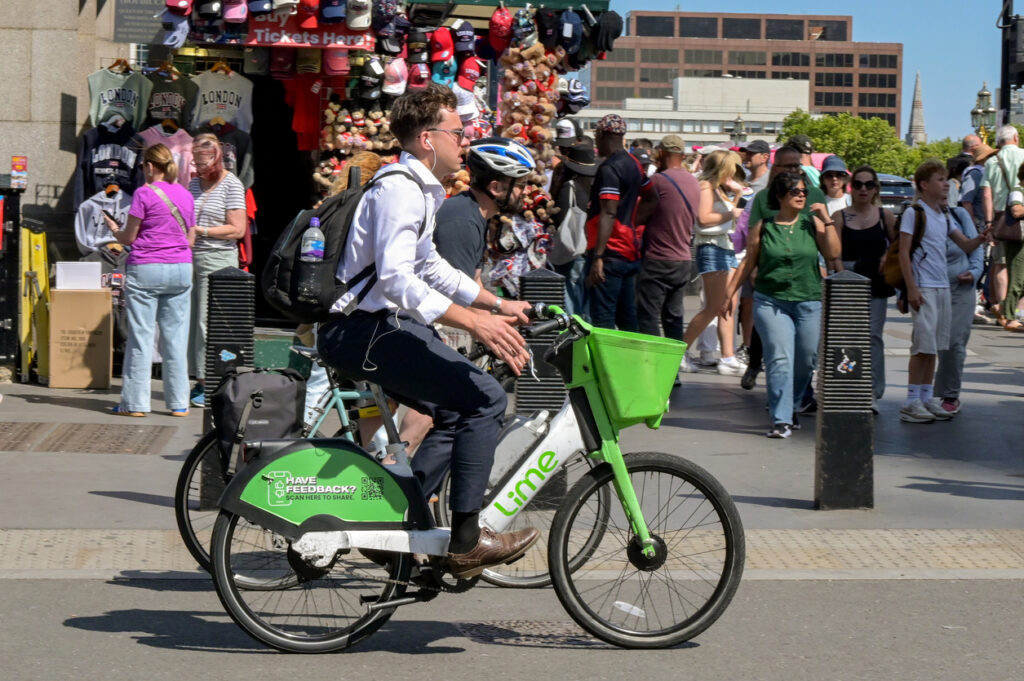
Most UK cycle lanes were designed decades ago for traditional pedal bikes. They’re narrow, shared with pedestrians, and full of bottlenecks. Now e-bikes, which are faster, heavier, and far more numerous, are piling into the same spaces, and the result is chaos.
Cities are scrambling to redesign bike lanes, but the money and space just aren’t there yet. Until infrastructure catches up, riders will keep spilling into pavements and roads, creating tension with pedestrians and drivers alike.
Kids are getting seriously hurt.
Paediatric doctors in the UK have begun sounding the alarm about children on e-bikes. Parents buy them thinking they’re just a souped-up push-bike, but in reality, they’re closer to motorbikes. Helmet use among kids is low, and when crashes happen, hospital admissions are far more common than with normal bicycles.
What used to be a scraped knee or a bruised elbow is now turning into broken bones and head injuries. It’s a hidden consequence of the e-bike boom.
The delivery army is taking over.
If you live in a city or even a decent sized town, you’ll have noticed the rise of Deliveroo, Uber Eats, and Just Eat riders on e-bikes. They weave through traffic, mount pavements, and push through pedestrian crossings, all to shave minutes off delivery times.
Many of these riders are on high-powered bikes that bend the rules, and because their income depends on speed, they take risks traditional cyclists don’t. It’s changing the dynamic of urban cycling, and not always for the better.
Traditional cyclists are getting pushed out.
For decades, cycling was slow, steady, and (mostly) safe. Now, some bike paths feel like racetracks. E-bikes zip past traditional cyclists at twice the speed, making older or more cautious riders feel unsafe.
The relaxed, accessible pace of normal cycling is being eroded. If that continues, people who would have taken up cycling for exercise, leisure, or commuting may abandon it altogether.
Fire risks are creating new dangers.
It’s not just road accidents causing alarm. London Fire Brigade has reported a surge in house fires caused by faulty e-bike batteries. In 2023 alone, there were more than 150 fires linked to e-bikes and e-scooters in London, some of them fatal.
These aren’t small kitchen fires, either. Lithium-ion battery fires are intense, unpredictable, and hard to put out. Charging e-bikes indoors has created a brand-new urban fire risk that emergency services are scrambling to manage.
They’re disrupting city planning.
In theory, e-bikes should be a city planner’s dream: fewer cars, less congestion, and lower emissions. In practice, the sudden surge has thrown up new problems. Parking spaces, traffic light systems, and bike storage all need redesigning for a world where thousands more people are on two wheels.
Cities like London are already struggling to keep up, with pavements, roads, and cycle lanes jammed. The speed of the change has left authorities flat-footed.
Regulation is a complete mess.

Britain’s e-bike laws are out of step with reality. Some local police forces crack down on illegal high-powered e-bikes, while others barely bother. Courts treat offences inconsistently. Riders don’t know what’s legal, and enforcement officers are confused too.
Until the government updates and enforces clear national regulations, we’ll keep seeing dangerous grey areas, from kids on mopeds disguised as bikes to delivery riders on machines that belong on motorways.
The future looks overwhelming.
The UK e-bike market is forecast to keep booming, with sales expected to double in the next decade. As batteries get lighter, ranges get longer, and prices slowly fall, even more people will switch. That’s great for cutting emissions, but without proper planning, it risks overwhelming cities already straining under the weight of this quiet revolution.
We’re not at the point of banning e-bikes, nor should we be. However, we do need urgent investment in infrastructure, safety campaigns, and clear regulations. Otherwise, the e-bike dream could tip into an urban nightmare.