Discriminating against someone because of their age is never okay, and that’s not what we’re talking about here.

Assuming that someone is less intelligent or less capable simply because of how long ago they were born is terrible and needs to be eliminated completely. That being said, some evolutionary researchers are suggesting there might be hidden survival reasons why age-based attitudes developed in the first place, and why they might be good for us in very small doses. At least that seems to be the case, according to a German study of over 800 people over at 15-year period, as published in the journal Psychology and Aging (via The Times).
Your brain is wired to spot mortality reminders.

Terror management theory suggests that ageism serves as a psychological defence mechanism against death anxiety, helping younger people distance themselves from reminders of their own eventual mortality. When you see older adults experiencing physical decline, your brain automatically creates emotional distance to protect you from confronting your own future.
It’s not conscious cruelty. It’s your survival instinct trying to keep you focused on living rather than dying. Understanding this mechanism can actually help you recognise when you’re doing it and make more conscious choices about how you relate to older people.
2. Group survival sometimes requires tough decisions.

From a sociofunctional evolutionary perspective, humans evolved to live in groups where every member needed to contribute to collective survival. When resources were scarce, groups that could make difficult decisions about who to prioritise were more likely to survive than those that couldn’t.
Ageism might have developed as a way to identify group members who could no longer contribute as much and suddenly required more resources. That harsh calculation helped ensure the group’s overall survival, even if it was unfair to individuals who’d already contributed their whole lives.
3. It forces you to plan for your own future.

Being confronted with negative attitudes about ageing can actually motivate you to take better care of your health and plan more carefully for your later years. People who witness ageism often become more conscious about saving money, staying fit, and maintaining social connections.
This forward-thinking behaviour improves your chances of having a better quality of life as you age. The discomfort of seeing how older people are treated can be a wake-up call that pushes you toward healthier long-term choices.
4. It encourages innovation and adaptation.

Age-based hierarchies can create pressure for younger generations to develop new solutions and challenge outdated methods rather than simply accepting traditional ways of doing things. That generational tension often drives technological and social progress.
When younger people feel they need to prove themselves against established older authority, it can lead to breakthrough innovations and improvements that benefit everyone. The competitive dynamic, while uncomfortable, can push society forward in important ways.
5. It maintains social energy and risk-taking.

Societies need people willing to take risks, start new ventures, and adapt quickly to changing circumstances. Age stereotypes that favour youth energy and risk-taking can ensure these vital qualities remain prominent in decision-making roles.
While it’s a bit unfair to capable older people, it does mean that organisations and societies maintain the drive and adaptability needed to survive in competitive or rapidly changing environments.
6. It protects limited leadership positions.

From an evolutionary standpoint, having too many leaders competing for the same roles can create destructive internal conflict that weakens the group. Age-based succession systems, even when they involve ageist assumptions, provide a relatively peaceful way to manage leadership transitions.
It prevents the kind of prolonged power struggles that could tear communities apart. Obviously, merit should ideally determine leadership, but age-based systems at least provide predictable structure that reduces internal warfare.
7. It speeds up generational knowledge transfer.

When older people face pressure to step aside, it can accelerate the process of passing knowledge and skills to younger generations before it’s too late. This urgency ensures that crucial information doesn’t die with individuals who might otherwise delay sharing it.
The discomfort of being marginalised can motivate older people to become more active mentors and teachers, ultimately benefiting the community’s long-term knowledge base.
8. It creates realistic expectations about decline.
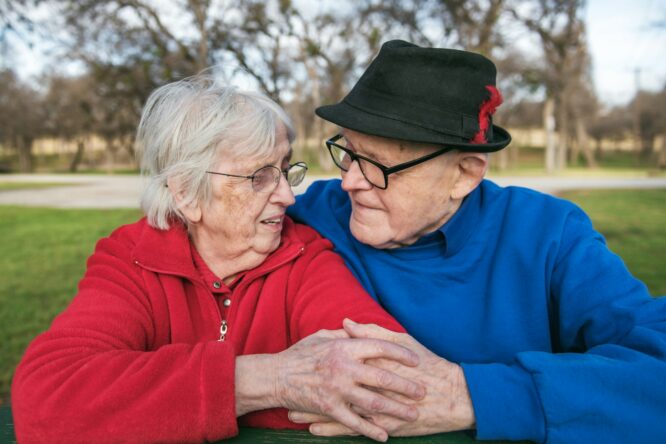
Ageist attitudes, while often exaggerated, can help people develop realistic expectations about the physical and cognitive changes that come with ageing. This mental preparation can actually improve coping when those changes do occur.
People who expect some decline and plan accordingly often handle ageing better than those who are completely unprepared for any limitations. The awareness, even if sometimes premature, encourages practical planning.
9. It drives medical and technological advancement.

Fear of becoming the target of ageism motivates investment in anti-ageing research, medical treatments, and assistive technologies. The desire to avoid the negative consequences of being seen as “old” fuels innovation in healthcare and quality of life improvements.
This research ultimately benefits everyone, including older people, by developing treatments and technologies that extend healthy lifespan and maintain independence longer.
10. It encourages intergenerational cooperation.

When older and younger people both recognise the harmful effects of ageism, it can create stronger bonds between generations as they work together to address the problem. Shared opposition to unfair treatment can build empathy and understanding.
Cooperation benefits both groups: older people get support and advocacy, while younger people gain wisdom and mentoring. The conflict created by ageism can ultimately lead to better relationships once people start addressing it consciously.
11. It promotes resource efficiency during crises.

During emergencies or resource shortages, age-based decision-making can provide a quick framework for allocation when there isn’t time for complex individual assessments. Such harsh efficiency might improve group survival rates during genuine crises.
Of course, we’d never want to implement such systems in normal times. Still, the underlying psychological mechanisms might have helped our ancestors survive disasters where quick, difficult decisions were necessary for group survival.
12. It maintains competitive advantage.

Groups or societies that prioritise younger members’ advancement might outcompete those that don’t, simply because they’re better at adapting to new challenges and opportunities. That competitive advantage could explain why ageist attitudes persist across cultures.
The uncomfortable truth is that societies need to balance respect for experience with investment in future potential. Age bias, while unfair, might reflect an adaptive strategy for maintaining competitive edge in a challenging world.
But here’s the crucial point: just because something might have evolutionary origins doesn’t mean it’s morally right or that we should accept it in modern society. Understanding these potential mechanisms can actually help us address ageism more effectively by recognising why these attitudes feel “natural” and still choosing to do better.