In September 2025, Prime Minister Keir Starmer announced a digital ID scheme that’ll be mandatory for right to work checks by the end of this parliament.
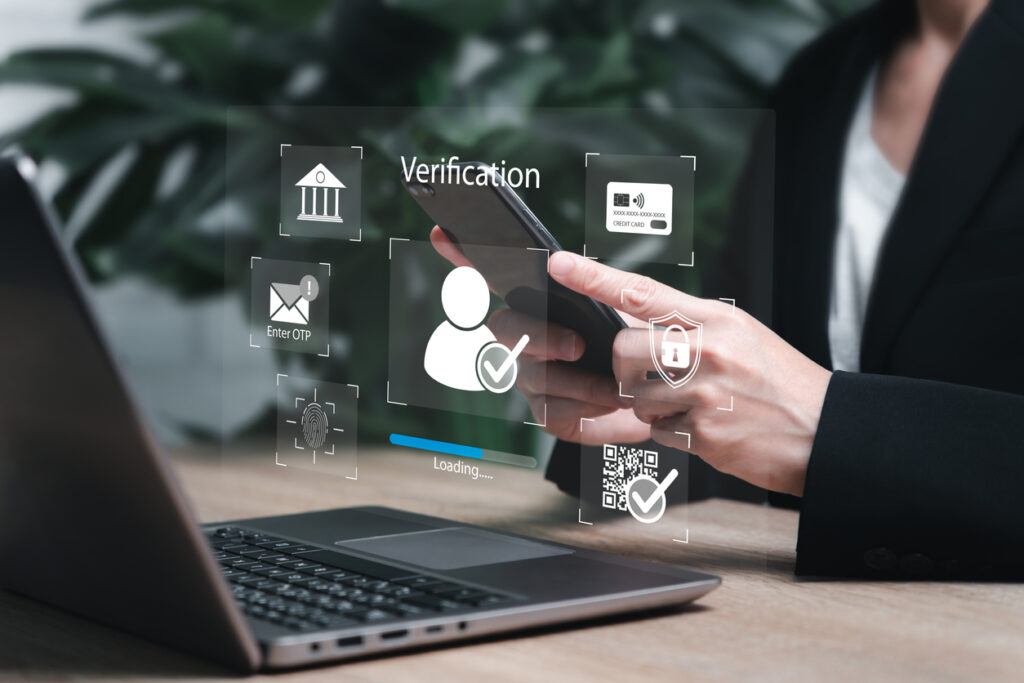
It’ll be stored on your phone like the NHS App, and they’re saying it’s meant to make life easier while cracking down on illegal working. Needless to say, many people are against the idea, which was first floated by Tony Blair and abandoned two decades ago. After all, it impedes on citizens’ civil liberties, makes people’s personal data vulnerable to inevitable mass-scale breaches, and simply isn’t necessary. After all, we already have national insurance numbers, passports, and driving licences, right?
However, not everyone is against the idea. In fact, a lot of people have pointed out some possible pros to the arrangement, should it come to pass.
You’ll stop hunting for old utility bills to prove who you are.

Instead of complicated identity checks that rely on copies of paper records, you’ll have one ID in one secure place on your phone. This will make it easier to access services without tracking down your passport, birth certificate, driving licence, and various utility bills.
It’ll prove who you are instantly, instead of waiting for manual checks and paperwork. That means faster service across government departments, cutting the lengthy time spent filling in forms and document scanning by verifying your identity in seconds rather than days or weeks.
Applying for government services will be much quicker, at least in theory.

The roll-out will in time make it simpler to apply for services like driving licences, childcare and welfare, while streamlining access to tax records. It’ll help renters quickly prove their identity to landlords and make it easier for parents to apply for free childcare.
In Estonia, digital ID has revolutionised parents’ lives by enabling access to child benefits, health records, and applications for nursery places seamlessly, never having to provide the same information twice. That’s the model they’re looking at for the UK system.
It’ll help people who struggle to prove their identity.

Around 10% of UK citizens have never had a passport, while 93% of adults own a smartphone. This means it can be difficult to prove your eligibility for services like opening a bank account and claiming benefits, but digital ID will give free, secure identity verification.
Millions of people in the UK lack access to traditional proofs of identity like passports. The digital ID system will integrate assistive technologies for those with physical or cognitive disabilities, with dedicated casework provided for challenging situations like people lacking identity proofs.
Your personal data will actually be safer than it is now, or so they say.

The new plans will offer significant benefits for reducing identity theft and preserving privacy, with security at its core. Digital ID limits personal details being shared unnecessarily, by only sharing the relevant information for the specific scenario in question.
It’ll use “state-of-the-art encryption and user authentication to ensure data is held and accessed securely.” If a phone is lost or stolen, the digital credentials can be immediately revoked and reissued, providing better security than traditional physical documents.
You can update your details from your phone.

Personal information on a digital ID can be updated from your device, such as a change of name, which is a process that’s often slower and more complicated with physical IDs. You won’t need to go through lengthy bureaucratic processes just to change basic information.
According to the government’s website, it’ll cut lengthy time spent filling in forms and document scanning by verifying your identity in seconds rather than days or weeks for processing. The efficiency gains are meant to make dealing with government services significantly less frustrating.
Banks and private services will be easier to access.

In Australia, citizens can access a range of private services, from banking to buying alcohol, with their digital identification, reducing the need for multiple separate accounts and pieces of paper. The UK system is being designed with similar flexibility in mind.
As time goes on, the ID could provide users with access to services such as tax records, childcare, and social welfare benefits. It’ll also be available to use to prove your identity when voting in elections and will reduce identity fraud by minimising personal details you give out.
It’ll work for people without smartphones.

In designing the digital ID scheme, the government will ensure that it works for those who aren’t able to use a smartphone, with inclusion at the heart of its design. The scheme will be rolled out alongside an outreach programme, including face-to-face support for citizens struggling to access it.
The public consultation will engage with groups who aren’t as experienced with the digital world, like the homeless and older people, learning from other countries that have done this well. There’ll be alternatives for those who can’t use the smartphone version.
Employers won’t have to deal with forged documents anymore.

A new streamlined digital system to check right to work will simplify the process, drive up compliance, crack down on forged documents, and create intelligence data on businesses conducting checks to help the Home Office take action on employers hiring illegally.
To help tackle illegal working, it’ll be a legal requirement for employers to check your digital ID as proof of your right to work, for instance before you start a new job. Only UK citizens and legal residents will be able to have one, so verification becomes straightforward.
Police won’t be able to demand to see it.
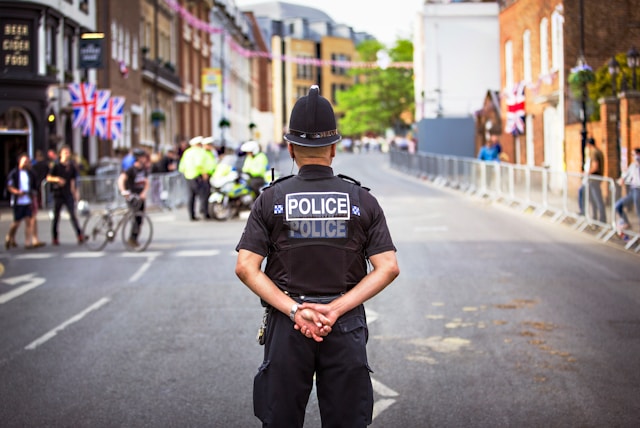
There will be no requirement for individuals to carry their ID or be asked to produce it, but digital ID will be mandatory as a means of proving your right to work. Police will not be able to demand to see your digital ID, following current precedent.
Culture secretary Lisa Nandy told LBC that although all UK citizens will have a digital ID, it will not be mandatory for people to use it beyond proving right to work. It will be entirely their choice for other purposes.
The system’s already been tested and proven to work.
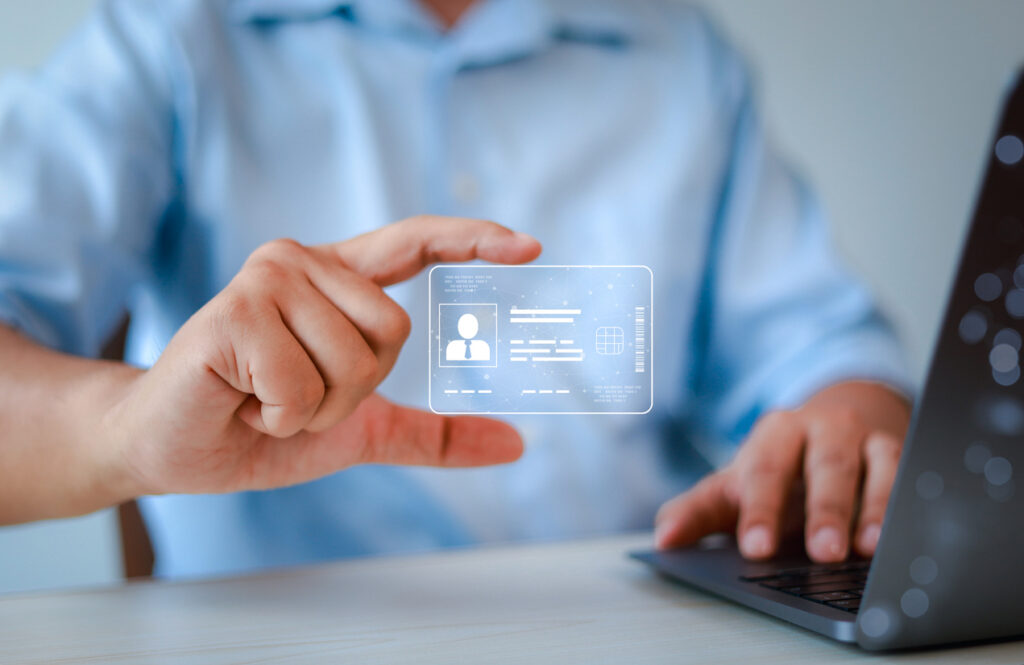
Building on the work already underway to roll out a GOV.UK digital wallet, the digital ID will sit on people’s phones alongside the digital driving licence, which the government has already announced plans to introduce. The technology needed to deliver this already exists.
All the necessary elements of the technology needed to deliver BritCard exist and are already in use in multiple arenas. The additional cost would be modest relative to other forms of infrastructure, estimated between £140 to 400 million for the entire system.