You’ve probably constructed an internal narrative about the type of person you are, but is it truly accurate?

You can say whatever you want about yourself, but how you act when nobody’s really paying attention tells the actual story. These small public moments show who you are when there’s no script or audience to impress. These are the situations in which your real character comes out and is on full display.
1. How you treat service staff

The way you talk to waiters, shop assistants, or delivery drivers when you’re having a rubbish day reveals your real character. Some people stay polite and decent regardless, while others take their frustration out on people who can’t push back.
If you’re rude to someone serving you but lovely to your mates or your boss, that’s not having a bad day, that’s just showing your actual values. How you treat people who can’t do anything for you is the truest measure of who you are deep down.
2. Whether you put your trolley back at the supermarket

Nobody’s watching and there’s no real consequence if you just leave it in the car park taking up a space. But you either feel compelled to return it properly, or you think that’s someone else’s problem to sort out later on.
It’s this tiny test of whether you do the right thing when it’s mildly inconvenient and nobody would know either way. The people who return trolleys aren’t better, they just care about the collective hassle, even when it costs them thirty seconds of their time.
3. How you react when someone else makes a mistake

A barista gets your order wrong or someone bumps into you on the tube. You either respond with understanding that people mess up sometimes, or you make them feel terrible about a tiny human error that wasn’t even malicious.
Your first instinct in these moments, before you’ve had time to think about how you should react, that’s your character showing. The grace you extend to strangers when they’ve inconvenienced you reveals how much empathy you actually carry around with you daily.
4. Whether you hold the door for the person behind you
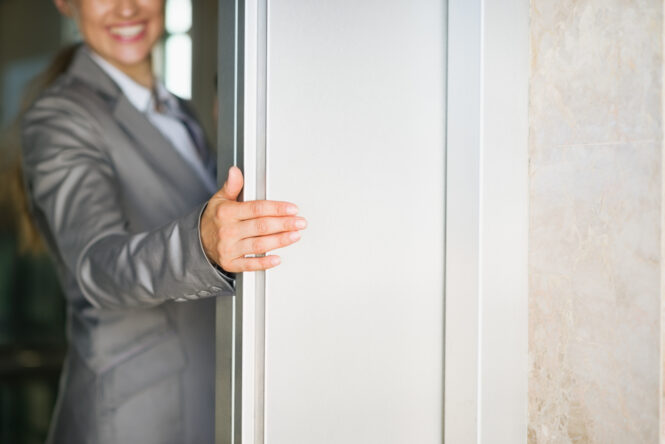
You’re going through a door and there’s someone a few steps behind. You either automatically hold it or you let it swing back without checking, and that split second decision says something about your awareness of other people.
It’s such a small gesture that it barely costs you anything, but it shows whether you’re naturally tuned into the people around you or just focused on your own journey. Consideration isn’t something you switch on for important moments, it’s either there or it isn’t.
5. How you behave when you think nobody important is watching

When you’re alone in a shop or walking down an empty street, do you still follow the same rules you would if people were around. Do you still bin your rubbish or do you drop it because who’s going to see or care anyway.
Your behaviour when there’s no social pressure or accountability, that’s not you on a bad day, that’s just you. The people whose actions stay consistent whether they’re being observed or not have internalised their values rather than just performing them for other people.
6. Whether you acknowledge people doing invisible work

The cleaner in your office building, the person collecting bins, the security guard you walk past every morning. You either see them as actual people worth a nod or hello, or they’re basically furniture you don’t register at all.
Noticing and acknowledging people whose jobs often make them invisible shows you’re not ranking humans by what they can do for you socially or professionally. It’s basic respect that doesn’t require effort, just the awareness that everyone around you is a whole person.
7. How you handle being wrong in a minor disagreement

Someone corrects you about a small fact or points out you’ve made a mistake in conversation. You either admit it easily and move on, or you get defensive and try to save face, even though it genuinely doesn’t matter that much.
People who can’t handle being wrong about tiny things are exhausting because their ego’s involved in everything. But people who can just say fair enough, you’re right actually, they’re secure enough that being corrected doesn’t feel like an attack on their entire worth.
8. Whether you leave public spaces better or worse than you found them

In a shared toilet, a cinema, a park bench, do you leave it how you’d want to find it or is that not something you think about at all. Some people instinctively tidy up a bit, others leave their mess for whoever comes next to deal with.
This isn’t about being obsessively neat, it’s about whether you consider the next person at all. The small act of not making someone else’s day slightly worse because you couldn’t be bothered shows you understand you’re sharing the world with other people who matter too.
9. How you act when you’re in a rush

When you’re late or stressed, do you become more considerate or less because that’s when your default setting shows up. Some people stay polite even when frazzled, others start pushing past people and getting snappy because their urgency trumps basic courtesy.
The person you become under pressure is closer to who you actually are than the person you are when everything’s going smoothly. Kindness that disappears the second you’re inconvenienced wasn’t really kindness, it was just the luxury of having time and patience to spare.
10. Whether you pick up litter that isn’t yours
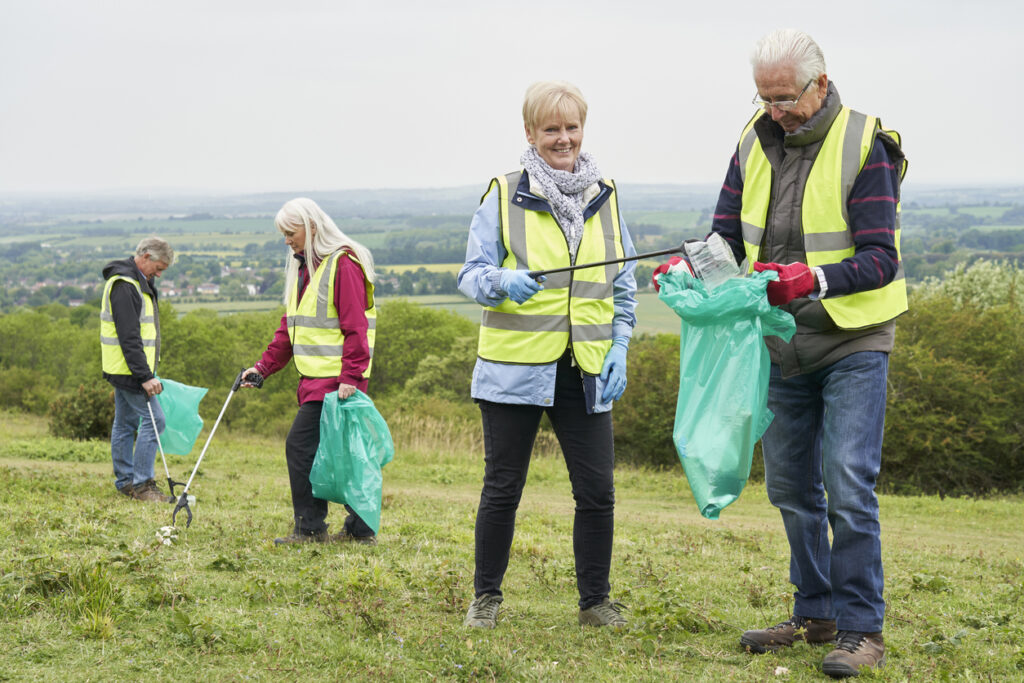
You see rubbish near a bin or on the pavement right in front of you. Most people walk past because it’s not their responsibility, and they didn’t put it there, which is fair enough really, it’s not their mess.
But some people just pick it up anyway because they’d rather the street look decent than stand on principle about whose job it is. It’s not about being better, it’s about caring more about the outcome than about whether you should have to be the one dealing with it.
11. How you respond when someone needs help
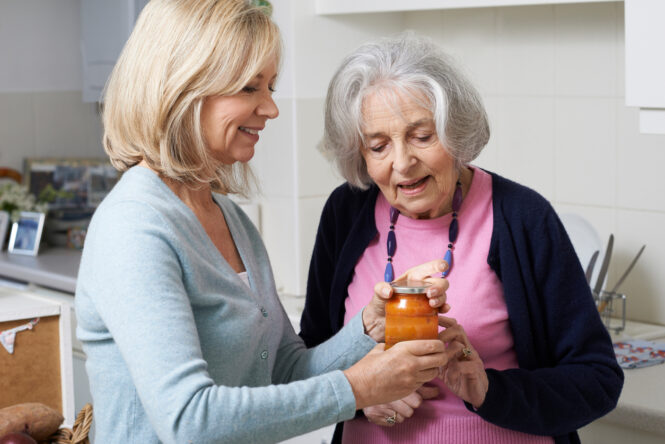
Someone drops something, looks lost, or is struggling with a pushchair on the stairs. You either instinctively offer to help or you keep walking because getting involved feels awkward, or you’re worried about seeming weird for offering at all.
The willingness to briefly inconvenience yourself for a stranger without expecting anything back, that shows character. Not everyone has to be jumping in constantly, but the people who never help unless they know the person are telling you they only extend kindness when there’s something in it.
12. Whether you follow rules that aren’t enforced

Traffic lights when there’s no cars, queuing systems when it’s quiet, speed limits on empty roads. You either follow them because they exist for good reasons, or you ignore them because the actual risk of consequences is basically zero right now.
This reveals whether your moral framework is internal or just about avoiding getting caught. People who only follow rules when someone’s watching don’t actually agree with the rules, they just don’t want the hassle of getting in trouble for breaking them openly.
13. How you treat animals and small children in public

When a kid’s being loud on the bus or a dog’s in your way on the pavement, your immediate reaction before you’ve had time to manage it shows your patience levels. Some people smile or stay neutral, others huff and make it clear they’re annoyed.
These are beings that don’t understand social contracts or your convenience, and how you respond to that innocent disruption reveals your baseline tolerance for things that aren’t about you. Getting visibly annoyed at a toddler for existing loudly says more about you than them.
14. Whether you give people the benefit of the doubt

Someone does something that could be rude or could be accidental. They don’t text back, they’re late, they seem off with you. You either assume the worst about their intentions, or you figure there’s probably a reasonable explanation you don’t know about.
The story you tell yourself about other people’s behaviour when you don’t have all the facts, that’s your character showing. Jumping straight to they’re being disrespectful versus maybe something’s going on with them reveals whether you see people as generally decent or generally out to slight you.