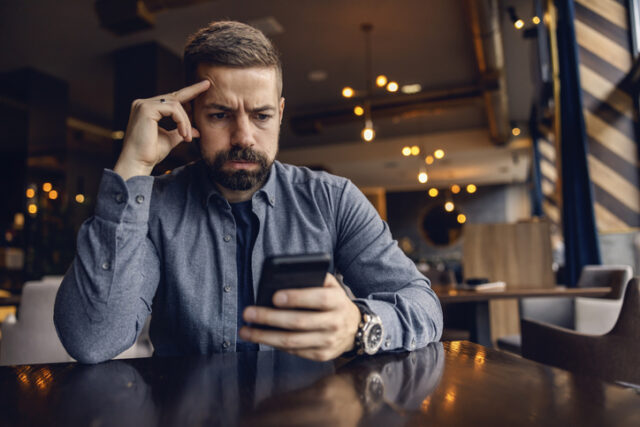
If you’re single and looking, chances are, you’ve taken your chances on a dating app or two.
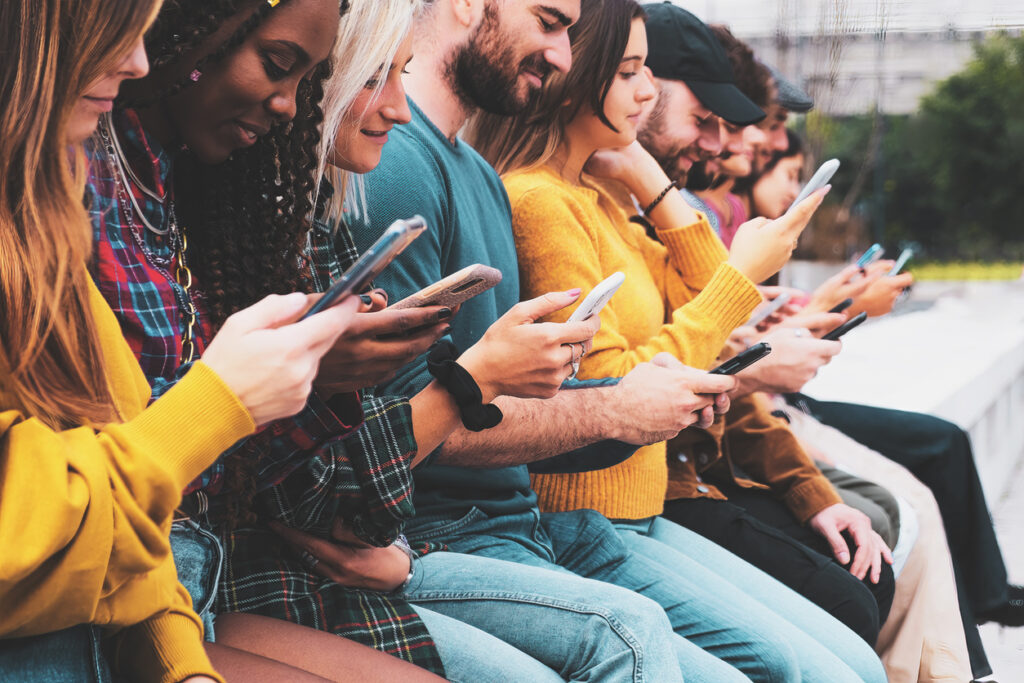
That means you also know how disastrously toxic they can be, and it’s not just in the UK or in the US. A global study published in Personality and Individual Differences looking at dating apps across 50 countries uncovered the same issues again and again. While apps have changed how people meet, the problems they create seem remarkably similar, no matter where you live. These are the most common issues single people on dating apps are facing around the world.
1. Too much focus on looks

Swiping makes appearances the main filter. People across cultures admitted they judged too quickly on photos, often ignoring depth or personality, which left many feeling shallow about the whole process.
Looks matter, but relying on them alone makes dating less fulfilling. Without balance, connections fade fast, leaving users frustrated at the lack of genuine substance behind most matches.
2. Struggles with ghosting
One of the most reported frustrations was ghosting. Across all 50 countries, people described the sting of someone disappearing mid-conversation, with no explanation or closure, leaving them questioning what went wrong.
It’s become normalised, but it chips away at trust. When ghosting is frequent, people hesitate to invest effort, worried conversations will vanish without reason yet again.
3. Fake profiles and scams
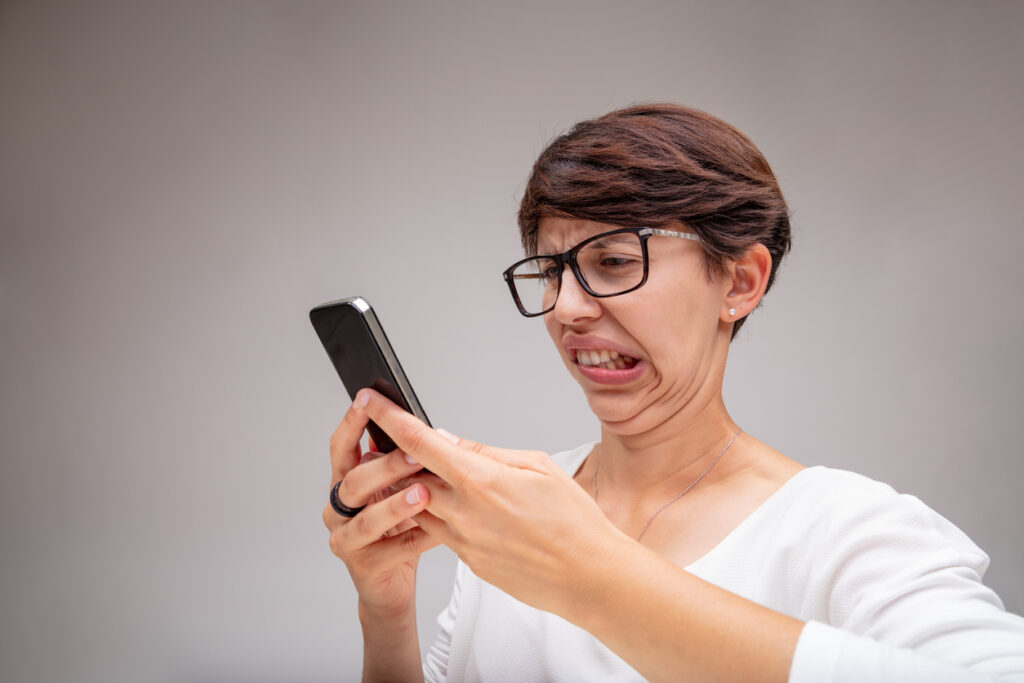
Fraudulent accounts were a recurring problem everywhere. Fake identities or scams lured users into sharing details or money, turning dating apps from a hopeful experience into a risky gamble.
Most apps try to combat it, but users still feel unsafe. The constant worry about who’s real drains excitement, making trust harder to build even when the match seems genuine.
4. Endless choice fatigue

Having countless options sounds exciting, but people across the study reported decision fatigue. With too many profiles, swiping becomes exhausting, and the act of choosing leaves people feeling oddly unsatisfied.
More choice doesn’t always mean better outcomes. Instead, it often leads to shallow engagement, where no one feels special because the next option is just one swipe away.
5. Pressure to be perfect

Users described feeling they had to present an idealised version of themselves. Photos, bios, and interests were carefully curated, but that pressure left people feeling inauthentic and disconnected.
Perfection masks honesty. The more people polish their image, the harder it becomes to relax into real conversations, creating relationships that start on shaky ground rather than truth.
6. Quick burnout rates

Across countries, many said they cycle on and off apps. Initial excitement often turns into burnout as conversations stall or connections disappoint, leaving people drained by the process itself.
This pattern shows how tiring digital dating can be. Instead of excitement, it eventually feels like another chore, which discourages people from trying again even when they still want connection.
7. Struggles with authenticity

Many participants admitted they weren’t always being fully honest themselves. From height exaggerations to filtered photos, the study found authenticity hard to maintain in an environment built on presentation.
When both sides suspect exaggeration, trust collapses early. Without honesty, apps risk becoming games of image control instead of platforms for real connection, fuelling wider dissatisfaction.
8. Overlap with casual hook-ups

While some join looking for long-term love, many use apps for casual encounters. The mismatch in intentions left users across countries feeling confused, frustrated, or misled about what other people actually wanted.
When intentions aren’t clear, disappointment follows. The lack of upfront honesty makes apps unpredictable, where expectations rarely match, leading to wasted time and bruised feelings.
9. Inconsistent communication styles

Across different regions, cultural communication differences also played a role. What felt like keen interest to one person came across as too much or too little effort to another.
Without shared understanding, mixed signals increase. Apps highlight how varied approaches to dating can clash, leaving people unsure if someone’s truly interested or just following a different style.
10. Decline in real-life confidence
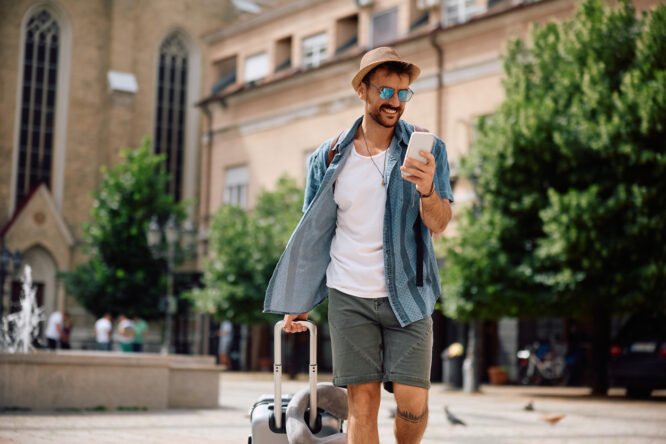
Many users admitted relying so heavily on apps made real-life dating harder. Face-to-face conversations felt daunting after so much digital filtering, creating a gap in social confidence.
Instead of practising connection offline, people retreat to screens, which deepens the cycle. The more confidence dips, the harder it becomes to take chances in real life.
11. Regional safety concerns

The study highlighted safety worries everywhere, though they varied by culture. From harassment to risky meetups, users expressed that fear often overshadowed the excitement of potential connection.
Apps can’t always guarantee protection. Without safety, trust crumbles quickly, and people find themselves hesitant to meet even promising matches, fearing potential dangers behind the profile picture.
12. Lack of long-term results

One consistent theme was frustration with how few app matches turned into lasting relationships. Even when sparks flew early, many connections fizzled out before becoming something steady.
This revolving-door effect leaves people disheartened. Instead of building something real, apps often cycle users through short encounters, reinforcing the sense of impermanence.
13. Dating fatigue is universal
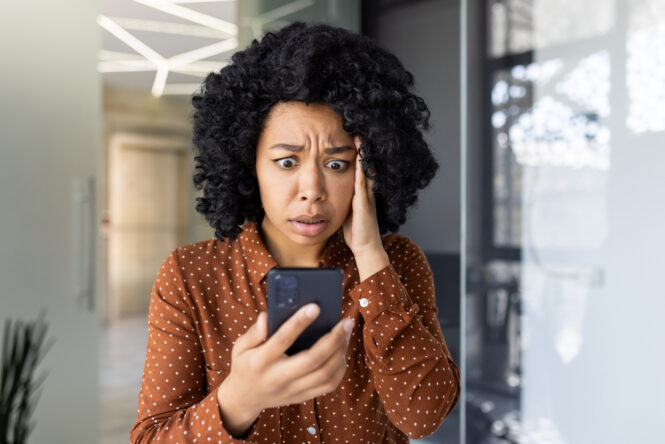
Perhaps the most telling finding was how universal the fatigue is. Regardless of location, users said they felt drained, stuck, or even hopeless after long periods of swiping and chatting.
The problem isn’t cultural, it’s structural. Apps can’t always replicate real connection, and across 50 countries, people found themselves longing for more authenticity and less exhaustion.