If you’ve spent any time online lately, you’ve probably come across talk of the “Gen Z stare,” which is that blank, unbothered look younger people supposedly give instead of smiling or reacting.

Millennials, Gen X, and Boomers call it intimidating, Gen Z call it normal, and the internet’s divided over whether it’s a real thing or just another overblown generational gripe. Some say it’s confidence, others say it’s detachment, but either way, it’s started a debate about how much emotion we’re expected to show in a world that’s constantly watching. So, is the Gen Z stare a genuine cultural change, or are we just reading too much into a straight face?
They’re not softening their gaze.

Gen Z grew up with cameras constantly on them, so direct eye contact doesn’t feel as loaded. They’ll just look at you without the usual social cushioning that older generations learned to add in.
That directness reads as intensity to people who were taught to glance away or smile to soften things. It’s not necessarily judgement, it’s just unfiltered attention, which feels aggressive when you’re used to everyone performing friendliness with their face.
Older generations are reading intent that isn’t there.

A millennial feels that stare and immediately assumes they’re being assessed or mocked. They’re projecting their own anxiety onto what’s often just someone zoning out or thinking about lunch.
Gen Z isn’t judging, most likely; they’re just not performing “I’m not judging you” with their face the way millennials learned to. The absence of reassurance feels like criticism when you’re used to constant social smoothing.
They’re skipping out on the millennial smile.
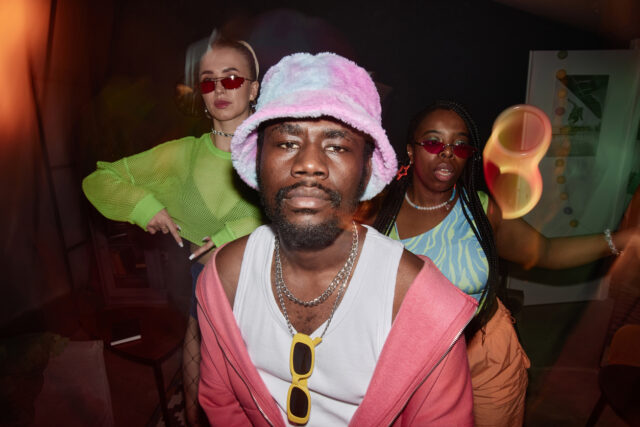
Millennials were trained to smile reflexively when making eye contact with anyone, even strangers. It’s automatic friendliness designed to signal you’re not a threat. Gen Z just doesn’t do that. That missing smile is what makes the stare feel pointed. It’s not that Gen Z is being hostile, they’re just not adding the social lubrication that millennials consider basic manners, so the whole thing feels stark.
They’re fine with silence.

Where millennials fill awkward moments with nervous chatter, Gen Z will just sit in silence and keep looking at you. Their comfort with dead air feels confrontational to people who learned that silence means something’s gone wrong.
The stare isn’t aggressive, it’s just unbothered. They’re not rushing to make you comfortable, and that refusal to manage your feelings reads as judgement, when really they’re just not taking responsibility for the vibe.
Screens trained them differently.

Gen Z learned to communicate through cameras, where you stare directly at a lens without blinking. That transfers to real life as sustained eye contact that feels more intense than what came before.
They’re not trying to intimidate anyone, they’re just applying the same direct engagement they use online. Older generations, and millennials in particular, find it unsettling because it breaks the unspoken rule that you’re meant to look away to be polite.
Millennials are feeling anxious about ageing.

A lot of this panic is actually millennials feeling self-conscious about no longer being the youngest adults in the room. They’re reading judgement into neutral observation because they’re already worried about being seen as old.
The truth is, Gen Z isn’t thinking about millennials nearly as much as millennials think they are. The stare feels loaded because the person being stared at is already anxious about what’s being noticed, not because anything’s actually being communicated.
It’s bluntness without the cushioning.

Gen Z will ask direct questions without wrapping them in three layers of politeness first. They’ll say, “Why did you do it that way?” without the preamble millennials would add, and their face matches that directness.
That lack of buffer makes everything feel more confrontational. They’re not being rude, they’re just not performing the elaborate dance of softening every interaction, which millennials interpret as aggression because they’re used to all that padding.
The phone switch is admittedly jarring.

When Gen Z looks up from their phone to actually give you attention, it feels more deliberate and therefore more intense. They’re going from half-present to fully present, and that sudden focus feels like being put under a microscope.
It’s the contrast that makes it weird. Millennials do sustained medium-level engagement, whereas Gen Z toggles between completely distracted and completely locked in, and the focused version feels disproportionately intense by comparison.
They’re less bothered about being liked.

Millennials were raised to prioritize being likeable and making other people comfortable. Gen Z is more comfortable with people being uncomfortable, so they don’t automatically adjust their face to put you at ease.
Their indifference to your comfort reads as hostility when you’re expecting everyone to care how they’re coming across. The stare isn’t mean, it’s just not concerned with whether you feel good about it.
You can’t tell if they’re serious half the time.

Gen Z communicates in layers of irony where you’re never quite sure if they’re being genuine or taking the piss. The blank stare is part of that ambiguity, leaving you uncertain whether they’re actually looking at you or performing it as a bit.
That uncertainty is what makes millennials uncomfortable. They can’t tell if the stare is real or some meta-joke, so they default to assuming it’s judgement because at least that makes sense.
Their resting face is just different.

Every generation has a different neutral face based on what they grew up seeing. Gen Z’s baseline is just flatter and more direct than what came before, the same way millennials are slightly more animated than Gen X.
What millennials are calling a stare is often just Gen Z’s regular face. They’re not doing anything special, they just look different when they’re not actively performing emotion, and that difference registers as intentional when it’s just how they are.
Everyone’s being a bit ridiculous.
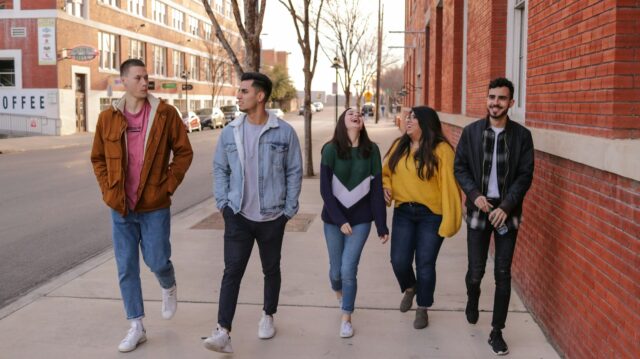
Millennials are overthinking what’s probably just someone looking in their direction, and Gen Z is enjoying the reaction a bit too much now that they know it winds people up. It’s become a performance on both sides.
The truth is probably boring. Some people stare, some don’t, and it’s less about generation than personality. But turning it into a whole thing gives both groups something to bond over, so here we are talking about it.