Imagine waking up after just a few hours of sleep and feeling completely refreshed, with no grogginess, and no caffeine needed. Instead, you’re just ready to go.
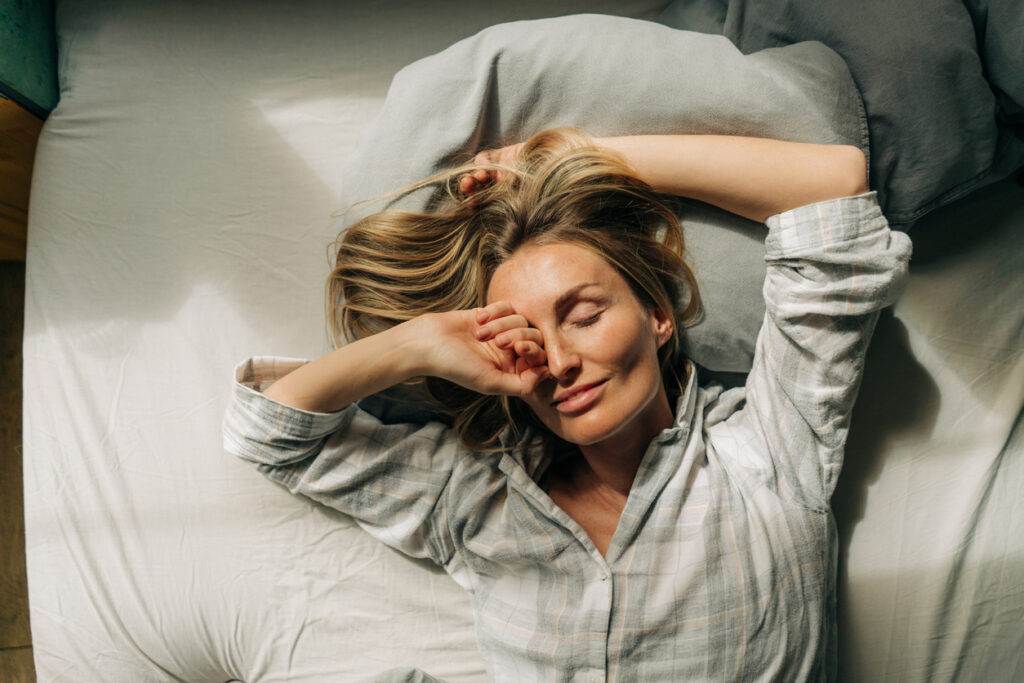
For most people, that sounds impossible, but science says a small number of humans can actually do it naturally. Researchers have discovered a rare gene variant that allows some people to thrive on less sleep without any of the usual side effects. These “short sleepers,” as they’re called, don’t just cope with less rest. In fact, their brains seem wired to make it work.
It’s not about pushing through exhaustion or surviving on adrenaline; it’s genuine biology. The gene affects how the brain regulates sleep cycles, helping these people get high-quality rest in a shorter time. While the rest of us need a solid seven or eight hours to function, they’re up and thriving after four or five. Scientists are still trying to understand exactly how it works, but one thing’s clear: for a lucky few, being a morning person isn’t a choice, it’s genetics.
These people exist, and they’re not just lying about being fine.

Natural short sleepers thrive on just four to six hours of sleep per night, without any of the negative health effects the rest of us would suffer from that little rest. They don’t take naps, don’t catch up on weekends, and genuinely feel worse if they sleep longer than their natural amount.
These aren’t people who’ve trained themselves to wake early or who are powering through on determination, they’re literally born this way. Their bodies are genuinely different from the facultative short sleepers who’ve hacked their schedules through professional drive or life circumstances, but are actually chronically knackered.
2. It’s caused by specific gene mutations that run in families.
Scientists first discovered this in 2009 when they found that people with a particular mutation in a gene called DEC2 averaged only 6.25 hours of sleep per night, while people without it averaged 8.06 hours. Since then, researchers have identified several other genes including ADRB1, NPSR1, GRM1, and most recently SIK3 that all cause natural short sleep when mutated.
These mutations run in families, meaning if your mum or dad carries it, they can pass it on to you. It’s inherited as an autosomal dominant trait, so you only need one copy of the mutated gene from one parent to have the short sleeper characteristic.
Their bodies are just way more efficient at the repair work sleep does.

While we’re sleeping, our bodies are detoxifying themselves and repairing damage, and natural short sleepers can perform all these functions at a higher level than the rest of us can. They experience better sleep quality and sleep efficiency, essentially getting more done in less time.
Short sleepers can apparently perform the janitorial duties that happen during sleep much more efficiently than people who need eight hours. It’s not that they’re skipping the important stuff, they’re just racing through it faster and getting the job done properly in half the time.
They actually have better health outcomes than normal sleepers.
Researchers have found that short sleepers tend to be more optimistic, more energetic, and better multitaskers than people who need normal amounts of sleep. They also have a higher pain threshold, don’t suffer from jet lag, and some researchers believe they may even live longer.
While most people being chronically sleep-deprived face increased risks of cardiovascular disease, cancer, dementia, metabolic problems, and weakened immune systems, natural short sleepers seem to benefit from their biological quirk. They’re not cutting corners, their bodies genuinely work differently and better in some ways.
The mutations affect wake-promoting hormones in their brains.

The DEC2 mutation weakens the gene’s ability to control a hormone called orexin, which is involved in maintaining wakefulness, leading to more orexin production that keeps short sleepers awake longer. Brain cells with the ADRB1 mutation show altered activity and are more easily activated, with increased activity of wake-promoting brain cells.
When researchers created mice with the SIK3 mutation, those mice slept about 31 minutes less each day than normal mice, and even after sleep deprivation they bounced back with less recovery sleep. The mechanisms are complex, but basically these mutations keep people more alert with less downtime needed.
You absolutely cannot train yourself to become one.
Unfortunately for those wondering, the condition is genetic, and you can’t simply train yourself to thrive on reduced sleep. If you don’t have the mutation, forcing yourself to sleep less will just make you chronically sleep-deprived, with all the nasty health consequences that come with it.
Most people are already chronically sleep-deprived, and if you need eight to nine hours but only sleep seven, you’re accumulating sleep debt with well-known long-term health consequences. Trying to copy a short sleeper when you’re not one genetically is a terrible idea that’ll wreck your health.
The trait might actually protect against dementia.
Recent research suggests that having a short sleeper mutation could protect carriers from neurodegenerative diseases, particularly those that cause dementia like Alzheimer’s. Mice genetically engineered to have both short sleep mutations and Alzheimer’s mutations developed fewer tau protein tangles and less amyloid plaque in their brains than mice with just the Alzheimer’s mutations.
Scientists don’t fully understand why yet, but it seems like whatever makes short sleepers’ brains more efficient at processing during sleep might also protect them from the protein buildup that causes dementia. That’s a massive potential benefit beyond just having more waking hours.
It’s incredibly rare, so you’re probably not one of them.

The DEC2 mutation is rare, so while it helped explain some natural short sleepers, it couldn’t account for all of them. Even with multiple genes now identified, true natural short sleepers make up a tiny fraction of the population.
In the US, natural short sleepers are a small part of a larger group comprising 30 to 35 percent of the population who sleep less than recommended. Most of those people are just chronically tired, not genetically gifted, and they’re paying the price for insufficient sleep even if they’ve convinced themselves they’re fine.
There are specific traits that separate them from people who just don’t sleep enough.
Natural short sleepers rarely if ever take naps, and they don’t catch up on sleep over the weekend because the hours they log at night are genuinely sufficient to keep them alert all day. If you’re someone who needs naps or crashes at weekends, you’re not a natural short sleeper, you’re just not getting enough sleep during the week.
This trait is lifelong, meaning natural short sleepers have slept for a shorter time than average for most if not all of their lives. It’s not something that develops or changes, it’s been their pattern since they were young because it’s hardwired into their DNA.
The mutations affect different parts of the sleep regulation system.
Single mutations to genes like DEC2, ADRB1, NPSR1 and others are all tied to natural short sleep, but they work through different mechanisms. DEC2 helps regulate circadian rhythms and controls levels of orexin by acting as a time-keeper to make sure orexin levels match your body’s natural clock.
In one fascinating study of fraternal twins, one twin had a DEC2 mutation while the other didn’t, and the twin with the mutation slept over an hour less per night while showing minimal behavioural and metabolic problems from sleep loss. Same family, same upbringing, completely different sleep needs because of one genetic difference.
Being a short sleeper has no known health downsides.
This condition has no known health complications associated with it and is not considered a genetic disorder, it’s just a benign genetic trait. Unlike sleep disorders or chronic sleep deprivation, which wreck your health, natural short sleepers genuinely suffer no ill effects from their reduced sleep time.
There’s even evidence that natural short sleepers might be genetically protected against neurodegenerative disorders. So not only are they not harmed by sleeping less, they might actually be better protected against certain diseases than people who need normal amounts of sleep.
Most people claiming to be short sleepers are just chronically knackered.
Just because someone functions on five hours doesn’t make them a natural short sleeper, it makes them someone who’s adapted to being perpetually tired. The difference is that actual short sleepers feel genuinely rested and don’t experience any negative effects whatsoever.
If you’re drinking multiple coffees to get through the day, struggling to focus, feeling irritable, or crashing at weekends, you’re not a genetic marvel, you’re just not getting enough sleep. Real short sleepers wake up naturally after four to six hours feeling completely refreshed and stay that way all day without chemical assistance.